HVAC Maintenance Company in Dubai, UAE: A Commercial Building Perspective
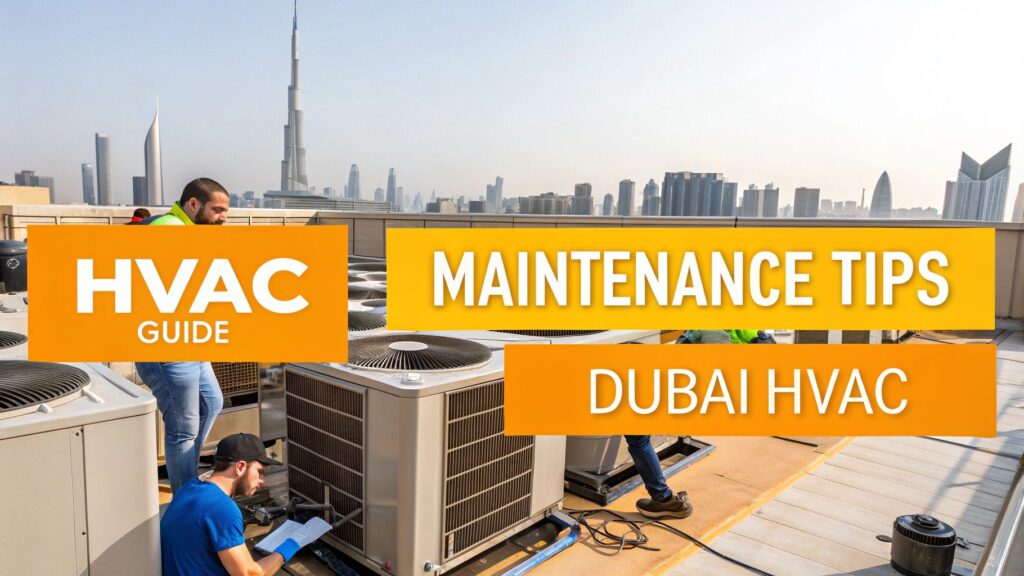
Executive Summary For facility managers, asset owners, and procurement teams in Dubai, selecting an HVAC maintenance company is a critical operational decision impacting OPEX, asset lifecycle, and business continuity. This guide provides a technical framework for evaluating HVAC maintenance strategies, focusing on the specific environmental and regulatory demands of the UAE. It compares preventive vs. reactive models, outlines key deliverables for a commercial HVAC provider, and quantifies the financial impact of structured maintenance. The objective is to equip decision-makers with the operational reasoning and risk-based analysis needed to optimize HVAC performance, ensure compliance, and protect long-term asset value in Dubai's challenging commercial property market. The Role of HVAC Systems in Commercial & Institutional Buildings In Dubai's competitive commercial real estate sector, HVAC systems are not merely utilities for comfort; they are core operational assets directly influencing financial performance and tenant retention. An engineering-led perspective treats HVAC not as an expense item but as a critical system with measurable impacts on several key business metrics. Energy Consumption: HVAC systems are a primary driver of operational expenditure (OPEX). In UAE conditions, they can represent 35–50% of a commercial building's total energy consumption. Inefficient or poorly maintained systems directly inflate DEWA utility costs, eroding net operating income. Indoor Air Quality (IAQ): The system's function extends beyond temperature control to air filtration and ventilation. Inadequate maintenance can lead to the circulation of contaminants, affecting occupant health and productivity, and potentially violating Dubai Municipality regulations. Tenant Satisfaction: Consistent thermal comfort and reliable cooling are non-negotiable expectations for commercial tenants. Frequent breakdowns, hot spots, or poor air quality are leading drivers of complaints and can negatively impact lease renewals. Business Continuity Impact: For mission-critical facilities like data centres, hospitals, or high-value retail, an HVAC system failure is not an inconvenience but a significant operational event. Such failures can halt operations, result in data or inventory loss, and cause substantial financial and reputational damage. Effective HVAC management is, therefore, a strategic component of asset management, directly linked to OPEX control, risk mitigation, and the overall commercial viability of the property. Why HVAC Systems Fail Frequently in Dubai Commercial HVAC systems in Dubai operate under some of the most demanding environmental conditions globally. Failures are rarely random events; they are typically the cumulative result of intense, predictable stressors. Understanding these failure modes is fundamental to developing an effective preventive planning strategy. Extreme Heat Load Stress: With ambient summer temperatures frequently exceeding 45–50°C, HVAC systems run at near-maximum capacity for extended periods. This sustained high-load operation places immense strain on critical components, particularly compressors, leading to accelerated wear, lubricant degradation, and premature mechanical failure. Coil Contamination from Sand/Dust: Airborne particulate matter, primarily sand and dust, is a primary cause of inefficiency and failure. This dust loading clogs condenser coils, severely impeding the system's ability to reject heat. This forces the compressor to work harder, increasing energy consumption and raising system pressures to dangerous levels, which can lead to catastrophic failure. Condensate Drain Blockages: High humidity cycles produce significant volumes of condensate. If drain lines are not regularly flushed, they become blocked by biological growth and accumulated sludge. This often results in water overflow, causing significant interior water damage, ceiling collapse, and costly rectification works. Deferred Maintenance Culture: A common operational gap in the UAE market is the deferral of scheduled maintenance to reduce short-term costs. This approach allows minor issues—like failing capacitors or low refrigerant levels—to cascade into major system breakdowns, resulting in higher lifecycle costs. Compressor Strain: The combination of high heat load, contaminated coils, and potential refrigerant imbalances places continuous strain on compressors. This is the single most common cause of high-cost, high-disruption failures in the region. Oversized/Undersized System Issues: Incorrectly specified systems from the design phase can lead to chronic operational problems. Oversized units cycle too frequently, failing to dehumidify the air properly, while undersized units run constantly without achieving setpoints, leading to premature burnout. Preventive HVAC Maintenance vs Breakdown Repairs The decision between a planned preventive maintenance strategy and a reactive, breakdown-driven model is a choice between managed risk and unmanaged liability. This choice fundamentally dictates OPEX predictability, asset lifecycle costs, and operational stability. Reactive repairs—addressing failures as they occur—may appear to offer lower upfront costs but introduce significant financial and operational volatility. This approach exposes the asset to emergency call-out premiums, unplanned downtime, and accelerated equipment degradation. A structured preventive maintenance program, executed by a qualified HVAC maintenance company in Dubai, UAE, is a risk mitigation strategy designed to identify and rectify faults before they escalate into system failures. Comparison Table: Preventive Maintenance vs Reactive Repairs This framework contrasts the operational and financial outcomes of a structured preventive maintenance contract against a reactive, breakdown-only service approach for a commercial facility in Dubai. Metric Preventive Maintenance Model (AMC) Reactive Repair Model (Breakdown Only) Total Cost of Ownership (TCO) Lower. Achieved through reduced major repairs, optimized energy use, and extended asset lifespan. Higher. Driven by premium emergency labour rates, accelerated component failure, and premature capital replacement. Budget Predictability (OPEX) High. Fixed contract costs allow for accurate operational budgeting and financial forecasting. Low. Costs are unpredictable and volatile, leading to significant budget variances and unplanned expenditures. Energy Efficiency (DEWA Costs) Optimized. Regular coil cleaning, refrigerant calibration, and component checks ensure operation at peak efficiency. Poor. Degraded performance from dust loading and system imbalances leads to sustained higher energy consumption. Asset Lifecycle Extended. Proactive care mitigates operational stress, potentially extending equipment life by 20-30%. Shortened. Repeated stress cycles and catastrophic failures drastically reduce the functional lifespan of the equipment. Tenant Complaint Risk Low. High system reliability and consistent performance lead to improved tenant satisfaction and retention. High. Frequent system failures are a primary source of tenant complaints, negatively impacting building reputation. Business Disruption Minimal. Maintenance is scheduled during off-peak hours to avoid impacting core business operations. Significant. Unplanned failures often occur during peak hours, causing maximum disruption to tenants and operations. The analysis clearly indicates that a preventive maintenance model delivers superior financial and operational outcomes, transforming