SnapFixNow

Latest News and Updates on Emergency Preparedness

Stay updated with latest emergency preparedness news, tips, and strategies for safety and readiness.
Snapfix Blog Cover
Best MEP & HVAC AMC Packages in Dubai for Buildings & Facilities (2026)

Best MEP & HVAC AMC Packages in Dubai for Buildings & Facilities (2026)

Dubai’s vibrant and fast-paced environment means your home or commercial property needs consistent care to stay in top condition. Whether you own a luxurious villa, a modern apartment, or manage a large facility, reliable maintenance is crucial. It ensures comfort, safety, and preserves your investment’s value.  But with so many providers, how do you know which services are most essential and which companies truly deliver? This comprehensive guide reveals the top 10 most searched home maintenance services in Dubai for 2026. We will cover average prices, what to look for in ratings, and a straightforward booking guide to help you make informed decisions.  Navigating Home Maintenance in Dubai’s Dynamic Landscape (2026 Outlook) The demand for quality property upkeep in Dubai continues to grow. As new buildings emerge and smart home technologies become standard, the needs of residents and property managers evolve. Everyone seeks not just quick fixes, but lasting solutions and peace of mind.  This guide is crafted for homeowners, facility managers, and procurement professionals alike. It aims to simplify the process of finding trustworthy providers. You will gain insights into transparent pricing, service quality, and efficient booking methods for your diverse needs.  What Dubai Residents and Managers Look For in Property Upkeep  Today’s property owners and managers in Dubai look beyond basic repairs. They seek value, reliability, and proactive solutions to prevent issues before they arise. There is a clear trend towards comprehensive service packages, such as annual maintenance contracts.  Transparency in pricing and clear definitions of service scopes are also increasingly important. People want to understand exactly what they are paying for without hidden fees. This focus on clarity and efficiency shapes the modern home maintenance landscape.  The Top 10 Most Searched Home Maintenance Services in Dubai (2026)  Based on market demand and emerging trends, certain services consistently top the list for property owners in Dubai. Here is a breakdown of the most sought-after maintenance solutions you should consider for your home or business.  1. AC Repair & Maintenance  In Dubai’s climate, a well-functioning air conditioning system is not a luxury, but a necessity. Regular AC maintenance ensures peak performance, energy efficiency, and prevents costly breakdowns during peak summer months.  Common issues include refrigerant leaks, blocked filters, and compressor failures. Preventative maintenance, such as deep cleaning and regular servicing, can significantly extend your unit’s lifespan. Look for providers offering emergency call-out services. Estimated Price Range: A standard AC cleaning and service for a split unit might range from AED 150 – 300. Diagnostic checks could be around AED 100 – 200, with gas top-ups or repairs incurring higher costs depending on parts.  Key Rating Factors: Prompt response time, technical expertise of staff, and clear warranty on work performed are vital for AC services.  2. Plumbing Services  Plumbing issues, from dripping faucets to burst pipes, can cause significant damage if not addressed quickly. Reliable plumbing services are essential for every property in Dubai.  Common services include fixing leaks, clearing drain blockages, repairing water heaters, and installing new fixtures. Both emergency services and routine checks are important. Regular inspections can identify potential problems before they become emergencies.  Estimated Price Range: Fixing a minor leak can cost AED 150 – 350. Clearing a simple drain blockage might be AED 200 – 450, while more complex issues or full installations will be higher.  Key Rating Factors: Speed of service, providing lasting solutions, and thorough clean-up after the job are crucial for positive reviews.  3. Electrical Repairs & Installations  Electrical safety and functionality are paramount. Faulty wiring or flickering lights can be more than an inconvenience; they can pose serious safety hazards. Only certified electricians should handle these tasks.  Services include fault finding, wiring repairs, light fixture installations, and addressing power trip issues. Ensure your chosen provider adheres to all safety standards. Regular checks can prevent unforeseen electrical problems.  Estimated Price Range: Minor electrical repairs, like replacing a switch or socket, might be AED 100 – 250. More complex fault finding and repairs could range from AED 250 – 600 or more, depending on the issue.  Key Rating Factors: A strong focus on safety, accurate diagnostic abilities, and clear communication are highly valued by customers.  4. Handyman Services For those countless small jobs around the house or office, a versatile handyman is invaluable. These services cover a wide array of minor repairs, installations, and odd jobs that don’t require a specialist tradesperson.  From hanging pictures and assembling furniture to minor carpentry and drywall repairs, a good handyman can save you time and effort. Look for professionals who are skilled across various tasks. They offer a convenient, multi-skilled solution.  Estimated Price Range: Handyman services are often charged hourly, ranging from AED 80 – 150 per hour, or with half-day/full-day rates around AED 300 – 600. Some small fixed-price jobs might also be available.  Key Rating Factors: A broad skill range, professionalism, and punctuality are key indicators of a great handyman service.  5. Painting Services  A fresh coat of paint can dramatically transform a space, making it feel new and clean. Painting services are popular for both aesthetic upgrades and property maintenance.  These services include interior and exterior painting, touch-ups, and full repaints for homes and offices. The quality of finish and the choice of durable materials are important considerations. Professional painters ensure a smooth and even application.  Estimated Price Range: Painting a single room might cost AED 500 – 1500, while a larger apartment or villa can range from AED 2,500 to AED 10,000+, depending on size, paint quality, and surface preparation.  Key Rating Factors: High-quality workmanship, timely project completion, and clean-up are often highlighted in positive feedback.  6. Deep Cleaning & Sanitization  Beyond regular tidying, deep cleaning and sanitization services are crucial for maintaining hygiene and a healthy living or working environment. This is especially important for move in/out or post-construction scenarios.  Services include thorough cleaning of all surfaces, specialized disinfection, and addressing hidden grime. Many also offer eco-friendly options. This comprehensive cleaning ensures a truly fresh start or refresh for any

February 4, 2026
A Guide to Selecting an MEP Contractor in Dubai for B2B Stakeholders

A Guide to Selecting an MEP Contractor in Dubai for B2B Stakeholders

Selecting the right MEP contractor in Dubai is a critical capital decision that directly impacts asset performance, operational expenditure (OPEX), and tenant satisfaction. The process extends beyond soliciting quotations; it requires a structured evaluation of technical capabilities, verifiable experience, and stringent adherence to local regulatory frameworks. The objective is to secure a partner capable of navigating Dubai's unique climatic challenges and complex building codes. Evaluating an MEP Contractor’s True Capabilities Choosing an MEP contractor in Dubai requires an evaluation that looks far beyond the initial price proposal. A low bid can mask significant operational risks, from unqualified technicians to non-compliance with essential regulations. The goal is to identify a technically competent, operationally robust partner who will protect and enhance the asset's lifecycle value. The initial filter is project history. A contractor's documented track record with properties of a similar type, scale, and complexity is a primary indicator of suitability. The operational demands of a high-end hotel, for instance, are fundamentally different from those of a large-scale industrial facility. Verifying Essential Certifications and Expertise Following a portfolio review, the next step is verifying mandatory certifications. In Dubai's regulated environment, specific authority approvals are non-negotiable. DEWA (Dubai Electricity and Water Authority): Mandatory for all electrical works, ensuring installations and modifications comply with Dubai’s stringent safety and efficiency standards. Dubai Civil Defence (DCD): Critical for all fire safety and life support systems, including fire alarms, sprinkler systems, and emergency lighting. Dubai Municipality (DM): Required for plumbing, drainage, and other building modifications to ensure compliance with public health and construction codes. A contractor's inability to produce current certificates for these authorities is a critical red flag, indicating they cannot operate legally or safely within the emirate. This decision tree outlines a structured vetting process, beginning with project similarity, then proceeding to essential certifications and team structure. As the flowchart demonstrates, verifying a contractor’s documented experience and official approvals forms the foundation of any credible evaluation. To add a layer of quantitative analysis, a scorecard can formalise the evaluation, ensuring a consistent comparison across potential service providers based on criteria relevant to the Dubai market. MEP Contractor Technical Evaluation Scorecard Evaluation Criteria Key Performance Indicator (KPI) Assessment Method Importance Weighting (1-5) Similar Project Experience Number of completed projects in similar-sized residential/commercial buildings in the last 3 years. Review of project portfolio and client references. 5 DEWA Certification Valid and current DEWA approval for electrical works. Official certificate verification. 5 DCD Certification Valid and current Dubai Civil Defence approval for fire and safety systems. Official certificate verification. 5 Dubai Municipality Approval Valid and current DM approval for plumbing and drainage works. Official certificate verification. 4 In-House Technical Team Percentage of core MEP services (AC, electrical, plumbing) delivered by direct employees vs. subcontractors. HR records review, interview with operations head. A ratio above 80% is considered strong. 4 Emergency Response Protocol Documented SLA with guaranteed response times (e.g., <2 hours for critical failures). Review of standard contract and SLA templates. 5 Technical Staff Certifications Number of certified technicians (e.g., HVAC, electrical) on staff. Verification of individual training certificates. 3 Health & Safety Record Documented safety policies and incident report history (last 2 years). Look for a low Lost Time Injury Frequency Rate (LTIFR). Review of HSE manual and records. 4 Using a structured tool like this moves the decision from subjective assessment to a data-driven choice, ensuring the selected contractor is equipped for the specific demands of the asset. In-House Technicians vs. Subcontracted Labour A critical operational differentiator is the contractor's staffing model. While specialist tasks may warrant subcontracting, a heavy reliance on third-party labour for core MEP disciplines can introduce inconsistencies in quality, communication gaps, and diluted accountability. A contractor with a robust, certified in-house technical team provides superior control over workmanship, scheduling, and emergency response. This structure is a cornerstone of effective facility management in the UAE, promoting consistent service delivery aligned with asset management objectives. Dubai's climate, with ambient temperatures reaching 50°C, places extreme demands on HVAC systems. Similarly, DCD's fire safety standards are uncompromising. An in-house team, trained to consistent standards, is better positioned to manage these challenges. By carefully vetting these foundational capabilities, decision-makers can develop a shortlist of partners equipped for the unique operational environment of Dubai. Breaking Down MEP Contracts and Pricing Models Selecting an MEP contractor in Dubai involves a detailed analysis of service agreements, as the chosen contract model directly influences operational expenditure (OPEX), risk allocation, and asset lifecycle management. The fundamental choice is between proactive and reactive maintenance strategies. In the Dubai market, this translates to two primary models: a comprehensive Annual Maintenance Contract (AMC) or a reactive, pay-per-incident call-out service. Each model has distinct financial and risk implications. Comprehensive AMCs vs. Reactive Call-Out Models A comprehensive AMC is a strategic tool for budget predictability and long-term asset preservation. It involves a fixed annual fee—typically paid monthly or quarterly—that covers scheduled preventive maintenance (PPM), labour for most repairs, and often a predefined scope of consumables and spare parts. The objective is to mitigate the risk of catastrophic failure and minimise operational downtime. Conversely, a reactive call-out model operates on a "pay-as-you-go" basis. Expenditure occurs only when a failure is reported. While this may appear cost-effective for non-critical assets, it typically results in higher total lifecycle costs due to the absence of preventive care and the premium rates associated with emergency call-outs. Consider a 30-storey commercial tower in Downtown Dubai. A critical HVAC chiller failure in August under a reactive model could incur emergency repair costs exceeding AED 20,000-50,000, excluding the significant intangible costs of tenant disruption. A comprehensive AMC would have included regular chiller servicing, drastically reducing the probability of such an event. Comparing Contract Structures The following table contrasts the two models, providing a framework for procurement and facility managers to assess which structure aligns with their asset strategy. Feature Comprehensive AMC Reactive Call-Out Model Cost Structure Fixed annual fee (predictable OPEX) Variable (per-incident billing, unpredictable OPEX) Risk Allocation Contractor assumes a higher degree of

February 3, 2026
Outsourced Engineering Team for Buildings in Dubai

Outsourced Engineering Team for Buildings in Dubai

For property owners and asset managers in Dubai, ensuring peak operational performance of a building's technical systems is a non-negotiable priority. An outsourced engineering team in Dubai offers a strategic framework for managing these critical assets, moving beyond reactive fixes to a model of proactive oversight, guaranteed uptime, and rigorous compliance management, all within a predictable cost structure. What Is an Outsourced Engineering Team? An outsourced engineering team is a comprehensive service model where a property owner engages a specialist firm to assume full responsibility for the building's entire technical operations. This is fundamentally different from a standard Annual Maintenance Contracts (AMCs) or hiring one-off contractors. Difference from a Contractor: A contractor is typically engaged for a specific, reactive task—fixing a broken pump or repairing a faulty electrical panel. Their involvement is transactional and ends when the job is complete. Difference from an AMC: An AMC is proactive but limited in scope. It covers scheduled preventive maintenance for predefined assets (e.g., HVAC system, elevators) but does not typically include comprehensive engineering oversight, 24/7 emergency response labour, or management of regulatory compliance. The Outsourcing Model: An outsourced team acts as a fully integrated technical department. The provider manages all planned maintenance, handles all emergency repairs, oversees compliance with bodies like Dubai Civil Defence (DCD) and DEWA, and provides data-driven performance reporting. It is a strategic partnership focused on asset lifecycle management and operational resilience. This model transforms technical maintenance from a variable, often chaotic cost centre into a predictable operational expenditure (OPEX) with clearly defined performance metrics and a single point of accountability. Who Needs Engineering Team Outsourcing? The decision to outsource is driven by the need for operational certainty, cost predictability, and specialised expertise. Certain property types in the UAE derive disproportionate value from this model due to the high cost of downtime and stringent regulatory demands. Hotels & Hospitality For any Hotel & Hospitality asset, the guest experience is paramount. An HVAC failure in a guest room during Dubai's summer, a plumbing issue in a suite, or elevator downtime can directly impact revenue and brand reputation. An outsourced team provides 24/7, SLA-backed engineering support to ensure operational continuity. This model guarantees manpower availability, eliminating risks associated with in-house staff leave or sickness, and ensures problems are resolved before they impact guests. The focus is on maximising asset uptime and operational resilience. Office Towers In Grade A Commercial buildings, tenant retention is a key financial driver. Corporate tenants expect flawless building performance, including consistent cooling, reliable power, and efficient vertical transportation. An outsourced team implements a robust preventive maintenance regime that minimises disruptions, a critical factor in tenant satisfaction. Furthermore, their expertise in energy management can reduce common area maintenance (CAM) charges, enhancing the building's attractiveness. They also manage all compliance with authorities like DCD, shielding the owner from liability. Residential Communities Managing a large-scale Residential Community involves overseeing a diverse and extensive portfolio of assets, from individual apartment AC units to common area facilities like pools and pumps. An outsourced partner introduces structured processes and skilled manpower to manage this complexity at scale. They can deploy a centralised system for logging and tracking resident maintenance requests, ensuring SLA-bound response times and maintaining high levels of occupant satisfaction, which is crucial for protecting property values. Retail & Mixed Use High-footfall environments like Retail & Mixed-Use centres place immense strain on MEP systems. HVAC, lighting, and sanitation infrastructure must operate flawlessly to ensure a safe and comfortable shopper experience. Any downtime translates directly into lost revenue for tenants and reputational damage for the mall owner. An outsourced provider can schedule major preventive maintenance during off-peak hours (e.g., overnight) to ensure systems are maintained without disrupting retail operations. Full Scope of an Outsourced Engineering Team (A-Z Services) A comprehensive engineering outsourcing agreement provides a single point of responsibility for the entire technical ecosystem of a building. The scope is intentionally broad to eliminate the need for multiple, disconnected vendors. Mechanical This covers the core systems responsible for occupant comfort and safety, particularly critical in Dubai's climate. HVAC: Complete management of chillers, air handling units (AHUs), fan coil units (FCUs), and ventilation systems through predictive and preventive maintenance schedules to prevent failures during peak summer months. Pumps: Maintenance of domestic, booster, and sump pumps to ensure consistent water pressure and effective drainage. Electrical Management of the building’s electrical infrastructure to ensure safety, reliability, and compliance with DEWA standards. Distribution Boards (DBs): Regular inspections, thermal imaging, and load balancing of MDBs, SMDBs, and final DBs. Lighting: Management of all internal, external, and emergency lighting systems, including energy-efficiency retrofitting projects. Testing: Periodic testing of electrical systems as per local regulations. Plumbing Oversight of all water supply and drainage systems to prevent leaks, blockages, and contamination. Water Systems: Maintenance of water supply networks, tanks, and sanitation fixtures to meet Dubai Municipality hygiene standards. Drainage: Proactive maintenance of drainage and sewage systems to prevent blockages and backups. Civil & Structural Management of minor civil and structural maintenance tasks that are essential for the building's upkeep and appearance. This includes minor repairs to tiling, painting, masonry, and periodic visual façade checks, consolidating these tasks under a single contract to streamline operations. Compliance A critical function that separates a strategic partner from a mere contractor. Authority Coordination: Proactive management and coordination with Dubai authorities, including Dubai Civil Defence (DCD) for fire and life safety systems, DEWA for utility compliance, and Dubai Municipality for health and safety regulations. Energy & Reporting Providing data-driven insights for strategic asset management. KPI Dashboards: Client-accessible dashboards tracking key metrics like Mean Time To Repair (MTTR) and Mean Time Between Failures (MTBF) for critical assets. SLA Tracking: Transparent reporting on adherence to contractually agreed response and resolution times. Energy Monitoring: Analysis of utility consumption data to identify and implement cost-saving opportunities. Outsourced Team vs In-House Engineering (Comparison Table) For property owners in Dubai, the decision between building an in-house team and engaging a specialist provider is a strategic one. This comparison framework outlines the

February 2, 2026
7 Common Mistakes That Reduce Insurance Payouts for UAE Property Assets

7 Common Mistakes That Reduce Insurance Payouts for UAE Property Assets

In the UAE's sophisticated property market, asset owners and facility managers face constant pressure to protect property value and control operational expenditure. While property insurance is a critical financial safeguard, its effectiveness hinges on meticulous documentation, proactive maintenance, and strategic claim management. A seemingly minor oversight in record-keeping or compliance can lead to significant claim reductions or even outright denials, directly impacting profitability and asset lifecycle costs. Many decision-makers discover too late that the strength of an insurance claim is determined by the quality of operational data captured long before an incident occurs. This guide addresses the seven most common mistakes property owners make that reduce insurance payouts, offering a structured framework specifically for B2B decision-makers across the UAE's commercial, residential, hospitality, and industrial sectors. We will move beyond generic advice to explore the quantifiable impact of proper documentation, regulatory compliance, and vendor coordination on claim outcomes. Having detailed records is essential, but their value is lost if they are disorganised. Adopting a clear Standard Operating Procedure format ensures your evidence is accessible and understandable to loss adjusters when it matters most. The following analysis provides actionable frameworks to help you secure the full value your policy promises, turning robust facility management practices into a powerful tool for financial protection. Each point will detail the mistake, explain its financial and contractual implications with UAE-specific benchmarks, and provide specific prevention steps. By understanding these pitfalls, you can build a more resilient asset management strategy, ensuring you are prepared to substantiate claims fully and effectively, safeguarding your investments against unforeseen events. 1. Inadequate Documentation and Photo Evidence of Property Condition One of the most frequent and costly errors is failing to maintain a comprehensive visual and written record of an asset's condition. This oversight becomes a major liability when a loss event occurs, such as a fire, flood, or significant equipment failure. Without a clear "before" state documented, proving the "after" damage to an insurer becomes a subjective argument, often leading to claim disputes, delays, and substantial reductions in payouts. Insurance loss adjusters operate on evidence. Their primary role is to validate the extent of the damage claimed against the policy by distinguishing pre-existing wear and tear from acute, incident-related damage. A lack of baseline documentation creates ambiguity, forcing adjusters to make conservative assumptions that almost always favour the insurer. This is a classic example of a common mistake property owners make that can significantly reduce insurance payouts, with potential claim reductions ranging from 20% to over 50% depending on the quality of evidence. Why It Hurts Your Claim The absence of proof directly undermines a claim's credibility. For instance, a commercial tower in Dubai experienced a major pipe burst in its mechanical room. Without baseline photos or recent maintenance logs, the owner could not prove the system was well-maintained prior to the failure. The insurer argued negligence and pre-existing corrosion, reducing the payout for equipment replacement and business interruption by an estimated 40%. Conversely, a residential community in the UAE that experienced flash flooding recovered a claim settlement that was demonstrably higher than a neighbouring property with similar damage. The key difference was their facility management platform, which contained a complete, timestamped photo library of all common areas and drainage systems, clearly demonstrating their pre-flood condition. How to Build an Evidence-Based System Proactive documentation is your best defence. It transforms a subjective argument into an objective, fact-based discussion with your insurer. Implement a Photo Protocol: Mandate quarterly photo documentation of all critical areas: mechanical, electrical, and plumbing (MEP) rooms, rooftops, facades, common areas, and high-value equipment. Leverage Technology: Use mobile platforms like SnapFixNow to capture geo-tagged and timestamped photos. This creates an irrefutable evidence chain that cannot be easily disputed. To understand what documentation is most compelling, you can learn more about the evidence insurance loss adjusters look for during site inspections. Create a Digital Asset Registry: Maintain a detailed inventory of all major equipment. This registry should include: Make, model, and serial number. Purchase date and installation records. Original cost and estimated replacement value. A complete maintenance and repair history. Act Immediately Post-Incident: Photograph all damage within 24 hours of discovery. Capture wide-angle shots to establish context and detailed close-ups to show the specific damage. Centralise and Secure Data: Store all documentation, photos, and records in a secure, cloud-based system with backups. Ensure your insurance broker and key management personnel have access. 2. Neglecting Preventive Maintenance Records and Compliance Documentation A major oversight that frequently leads to denied or reduced claims is the failure to maintain and produce verifiable records of preventive maintenance. Insurers view a property not just as a static asset but as a complex system requiring diligent upkeep. When a critical system fails—like HVAC, electrical, or fire safety—adjusters immediately look for proof of negligence. A lack of documented, scheduled maintenance provides them with a powerful argument that the loss resulted from the owner's poor stewardship, not a sudden, covered event. Insurance policies are contracts of good faith, but they are built on the principle of managing unforeseeable risks, not predictable failures. An adjuster's investigation will focus on whether the property owner fulfilled their duty of care. Without a clear paper trail of regular servicing, inspections, and compliance with manufacturer guidelines, insurers can successfully argue that the damage was a preventable outcome of wear and tear or neglect, which are typically policy exclusions. This is a critical common mistake property owners make that can significantly reduce insurance payouts. Why It Hurts Your Claim Neglecting maintenance documentation hands insurers a valid reason to attribute the loss to your actions, or lack thereof. For instance, a Dubai office building saw its initial claim payout offer for a major electrical fire reduced from a potential 95% down to just 40% of the claimed amount. The insurer cited the absence of certified annual electrical inspection records as evidence of negligence, shifting the blame to the owner. Only after the owner located and produced detailed Annual Maintenance Contract (AMC) records proving quarterly

February 1, 2026
Insurance Claim Support vs. Contractor Quotes: A Guide for UAE Asset & Facility Managers

Insurance Claim Support vs. Contractor Quotes: A Guide for UAE Asset & Facility Managers

When property damage disrupts operations, the initial decisions made by facility managers, asset owners, or procurement teams can significantly impact financial recovery. Two critical but often confused concepts are "insurance claim support" and a "contractor quote." While both relate to asset restoration, they serve fundamentally different objectives within a UAE commercial context. Insurance claim support is a strategic financial recovery service. Its primary function is to compile a comprehensive, evidence-based dossier to substantiate a claim and maximize the financial settlement from an insurer. This involves root cause analysis, technical reporting, and adherence to policy requirements. A contractor quote is a tactical operational document. Its scope is limited to the direct costs of labour and materials required to execute a specific repair. The goal is to restore asset functionality as quickly and efficiently as possible. Defining The Core Difference For UAE Property Managers For decision-makers managing commercial, hospitality, retail, or industrial assets across the UAE, distinguishing between these two functions is crucial for mitigating financial risk and ensuring operational continuity. A contractor's quote facilitates the physical repair, but robust insurance claim support ensures the full financial burden of the incident—including consequential losses—is recovered under the terms of the insurance policy. Understanding the formal, evidence-based nature of navigating the property insurance claims process is the first step. It is not merely a request for funds but a structured procedure demanding rigorous proof. This distinction has gained prominence following major weather events, such as the April 2024 storm, which caused an estimated USD 8 billion in economic losses. With projections from firms like Swiss Re indicating a 6% rise in Middle East non-life premiums for 2025, insurers' scrutiny of claims is intensifying. For asset managers, a disciplined approach to claims is now a financial imperative. At-a-Glance Comparison: Financial Recovery vs. Operational Repair This framework outlines the fundamental differences for UAE asset and facility managers who must make informed, timely decisions. One function is designed for financial recovery, the other for operational restoration. Effective financial recovery begins with understanding the technical proof your insurer expects. Attribute Insurance Claim Support Direct Contractor Quote Primary Goal Maximise financial settlement from the insurer in line with policy terms. Restore asset functionality through defined repair work. Provider Type Specialised technical consultants or certified FM companies with claim expertise. MEP, civil, or specialised repair contractors. Focus Area Financial recovery, risk mitigation, and compliance with insurance policy conditions. Operational continuity, problem resolution, and asset uptime. Key Deliverable Insurer-grade technical report, root cause analysis, and evidence dossier. Detailed scope of work (SOW) and cost proposal for a specific task. Cost Structure Typically a percentage of the approved claim value (e.g., 5-10%) or a fixed fee. Fixed price or time-and-materials basis for labour and parts. Success Metric Value of approved claim vs. total documented financial loss incurred. Speed, quality, and cost-effectiveness of repair execution. Ultimately, a contractor quote quantifies the cost to fix the immediate, visible problem. Insurance claim support builds the comprehensive, evidence-backed case required to prove the full financial scope of the loss to an insurer, preventing uncovered expenditures. Comparing Strategic Goals and Operational Scope While both an insurance claim and a contractor quote address asset damage, their strategic objectives and operational scopes are distinct. One is a financial instrument for loss recovery; the other is a tactical tool for operational remediation. Insurance claim support focuses on constructing a robust case for a comprehensive financial settlement. Its scope is intentionally broad, encompassing not only the visible damage but also a detailed root cause analysis. The deliverable is a set of meticulous, insurer-ready reports that justify the full financial extent of the loss, thereby protecting the asset owner's balance sheet. Conversely, a contractor quote is designed for execution speed. Its scope is narrow and precise, focused exclusively on the labour, materials, and timeline required for a specific repair. Whether for a plumbing, electrical, or HVAC failure, the objective is purely operational: restore function and minimise downtime. The Financial Recovery vs. Operational Continuity Balance For property managers in the UAE, this creates a critical decision point between long-term financial recovery and immediate operational stability. In a high-stakes commercial environment where downtime directly translates to revenue loss and tenant dissatisfaction, this balance is key. Prioritising only the quick fix restores operations but may leave the asset owner liable for the full financial consequences. The tension between these priorities was highlighted by the April 2024 floods. The event triggered an estimated USD 8 billion in economic losses, with an insurance coverage gap of approximately USD 5 billion. This demonstrates the significant financial exposure for asset owners who lack the structured claim support needed to secure recovery. You can learn more about how these events impact the market in the full customer claims report. For procurement teams and facility managers, the key distinction is this: a contractor's quote answers, "What is the cost to repair?" while insurance claim support answers, "What is the total quantifiable financial impact, and how do we prove it to our insurer?" Scope Comparison Across Property Types The practical application of these approaches varies significantly by asset type, particularly when engaging specialist providers like MEP contractors in Dubai. Commercial & Retail: In a mall or office tower, business interruption is a primary driver of financial loss. A contractor's quote will focus on restoring MEP systems to resume operations. A comprehensive insurance claim scope extends further, documenting lost revenue, tenant compensation costs, and damage to inventory to build a complete financial case. Hospitality: In a hotel, guest experience is paramount. A contractor quote will prioritise discreet, minimal-disruption repairs, often scheduled during off-peak hours. The insurance claim scope, however, expands to quantify the costs of relocating guests, potential brand reputation damage, and the replacement value of specialised, high-end fixtures and equipment. Industrial: In a factory or logistics centre, a contractor quote may address a single equipment failure, like a faulty pump or electrical panel. The insurance claim support, however, adopts a wider perspective, analysing production downtime, spoilage of raw materials, and potential

January 31, 2026
How Engineering Reports Strengthen Insurance Claims for Commercial Buildings in the UAE

How Engineering Reports Strengthen Insurance Claims for Commercial Buildings in the UAE

When a critical incident occurs in a high-value commercial property in the UAE—such as major water damage from a burst pipe or a catastrophic HVAC system failure—a detailed engineering report is the mechanism that transforms an insurance claim from a subjective narrative into an objective, evidence-backed case. For property managers, asset owners, and engineering leaders, these reports provide the impartial, technical data needed to establish causation, liability, and the full financial scope of the damage. This is precisely the level of validation insurers in Dubai and the wider UAE require to mitigate ambiguity, approve claims efficiently, and facilitate a swift resolution. From Damage to Documentation: The Role of Engineering Reports In the highly regulated UAE insurance market, technical validation is a prerequisite for claim settlement. Insurers operate on quantifiable risk, and a professional engineering report provides the neutral, third-party analysis they need to proceed with confidence. Without it, a claim can become mired in protracted information requests, disputes over causation, and negotiations based on opinion rather than empirical data. A professionally prepared report fundamentally alters the claim dynamic. It serves as the definitive, auditable record of the incident, its root cause, and the necessary remediation scope. This document anticipates the technical questions loss adjusters are mandated to ask, providing clear answers substantiated by engineering principles and relevant industry standards. Quantifying the Scope of Damage A primary challenge in any significant property claim is establishing an agreed-upon scope of damage. An engineering report systematically documents every detail, moving far beyond superficial visual assessment. Primary Damage: The immediate, obvious impact of the incident—for example, a burst chilled water line flooding a data centre or a failed electrical busbar causing a power outage across an entire office floor. Secondary Damage: The consequential or knock-on effects, such as delamination of finishes from water ingress, hidden mould growth within wall cavities, or damage to sensitive electronic equipment from voltage fluctuations. In the UAE context, secondary damage often accounts for 30-50% of the total claim value and is frequently underestimated without a formal technical assessment. Business Interruption: The report's technical data can establish a direct causal link between a specific equipment failure and the subsequent operational downtime, forming the undeniable basis for a business interruption claim. This level of detail shifts the conversation from subjective interpretation ("how bad it looks") to objective proof ("what the data demonstrates"). It provides a factual foundation that is difficult for insurers to dispute, creating a more efficient pathway to a fair settlement. A vague claim invites scrutiny; a technical report commands respect. It establishes the claimant as an organised and credible stakeholder, setting a professional tone for all subsequent negotiations with loss adjusters and contractors. To maximise the utility of these reports, robust document management system best practices are essential. Organised, accessible documentation further strengthens the claimant's position. Ultimately, investing in a professional report is an investment in certainty. Decision-makers can discover more about the specific technical proof your insurer expects and how to prepare it for maximum impact. What a Structurally Sound Insurance Claim Report Contains A report that accelerates claim approval is not defined by its length but by its logical structure and irrefutable evidence. A robust engineering report transitions a claim from a simple narrative of "what happened" to an objective, factual file that anticipates and answers the loss adjuster's key questions. This is critical in the UAE's insurance landscape. The objective is not merely to list damages but to meticulously connect the incident to its root cause and the true cost of reinstatement. Deficiencies in this area can invite delays, disputes, and potential claim reductions of 15-30% due to ambiguity alone. Nailing the Forensic Causation Analysis The forensic analysis is the core of the report, where technical expertise is paramount. The engineer's role is to draw a clear, evidence-backed distinction between gradual deterioration (i.e., wear and tear, a common policy exclusion) and a sudden and unforeseen event (the typical trigger for coverage). Sudden Failure: A catastrophic failure of a pressurised vessel or an instantaneous electrical short circuit. Wear and Tear: A slow, seeping leak from a pipe that has corroded over an extended period due to inadequate water treatment. In the UAE, the climate can blur this distinction. Extreme ambient temperatures and humidity can accelerate material fatigue. A precise report will pinpoint the specific moment and mechanism of failure, isolating it from general environmental stress. This forensic detail is crucial. Without it, an insurer may attribute the damage to inadequate maintenance or pre-existing conditions rather than a covered peril. Documenting with Unshakeable Precision and Clarity Photographic and video evidence is essential, but it requires context to be effective. A simple image of water on a floor is insufficient. Modern, photo-based reporting workflows create a verifiable timeline with time-stamped, geo-tagged images of the incident, its immediate aftermath, and the progression of damage. A well-structured engineering report essentially becomes the 'scope of truth' for all involved parties. It establishes clear, evidence-based boundaries for discussions with loss adjusters and contractors, preventing scope creep and ensuring repair estimates are based on reality, not assumptions. This level of detail is a game-changer for achieving a successful outcome. For a deeper dive into this process, further insights are available on how to prepare a successful property damage insurance claim in Dubai. Preliminary Scope and Cost Benchmarks Finally, the report must translate technical findings into practical, financial terms. This involves outlining a preliminary scope of required repairs and providing indicative cost estimates aligned with current UAE construction and engineering market rates. To illustrate the importance of this, consider the following framework comparing weak evidence with robust, engineering-backed documentation. Evidence Quality Framework for Insurance Claims Claim Element Weak Evidence (High Risk of Rejection/Delay) Strong Evidence (Accelerates Approval) Incident Cause "The AC unit stopped working." Forensic analysis pinpointing compressor seizure due to a specific electrical fault, supported by Building Management System (BMS) diagnostic data logs. Damage Scope A general statement like "water damage in the lobby." A moisture map, photographic log, and itemised list

January 30, 2026
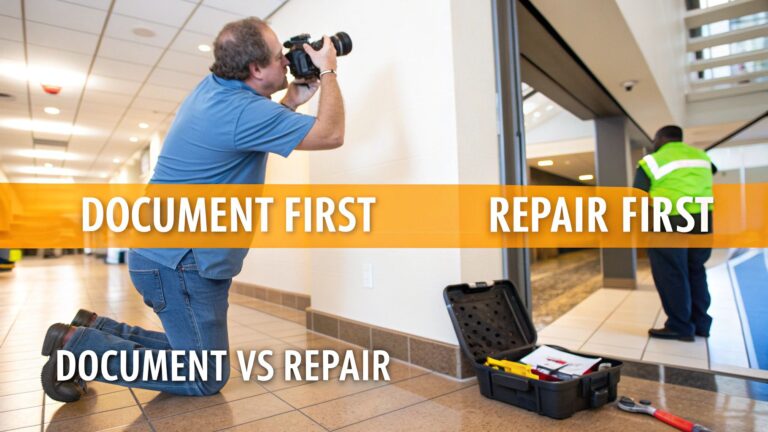
Repair First or Document First After Property Damage? A Decision Framework for UAE Asset Managers

Repair First or Document First After Property Damage? A Decision Framework for UAE Asset Managers

When property damage occurs, UAE facility managers, asset owners, and hospitality engineering leaders face a critical decision point: do we initiate immediate repairs, or do we secure comprehensive documentation first? For any incident that does not pose a direct threat to life or safety, the protocol is unambiguous: document first, then mitigate. Rushing into repairs without a verifiable, time-stamped record of the initial damage is the most common reason for insurance claim disputes and rejections in the UAE's compliance-driven commercial environment. The Critical First 60 Minutes: A Protocol for Asset Protection How your team responds within the first hour of discovering damage dictates the financial outcome for the asset. The natural impulse is to rectify the issue immediately. However, premature repairs can permanently destroy the evidence required by insurers to validate a claim. In the UAE, an absence of proof is often interpreted as an absence of grounds for a claim, potentially leaving your organisation with 100% of the liability. This initial phase is not about permanent fixes. It is about a disciplined, sequential response framework. Ensure Safety: Address immediate life-safety risks. This includes isolating water mains, de-energising electrical circuits, or evacuating the area. Personnel safety is the overriding priority. Document the Scene: Utilise mobile devices to capture detailed, time-stamped photographs and videos of the damage before any clean-up or repair work commences. Mitigate Further Damage: Only after evidence is secured, implement temporary measures to prevent escalation. This may involve deploying tarps over a leaking roof or relocating sensitive equipment from a flooded area. This "document, then mitigate" sequence separates a managed claims process from a financial liability. It establishes the clean, auditable trail that regional insurers and loss adjusters mandate. Financial Impact Analysis: Proceeding with repairs before documentation can result in claim denials of up to 100%. Insurers operate on verifiable evidence. Without a clear "before" state, they can argue the damage was pre-existing or less severe than claimed. Your initial documentation is your primary negotiating asset. The following framework provides decision-making clarity for on-site teams in the crucial first 15 minutes, prioritising actions based on damage type and associated risks. Immediate Action Protocol: A Risk-Based Framework Damage Scenario Immediate Priority (First 15 Mins) Justification (Primary Risk Factor) Indicative Response Time SLA (Industry Benchmark) Major Water Leak/Burst Pipe 1. Isolate water main. 2. Document source & spread. High risk of rapid structural saturation, mold growth (critical in UAE climate), and electrical hazards. < 1 Hour Fire Incident (Post-Extinguishing) 1. Secure the area. 2. Document all untouched areas. High risk of evidence contamination. Soot, smoke, and water damage from suppression are crucial to capture for the claim. < 2 Hours Structural Damage (e.g., impact) 1. Evacuate & restrict access. 2. Document from a safe distance. Extreme safety risk. Immediate danger of progressive collapse or further structural failure. Immediate HVAC Failure (e.g., chiller leak) 1. Isolate power. 2. Document leak source & affected equipment. Risk of electrical faults, costly equipment damage, and significant business interruption (downtime). < 4 Hours Vandalism/Break-in 1. Do not touch anything. 2. Document the entire scene. Critical for both police reports and insurance claims. Scene preservation is paramount for liability assessment. < 2 Hours This table serves as a training tool to standardise your team's response, shifting their mindset from reactive panic to a structured protocol that protects your organisation's financial interests. Understanding the critical difference between a simple damage report and an insurance-ready claim file is foundational. It transforms a chaotic event into a managed process, ensuring a clear path from incident to resolution without incurring preventable financial loss. Why Insurers Mandate Documentation Before Repairs From an insurer's perspective, undertaking permanent repairs before a formal assessment is akin to destroying evidence. Loss adjusters are tasked with verifying the cause, scope, and liability associated with the damage, and this requires an unaltered scene. Without clear, time-stamped proof, it is difficult to distinguish a new incident from pre-existing wear and tear or poor maintenance—common exclusions in many commercial property policies. A well-intentioned but premature repair can be misinterpreted as an attempt to obscure the true nature of the incident, immediately raising red flags. Preserving the Chain of Evidence The damaged area constitutes critical evidence. Your photographic and written records create an unbroken "chain of custody" that validates what happened, where, and when. This documentation is the primary tool for successful claim settlement. The entire claims process is predicated on this initial evidence. It provides the loss adjuster with the necessary data to: Establish Causation: Was the damage from a sudden and unforeseen event (typically covered), or a slow leak resulting from deferred maintenance (often excluded)? Validate Scope of Work: Does the evidence support a full replacement of an asset, or merely a localised repair? Assess Third-Party Liability: Could a contractor, neighbouring tenant, or other third party be responsible for the loss? Insurers operate on verifiable data. Missing documentation creates ambiguity, and in the context of insurance, ambiguity leads to delays, disputes, or claim denials. Lessons from Recent UAE Weather Events The importance of the "document first" protocol was starkly highlighted during major weather events in the UAE. Following the unprecedented rainfall in April 2024, which generated estimated insured losses approaching US$850 million, many asset managers who initiated immediate clean-up and repairs without comprehensive documentation faced claim rejections. Insurers had no verifiable way to link the claimed damage directly to the insurable event. Data from the aftermath showed that properties with immediate, systematic digital documentation systems in place recovered their financial losses up to 40% more efficiently than those relying on manual processes. This event provided a clear lesson: in the UAE's commercial property market, documentation must precede action. Guidance for Procurement Teams: This risk mitigation strategy can be embedded directly into your service contracts. Mandate specific photo-documentation standards and response protocols within your Annual Maintenance Contracts (AMCs). This makes your service provider contractually obligated to preserve evidence before commencing work, shielding your organisation from the financial impact of a denied claim. To facilitate claim approval, it is

January 29, 2026
What Evidence Do Insurance Loss Adjusters Look For During Site Inspections?

What Evidence Do Insurance Loss Adjusters Look For During Site Inspections?

When a loss adjuster steps onto a commercial property in the UAE, their objective is singular: to build a factual, evidence-based narrative of the incident. For property managers, facility leaders, and asset owners, understanding this process is not about confrontation; it's about providing the specific, verifiable data needed to validate a claim against policy terms. The adjuster's role is to connect three critical elements: the root cause of the incident, the quantifiable scope of the damage, and the mitigation actions taken by the policyholder to control the loss. The Adjuster's Mindset: Key Evidence Categories for Commercial Properties For decision-makers managing high-value assets in Dubai and the UAE, preparing for an adjuster's visit is a core risk management function. The adjuster acts as an impartial investigator, tasked with verifying the facts of the loss against the specific conditions and exclusions of the insurance policy. In the UAE's operational environment—characterised by high-density vertical assets and climate-driven MEP stress—an incident like a pipe burst or electrical failure can escalate into a multi-million dirham loss within minutes. The quality and structure of the initial evidence presented by the facility management team are therefore paramount. A well-prepared team can transform a complex loss scenario into a straightforward validation exercise for the adjuster. Core Areas of Evidentiary Focus An adjuster's site inspection is a structured process designed to gather evidence across four distinct pillars: Cause and Origin: Pinpointing the exact source of the loss. Was it a sudden and accidental failure of a pressurised pipe, a gradual leak from an HVAC condensate line, or a fault in an electrical busbar? The evidence must clearly point to the origin to confirm coverage under the policy. Proof of Pre-Loss Condition: Establishing the operational state of the asset before the incident. This is the primary defence against assertions of poor maintenance, wear and tear, or pre-existing defects, which are common grounds for claim reduction or denial. Loss Mitigation Efforts: Demonstrating immediate, reasonable, and documented actions taken to control the damage. This fulfills a key policy condition and shows responsible management of the insurer's potential exposure. Scope and Quantum of Damage: A detailed, itemised quantification of all damaged property and associated financial loss, forming the basis of the claim's value. The principles behind navigating home insurance claims share a similar logic, focusing on cause, effect, and mitigation, applicable across both residential and commercial asset classes. The loss adjuster’s primary function during a site inspection is to reconstruct the event timeline. They use physical evidence and operational documentation to answer three core questions: What failed? Why did it fail? What immediate actions were taken to limit the consequences? A facility manager's ability to provide clear, organised, and data-backed answers is the single most critical factor in achieving an efficient and fair claim settlement. Understanding the specific technical proof your insurer expects is a strategic advantage. The following framework outlines these evidence categories in a property management context. Core Evidence Categories for UAE Loss Adjusters This table outlines the essential evidence an adjuster seeks, its purpose, and its direct impact on your insurance claim's outcome. Evidence Category What Adjusters Scrutinize Impact on Claim Outcome Property Type Application Cause & Origin BMS logs, alarm data, CCTV footage, photos of the precise failure point (e.g., fractured pipe, arcing switchgear). High: Confirms the event is a covered peril under the policy terms. All (Commercial, Hospitality, Industrial, Retail) Pre-Loss Condition Annual Maintenance Contract (AMC) records, service reports, dated photos/videos of MEP rooms. High: Defends against policy exclusions related to negligence, wear and tear, or deferred maintenance. Commercial & Hospitality Mitigation Efforts Dispatch logs, timestamped photos of temporary fixes (e.g., water isolation, deployment of dehumidifiers), invoices for emergency services. Medium: Fulfills the policyholder's "duty to mitigate," preventing claim reduction on grounds of inaction. All Scope of Damage Itemised asset registers, independent contractor repair estimates, detailed photos/videos of all affected areas and contents. High: Forms the basis for the financial settlement ("quantum") of the loss. All Presenting this evidence proactively demonstrates operational competence and significantly accelerates the validation process, leading to a more predictable claim timeline. Proving Your Immediate and Effective First Response The initial 60-120 minute window following an incident is subject to the most intense scrutiny by an insurance adjuster. Your team's actions during this period provide a clear narrative: did the facility management team act responsibly and effectively to mitigate further loss? This is not a procedural formality; it is a core policy obligation that directly influences the final settlement amount. In a high-rise commercial tower or a large-scale hotel in Dubai, a single plumbing failure can cascade into a multi-floor, multi-million dirham event in under an hour. Insurers are acutely aware of this risk. Consequently, the evidence an adjuster seeks is heavily weighted toward the quality and timeliness of the initial response. They are looking for a clear, timestamped record proving that all reasonable measures were taken to contain the damage. Documenting Your Loss Mitigation Actions The objective of first-response documentation is to demonstrate control, compliance with internal protocols, and fulfillment of the policy's mitigation clause. The adjuster requires a sequential, undeniable record of your team's actions. Key evidence includes: Initial Discovery and Alert Logs: The precise timestamp of the initial alert (e.g., BMS alarm at 02:15, security report at 02:17), the source, and the individual who reported it. Emergency Call Records: A log of calls to on-call technical staff or third-party emergency contractors, including timestamps and personnel names. Technician Dispatch Records: System-generated proof of when a technician was assigned and, critically, their arrival time on site. This is a key performance indicator for responsiveness. System Isolation Confirmations: Photographic evidence of immediate safety actions, such as a closed water riser valve or an isolated electrical breaker, with the photo's metadata serving as a timestamp. This level of meticulous record-keeping confirms that actions were swift and decisive, meeting the professional standards expected in the UAE’s commercial property sector. The Power of Sequential Photographic Evidence Photographs are the most compelling form of evidence, but only

January 28, 2026
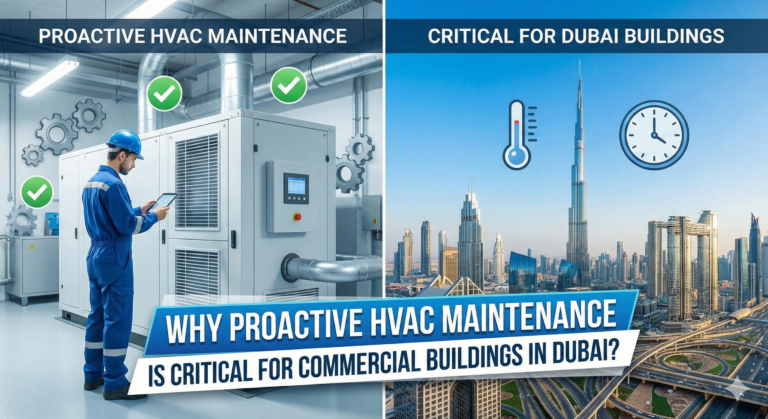
Why Proactive HVAC Maintenance Is Critical for Commercial Buildings in Dubai?

Why Proactive HVAC Maintenance Is Critical for Commercial Buildings in Dubai?

Heating, Ventilation, and Air Conditioning (HVAC) systems are among the most critical and cost-intensive assets in commercial buildings. In offices, retail spaces, hotels, healthcare facilities, and mixed-use developments, HVAC performance directly affects occupant comfort, energy consumption, indoor air quality, and business continuity. Despite this, HVAC maintenance is often approached reactively, with attention given only when cooling failures, complaints, or breakdowns occur. For commercial buildings in Dubai’s climate, this approach carries significant operational and financial risk. 1. The Role of HVAC Systems in Commercial Buildings HVAC systems regulate temperature, humidity, ventilation, and air filtration. They include chillers or split systems, air handling units (AHUs), fan coil units (FCUs), ductwork, controls, thermostats, and associated electrical and plumbing components. Any degradation in HVAC performance can impact occupant productivity, tenant satisfaction, and regulatory compliance. 2. Climate Stress and System Load in Dubai Dubai’s climate places continuous and heavy demand on HVAC systems for most of the year. Extended run hours, high ambient temperatures, dust, and humidity accelerate wear on coils, compressors, fans, and controls. Without proactive maintenance, minor inefficiencies can quickly escalate into major failures. 3. Energy Efficiency and Operating Cost Impact HVAC systems are typically the largest consumers of electricity in commercial buildings. Issues such as dirty coils, blocked filters, refrigerant imbalance, sensor drift, or poor airflow increase energy consumption while reducing cooling effectiveness. Routine inspection, cleaning, and calibration help maintain design efficiency and control energy costs. 4. Indoor Air Quality (IAQ) and Occupant Health Poorly maintained HVAC systems can contribute to indoor air quality issues, including dust accumulation, microbial growth, and inadequate ventilation. In commercial environments—particularly offices, clinics, and retail spaces—IAQ concerns can lead to occupant discomfort, health complaints, and reputational risk. Proactive maintenance supports clean air delivery and compliance with hygiene expectations. 5. Downtime, Complaints, and Business Disruption HVAC failures often result in immediate operational disruption, tenant complaints, or partial shutdown of affected areas. Reactive repairs typically involve longer downtime due to fault diagnosis, spare parts procurement, and emergency mobilization. Planned preventive maintenance reduces the likelihood and severity of such disruptions. 6. Asset Life, Capital Planning, and Risk Reduction Neglected HVAC systems experience accelerated component wear, leading to premature replacement and unplanned capital expenditure. Preventive maintenance extends equipment life, stabilizes performance, and supports informed capital planning. 7. Documentation, Compliance, and Insurance Considerations Maintenance records play an important role during audits, compliance checks, and insurance claims related to HVAC failures. Lack of documented maintenance may complicate claims or raise questions about reasonable care. Structured HVAC maintenance provides inspection logs, service records, and performance documentation. How Structured HVAC Maintenance Adds Value Engineering-led facility management companies such as SnapFixNow™ FMC deliver HVAC maintenance through planned inspections, performance monitoring, preventive servicing, and condition-based interventions. This approach supports reliability, energy efficiency, and long-term asset protection. More information on HVAC maintenance services is available at: Final Thought In Dubai’s operating environment, HVAC maintenance is not optional—it is a core business continuity and cost control function. For commercial buildings, proactive HVAC maintenance consistently delivers better comfort, efficiency, and risk management than reactive repair models.

January 27, 2026
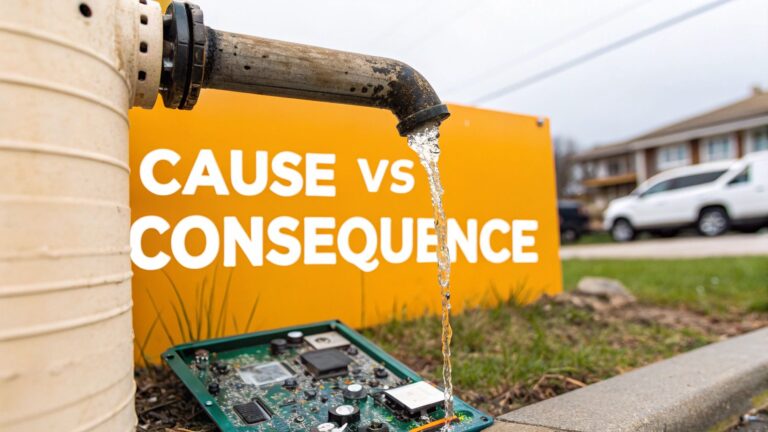
Water Leakage or Electrical Damage? How Insurers Assess Cause vs Consequence

Water Leakage or Electrical Damage? How Insurers Assess Cause vs Consequence

For property and facility managers in Dubai and the UAE, a critical incident often raises a single, financially pivotal question: was the event triggered by water leakage or electrical damage? Insurers methodically separate the triggering event (the cause) from the resulting damage (the consequence). Understanding this distinction is fundamental to navigating the claims process and mitigating financial risk. A typical commercial property policy may cover the consequential damage from a burst pipe—such as ruined servers or flooring—but it will likely exclude the cost of repairing the pipe itself, especially if the failure resulted from gradual corrosion or inadequate maintenance. For asset owners and their operational teams, mastering this cause-and-effect assessment framework is the key to a successful claim submission. Understanding Cause vs. Consequence in Commercial Property Claims In the UAE's high-value property market, the financial impact of a claim is significant. For managers of commercial towers, hospitality assets, or large-scale residential communities, a poorly substantiated claim can lead to operational downtime and substantial, unbudgeted capital expenditure. Insurers and their appointed loss adjusters have one primary objective: to identify the single, dominant "proximate cause" that initiated the chain of events. This initial determination dictates which policy clauses are triggered, whether specific exclusions apply, and the ultimate settlement value. The facility or property manager's role is to provide clear, verifiable technical evidence that a covered peril was the proximate cause. The Insurer's Analytical Framework Insurers deconstruct damage into a sequence of events. An electrical short circuit may be the proximate cause, but the ensuing fire and the subsequent water damage from the building's sprinkler system are the consequences. While the fire and water damage are likely covered perils, the initial electrical fault may not be if it resulted from an excluded cause, such as gradual deterioration (wear and tear). A policyholder's ability to demonstrate a sudden, accidental, and unforeseen event as the proximate cause is paramount. Insurers are specifically looking to differentiate this from damage arising from wear and tear, faulty workmanship, or lack of preventive maintenance—all common policy exclusions. This distinction is especially critical in Dubai, where the climate—with its high humidity and temperature fluctuations—can accelerate material degradation. For example, ambient humidity can corrode electrical components over time, blurring the line between a sudden failure and a gradual one. An insurer will invariably request detailed maintenance records to determine if the failure was preventable through a diligent Annual Maintenance Contract (AMC). The matrix below illustrates how insurers typically analyse these incidents, providing a framework for facility managers to anticipate the investigation's focus. Insurer's Cause vs. Consequence Assessment Matrix This matrix provides a reference for how insurers categorize common water and electrical incidents, enabling facility managers to prepare for the technical scrutiny of a claim investigation. Incident Scenario Potential Proximate Cause (The Insured Peril) Resulting Damage (The Consequence) Primary Focus of Insurer's Investigation Chilled water pipe bursts, flooding an IT server room and shorting equipment. Sudden and accidental water discharge. Damage to servers, flooring, and electrical wiring. Verifying pipe condition and maintenance history (e.g., pressure tests, NDT reports) to rule out gradual corrosion or pre-existing leaks. Electrical fire in a DEWA room damages pumps, causing a loss of water pressure. Fire originating from an electrical fault. Fire and smoke damage to the room; consequential damage from pump failure. Forensic analysis of the electrical panel to pinpoint the exact point and reason for failure (e.g., surge vs. faulty component). AC unit condensate drain clogs and overflows, slowly seeping into walls. Gradual water ingress due to lack of maintenance. Mold growth, drywall degradation, and potential electrical faults in wall sockets. Reviewing AMC logs to confirm if drain lines were regularly cleaned; cause is often excluded as preventable. A power surge from the grid damages a building's main distribution panel. External electrical surge. Damage to the panel and connected equipment. Examining DEWA reports and building systems (BMS/SCADA data) for evidence of a surge event, differentiating it from an internal fault. The insurer's investigation will consistently revert to the root cause. As a facility manager, understanding their investigative path allows you to prepare the precise technical evidence required. Unpacking the Insurer's Investigation Process Reporting an incident of water leakage or electrical damage initiates a methodical investigation, not an automatic approval. For property and facility managers across the UAE, understanding this process is crucial for managing stakeholder expectations and preparing the necessary evidence to substantiate a claim. The insurer's objective is to trace the chain of events back to its origin. The process begins with the First Notification of Loss (FNOL). Upon reporting the damage, the insurer assigns a claim number and appoints a loss adjuster. These independent professionals act as the insurer's technical assessors on-site, tasked with evaluating the damage and determining the proximate cause. For high-value commercial claims, expect a site visit within 24 to 72 hours. During this initial assessment, the adjuster focuses on fact-gathering, mitigating further loss, and identifying immediate remediation needs. However, their primary function is to begin the root cause analysis. The Role of Technical Specialists and Evidence Review When the cause is not immediately apparent—a common scenario in complex MEP systems within commercial towers, industrial facilities, or hotels—loss adjusters engage third-party specialists. Forensic Engineers: These experts analyse material failures. For a burst pipe, they examine the ruptured section for evidence of corrosion, manufacturing defects, or external impact, differentiating between a gradual failure and a sudden event. MEP (Mechanical, Electrical, Plumbing) Specialists: For a suspected electrical fault, MEP consultants inspect panels, wiring, and equipment to identify the point of failure. Their report is critical for distinguishing an internal malfunction from an external event like a power surge. These specialists require access to a comprehensive suite of documents. Insurers scrutinise these records to establish a timeline and verify compliance. You can learn more about preparing the technical proof your insurer expects in our detailed guide. In claims assessment, the burden of proof rests with the policyholder. A well-organised digital file containing maintenance logs, AMC documentation, and incident reports not only expedites

January 27, 2026
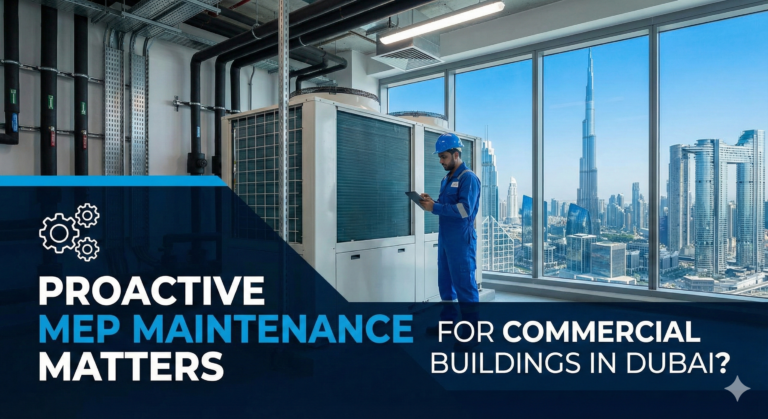
Why Proactive MEP Maintenance Matters for Commercial Buildings in Dubai?

Why Proactive MEP Maintenance Matters for Commercial Buildings in Dubai?

Mechanical, Electrical, and Plumbing (MEP) systems form the backbone of any commercial building. In offices, retail spaces, hotels, and mixed-use developments, MEP systems directly impact safety, comfort, uptime, and operating costs. Despite this, many building owners underestimate the importance of structured MEP maintenance until failures begin to disrupt operations. Understanding why proactive MEP maintenance matters is critical for long-term asset performance and risk control. 1. What MEP Systems Cover in Commercial Buildings MEP systems typically include HVAC equipment, electrical distribution boards, lighting systems, power backup, plumbing networks, pumps, drainage, and control systems. Failures in any of these areas can affect not only comfort, but also life safety, regulatory compliance, and business continuity. 2. The Hidden Cost of Neglected MEP Systems MEP failures rarely occur suddenly. They often develop due to undetected wear, imbalance, improper calibration, or deferred servicing. Without preventive maintenance, small inefficiencies escalate into breakdowns, emergency repairs, and unplanned capital expenditure. 3. Impact on Energy Efficiency and Operating Costs Poorly maintained HVAC and electrical systems consume more energy to deliver the same output. Issues such as clogged coils, imbalanced airflows, loose electrical connections, and leaking valves increase utility costs and shorten equipment life. Proactive maintenance helps maintain system efficiency and control operating expenses. 4. Risk, Safety, and Compliance Considerations MEP systems are closely linked to fire safety, electrical safety, water hygiene, and indoor air quality. Neglected maintenance can lead to non-compliance findings, safety incidents, and increased liability exposure. Routine inspections and documented servicing support regulatory and insurance requirements. 5. Downtime and Business Continuity In commercial environments, MEP failures often result in operational downtime, tenant complaints, or business interruption. Reactive repairs typically involve longer restoration times due to fault tracing, part sourcing, and emergency mobilization. Planned maintenance reduces the likelihood and impact of disruptive failures. 6. Documentation and Insurance Implications Insurance claims related to MEP failures often require proof of reasonable maintenance practices. Lack of maintenance records can complicate claims or lead to partial settlement. Structured MEP maintenance provides inspection logs, service records, and technical documentation that support claim credibility. How Structured MEP Maintenance Adds Value Engineering-led facility management companies such as SnapFixNow™ FMC approach MEP maintenance through planned inspections, performance monitoring, and preventive servicing aligned with asset criticality. This approach supports reliability, cost control, and long-term asset protection. More information on MEP maintenance services is available at: Final Thought MEP maintenance is not simply a technical task,it is a risk management and cost control function. For commercial buildings, proactive MEP maintenance consistently delivers better reliability, compliance, and financial outcomes than reactive repair models.

January 26, 2026
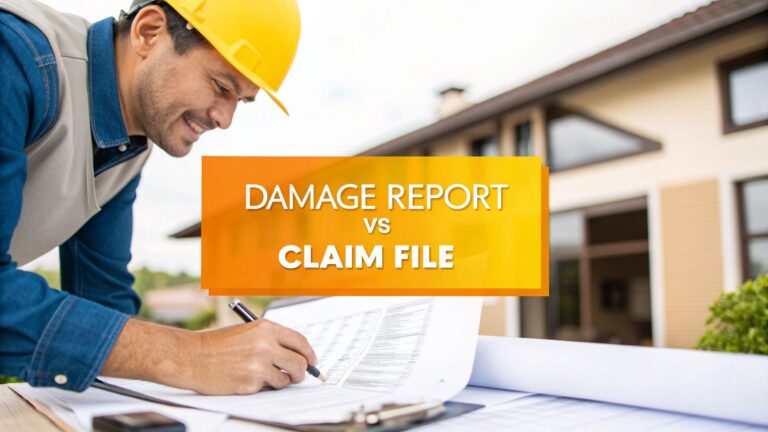
The Difference Between a Damage Report and an Insurance-Ready Claim File: A Guide for UAE Asset Managers

The Difference Between a Damage Report and an Insurance-Ready Claim File: A Guide for UAE Asset Managers

For facility and asset managers in the UAE, the distinction isn't just semantics—it's a critical financial control. A damage report is an internal, rapid-response tool for operational triage, focused on the 'what' and 'where' to initiate immediate repairs and meet Service Level Agreement (SLA) targets. In contrast, an insurance-ready claim file is a comprehensive, evidence-based dossier engineered for external financial recovery. It must definitively answer the 'why,' 'how,' and 'how much' to satisfy intense insurer scrutiny and protect asset value. Damage Report vs. Insurance Claim File: An Executive Summary In Dubai's high-value property market, a critical system failure requires two parallel workflows: immediate operational intervention and meticulous financial justification. Differentiating between a damage report and an insurance-ready claim file directly impacts operational expenditure (OPEX), capital expenditure (CAPEX) planning, and asset protection. One document mobilises the technical team; the other secures the financial reimbursement that safeguards the budget. This distinction has become even more critical for asset owners and managers. Following recent extreme weather events that led to significant insurer losses across thousands of properties, the capability to produce a robust, insurance-ready claim file has become a key performance indicator for facility management in the UAE. You can find more insights on how these events have shaped the local insurance landscape over on KhaleejTimes.com. Key Differences at a Glance A damage report is the first response; a claim file is the financial argument that follows. Each serves a distinct purpose and is built for a different audience. The first is for internal technicians and operations managers; the second is for external loss adjusters, underwriters, and legal teams who demand rigorous, undeniable proof. The table below breaks down the key differences to help facility, asset, and procurement managers in the UAE make swift, informed decisions. Key Differences at a Glance Damage Report vs Insurance Claim File Attribute Damage Report (Internal Triage) Insurance-Ready Claim File (External Recovery) Primary Audience In-house FM team, technicians, supervisors Insurers, loss adjusters, legal counsel, auditors Core Purpose Trigger immediate repair, ensure safety, contain damage Secure financial compensation for loss, justify CAPEX Typical Urgency Immediate (within 0.5-4 hours) for SLA compliance Compiled over 7-14 business days for submission Content Focus What, where, when (e.g., burst pipe, level 3, 02:00) Why, how, and financial impact (root cause, costings) Evidence Level Preliminary photos, brief description of issue Forensic detail, sequential evidence, expert reports Financial Data Minimal; focus is operational response Itemised quotes, invoices, proof of payment, cost analysis Decision Supported "Dispatch a plumbing team now to meet a 2-hour SLA." "Approve a AED 150,000 claim payment for MEP failure." Looking at them side-by-side makes the distinction clear. One is about immediate action to minimise operational disruption, the other about methodical financial recovery to protect the asset's balance sheet value. A damage report is an operational necessity designed to minimise asset downtime. An insurance-ready claim file is a financial instrument designed to recover capital and protect the balance sheet. Confusing the two can lead to operational delays and rejected claims. Ultimately, mastering this workflow—from rapid triage to robust financial documentation—is a core competency for modern facility management in the region. Deconstructing the Damage Report: Its Purpose, Scope, and Limits In UAE facility management, the damage report is the essential first-response document. Its primary purpose is purely operational: to dispatch a technician immediately, secure the site, and contain the problem. It is the trigger for the entire maintenance workflow. This document is optimised for speed and clarity, not financial negotiation. It’s designed to capture the critical triage information needed to meet strict Service Level Agreement (SLA) response times, which can range from 30 minutes for critical failures in a hospitality setting to 4 hours for standard issues in a commercial tower. It prioritises action over deep analysis. Core Components of a Damage Report A functional damage report contains just enough information to get the right team to the right place with a basic understanding of the situation. The contents are direct, factual, and stripped to the essentials. Time and Date Stamps: Precise logs of when the incident was reported and first observed. Exact Location Data: Building, floor, specific unit number, or asset tag ID. Preliminary Photographic Evidence: Raw, initial photos showing the visible extent of the damage. Brief Description: A concise summary of the issue (e.g., "Water ingress from ceiling tiles above server rack, Asset ID: SR-04"). Technician's Initial Assessment: A first-look evaluation upon arrival, confirming the nature of the problem. At its core, a damage report is a frontline snapshot. For a burst pipe in a residential community, real-time photos and data logging confirm the urgency for immediate dispatch. This SLA-driven document focuses entirely on triage and can contribute to a reduction in asset downtime by up to 35%—a vital metric in high-occupancy buildings. You can find more insights on the importance of efficient operations in the UAE's service industries. The Limits of a Damage Report: A Practical Scenario While vital for operations, a damage report is fundamentally insufficient for financial recovery. Its limitations become clear the moment cost justification is required by an external party like an insurer. Consider this scenario: A main water pipe bursts on the 15th floor of a JLT commercial tower at 03:00. The Damage Report: A security guard logs the issue using a photo-based app. The report contains an image of the flooded corridor, location, and time. It successfully triggers the FM provider's 2-hour emergency SLA, and a plumbing team is dispatched. The Operational Success: The team arrives promptly, isolates the water supply, and begins mitigation. Operationally, the damage report fulfilled its purpose as an internal alert. The Financial Hurdle: The total repair cost—including pipe replacement, new ceiling tiles, damaged flooring, and specialist drying services—totals AED 30,000. The asset owner decides to file an insurance claim. The damage report that triggered a AED 500 emergency call-out is not the same document that can justify a AED 30,000 insurance claim. It lacks the three pillars of a successful claim: causation, itemisation, and validation. The original damage

January 26, 2026
Call Now Button