Commercial Buildings & Offices

Complete Engineering Department for Commercial Buildings & Offices in Dubai

Fully Managed • SLA-Backed • Compliance-Ready • Predictable Monthly Cost

Get Your Free Quote

Professional facility management services


    Why Commercial Buildings Choose SnapFixNow

    Pain → Solution (Optimized for Building Owners & FM Managers)

    High Cost of Multi-Discipline Staff

    → One Fixed Monthly Fee

    Commercial towers require HVAC + MEP + Civil + Electrical + BMS technicians. Managing these in-house means multiple salaries, visas, benefits, HR overheads, training & turnover costs.

    SnapFixNow Solution

    Unpredictable Breakdowns

    → Predictive Building Maintenance

    A single breakdown can cause tenant complaints, business interruption, elevator downtime, chiller issues, and reputation damage.

    SnapFixNow Solution

    Energy Waste & High Utility Bills

    → Energy Optimization Management

    Commercial buildings lose 20–30% energy due to dirty AHUs, poor chiller maintenance, inefficient schedules, leaking ducts, faulty sensors, and bad PPM practices.

    SnapFixNow Solution

    Compliance Risks

    → Full DCD, DEWA & Municipality Alignment

    Buildings face penalties if fire systems are not maintained, pumps are out of code, emergency lighting fails, or DCD documentation is missing.

    SnapFixNow Solution

    Vendor Chaos

    → Single Point Engineering Ownership

    Common corporate pains: hot/cold spots, noisy AC units, slow cooling, poor indoor air quality across office spaces today.

    SnapFixNow Solution

    Spare Parts Leakage

    → Digital Inventory Control

    Leakage and misuse are common in large buildings.

    SnapFixNow Solution

    No Engineering KPIs

    → Full Transparency

    Most building owners have no visibility on downtime, PPM completion, asset life cycle, spare parts consumption, or tenant-impact issues.

    SnapFixNow Solution

    The SnapFixNow Guarantee

    (Commercial Buildings)
    Corporate Offices

    The Fully Outsourced Engineering Department for Corporate Offices in Dubai

    (Tenants & HQ Buildings)

    "Zero Downtime. Perfect Workplace Experience. Fully Managed Engineering Operations."

    Modern offices require:

    But internal engineering teams struggle with:

    SnapFixNow solves all of it.

    We become your corporate office engineering team, ensuring a high-quality, interruption-free workplace environment for employees and visitors.

    Why Corporate Offices Choose SnapFixNow

    Workplace Comfort Issues

    → Guaranteed HVAC Performance

    Common corporate pains: hot/cold spots, noisy AC units, slow cooling, poor indoor air quality, discomfort for employees and constant complaints across office spaces.

    SnapFixNow Solution

    Frequent Small Issues

    → On-Site Daily Technician Presence

    Office productivity is damaged by lighting failures, power issues, door access problems, pantry equipment breakdown, and plumbing issues.

    SnapFixNow Solution

    Meeting Room / Facility Readiness

    Meeting Room / Facility Readiness → Proactive Checks Every Morning

    Before employees arrive, facilities need to be operational.

    SnapFixNow Solution

    A flawless workplace experience daily.

    Office Expansion / Relocation Support

    → Complete MEP & Engineering Planning

    Office changes create huge stress for management teams, adding complexity, pressure, additional coordination, and unexpected challenges during planning, execution, and ongoing operations.

    SnapFixNow Solution

    Zero Engineering Visibility

    → Monthly KPI Dashboards

    No insight into engineering performance.

    SnapFixNow Solution

    You finally see everything.

    Unpredictable Costs

    → No More Surprise Bills

    Engineering expenses are scattered and unpredictable, causing budget challenges, unexpected overspending and constant financial stress issues.

    SnapFixNow Solution

    Perfect for budget planning & cost control.

    The SnapFixNow Guarantee

    (Corporate Offices)

    Zero downtime impact to employees

    SLA-backed fast response

    Improved comfort, IAQ & reliability

    Daily on-site technician + supervision

    Predictable monthly fee

    Full reporting, dashboards & transparency

    PERFECT FOR THESE CORPORATE SPACES

    INDUSTRIES WE
    SERVE

    Developers (pre & post-handover)

    Property management firms

    Real estate groups

    Strata towers

    Mixed-use commercial buildings

    Office towers

    Case Studies

    Proven results from SLA-driven facility management projects across Dubai

    Case Study SnapFix Now

    Fountain & Lobby Enhancement

    CLIENT / LOCATION
    Corporate HQ DIFC
    CHALLENGE
    Lobby fountain failure impacted visitor experience.
    RESULT
    39% uptime achieved, positive client feedback
    View Case Study
    Energy Efficiency Solutions

    Energy Optimization Project

    CLIENT / LOCATION
    Hotel Apartments, Bur Dubai
    CHALLENGE
    High energy bills from inefficient HVAC operation.
    RESULT
    Energy savings of 22%, reduced OPEX
    View Case Study
    Painting on SnapFixNow

    Exterior Facade & Painting

    CLIENT / LOCATION
    Residential Tower, Al Nahda
    CHALLENGE
    Weather damaged facade reduced property appeal.
    RESULT
    Increased occupancy rates and reduced vacancy cycle
    View Case Study
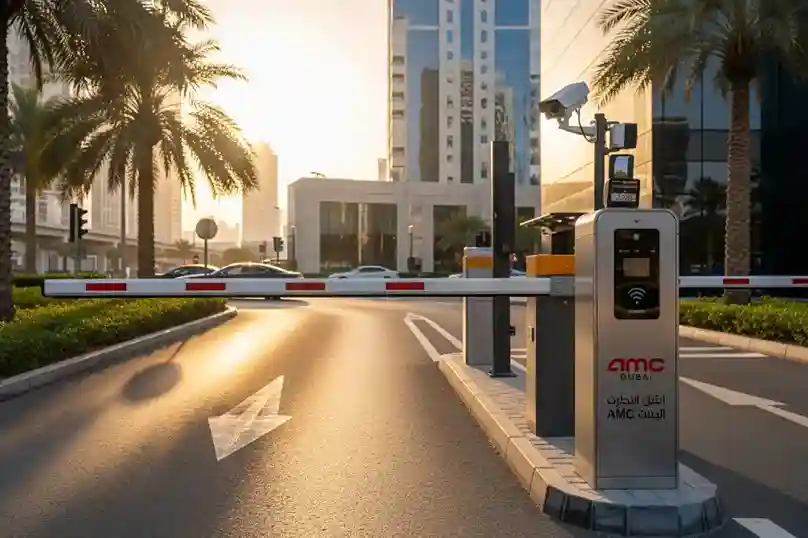
    Parking Barriers

    Parking Barriers & Access Control

    CLIENT / LOCATION
    Business Park, Sharjah Free Zone
    CHALLENGE
    Barrier failures caused tenant access issues.
    RESULT
    Reduced downtime by 90%
    View Case Study
    Luxury Cleaning

    Post-Construction Cleaning – Luxury Project

    CLIENT / LOCATION
    Premium Developer, Downtown Dubai
    CHALLENGE
    Dust, joint residue, and adhesive marks delayed handovers.
    RESULT
    400 apartments handed over spotless in 5 weeks
    View Case Study
    OUR WORK

    See The Transformation

    Real results from our completed projects across Dubai. Drag the slider to compare before and after.
    before-hvac-DxRgjLKM after-hvac-CbtkH8vJ

    HVAC System Upgrade

    HVAC Installation
    before-cleaning-Dk6ROkAv after-cleaning-CgDmYM32

    Commercial Deep Cleaning

    Cleaning Service
    before-renovation-Bk64hXd3 after-renovation-21e1cJ_f

    Complete Apartment Renovation

    Renovation
    Want to see similar results for your property?
    WHY CHOOSE US

    Why Choose SnapFixNow

    We combine process, people and technology to deliver measurable outcomes that exceed expectations and drive continuous improvement for your business success.

    24/7 Support

    Round-the-clock availability for emergencies. Our dedicated team is always ready to respond to your facility needs, ensuring minimal downtime and maximum peace of mind.

    Certified Experts

    Highly trained and certified technicians with international standards compliance. Every team member undergoes rigorous training and holds relevant industry certifications.

    Guaranteed Results

    Quality-assured services with comprehensive warranties. We stand behind our work with performance guarantees and transparent SLA commitments for your complete satisfaction.

    Competitive Pricing

    Cost-effective solutions without compromising quality. Transparent pricing models, flexible payment options, and exceptional value for your facility management investment.

    ISO Certified

    ISO 9001:2015 Quality Management

    5+ Years

    Experience in Dubai

    500+ Clients

    Satisfied Customers

    Licensed & Insured

    Fully Certified Technicians

    99% Satisfaction

    Guarantee on All Services

    24/7 Support

    Emergency Response Available

    500+

    PROJECTS COMPLETED

    99%

    CLIENT SATISFACTION

    24/7

    HOUR AVAILABILITY

    50+

    EXPERT TECHNICIANS

    [ TESTIMONIALS ]

    REAL EXPERIENCES,
    REAL SATISFACTION

    Ahmed Al Mazrouei

    General Manager, InterContinental Hotel

    SnapFixNow is great for our hotel's maintenance and cleaning tasks. Using photos for communication is so easy and efficient for our team. I recommend SnapFixNow highly to any hotelier.

    ★★★★★

    Omar Al Ali

    Hospitality Business

    A fantastic product with great customer service. I've been with SnapFixNow for a few years now over two businesses and I will be continuing this relationship into the future. Highly recommended.

    ★★★★★

    AYESHA KHAN

    Facilities Manager, Jumeirah Hotels

    SnapFixNow has improved our maintenance team's productivity by approximately 30% and made it easy for non-facilities executive management to monitor our operations. A very efficient tool.

    ★★★★★

    MOHAMMED AL FALASI

    Facilities Manager

    Easy to use and saves time. Positive experience so far and the software has good potential to support our business needs in multiple ways going forward.

    ★★★★★

    Rohit Sharma

    Maintenance Head, Sofitel Dubai Downtown

    Excellent for our maintenance department. SnapFixNow makes it simple to assign tasks and follow up on completion across all staff.

    ★★★★★

    FATIMA AL SUWAIDI

    Facilities Manager, Dubai British School

    A really good facilities tool. All reactive work is logged efficiently and preventive maintenance is completed on schedule. Asset management features are excellent.

    ★★★★★
    SERVICE COVERAGE

    We Serve All Dubai

    Comprehensive facility management services across 15+ Dubai communities

    Downtown Dubai

    Premium

    Dubai Marina

    Residential

    Jumeirah Beach Residence

    Premium

    Business Bay

    Commercial

    Dubai Mall Area

    Commercial

    Arabian Ranches

    Residential

    Dubai Sports City

    Residential

    Palm Jumeirah

    Premium

    Emirates Hills

    Premium

    Dubai Silicon Oasis

    Residential

    International City

    Residential

    Deira

    Commercial

    Bur Dubai

    Residential

    Al Barsha

    Residential

    Jumeirah

    Premium

    FREQUENTLY ASKED

    Clients Asked Questions & Answers

    Find answers to the most common questions about our facility management services.

    Yes. We manage maintenance across shared services, common areas, and tenant spaces with structured coordination.
    We work with property management teams to schedule maintenance with minimal disruption to tenants.
    Property managers receive service reports, maintenance logs, and recommendations for corrective actions.
    Yes. SLAs are defined based on asset criticality and operational requirements.
    Yes. We support portfolio-based AMCs for clients managing multiple assets.

    Read the Latest Insights

    Explore trending topics to maintain and optimize your facilities, your most valuable business investment.

    Find Your Facility Management Company Business Bay Dubai

    Find Your Facility Management Company Business Bay Dubai

    A commercial property owner in Business Bay usually reaches the same point sooner or later. Service requests are rising, tenant complaints are becoming more specific, utility costs are under pressure, and procurement is still comparing vendors on headline price. That’s where FM decisions start going wrong. Choosing a facility management company business bay dubai isn’t a directory exercise. In a high-density district with vertical assets, mixed occupancies, and climate-stressed building systems, the contract model you choose affects uptime, compliance exposure, lifecycle cost, and the amount of management time your team spends firefighting instead of planning. Table of Contents Executive Summary The Operational Imperative in Business Bay What changes in Business Bay Core Facility Management Services for High-Rise Assets Hard FM sets the risk baseline Soft services affect asset performance, not just appearance Service scope should match failure mode Evaluating FM Service Models A Cost vs Risk Analysis Where contract cost and asset risk diverge The Role of a Facility Management Company in Business Bay Dubai Commercial towers need uptime discipline Hotels retail and mixed-use need different controls Auditing Provider Capabilities and Compliance Frameworks What to verify before award What acceptable operational transparency looks like Deconstructing Pricing Models and OPEX Impact How pricing structure shifts operational risk Where OPEX usually gets distorted A contract shape that usually performs better Decision Framework for Selecting an FM Partner A practical procurement sequence Frequently Asked Questions about Facility Management in Dubai Executive Summary The Operational Imperative in Business Bay Business Bay isn’t a forgiving operating environment. Towers run long hours, many assets support mixed commercial activity, and HVAC, electrical and plumbing systems work under sustained heat, dust loading and humidity cycles. In that setting, reactive maintenance isn’t just untidy. It’s an avoidable financial liability. The wider market data supports that view. The UAE Facility Management market was valued at USD 18.29 billion in 2024 and is projected to reach USD 33.64 billion by 2030, growing at a CAGR of 10.69%, according to MarkNtel Advisors' UAE facility management market analysis. That growth is closely tied to dense commercial zones where hard FM performance directly affects operating continuity. For owners, that means FM should be treated as an asset preservation function, not a purchase order category. A weak FM structure usually shows up in four places first. Unplanned shutdowns, repeat defects, poor contractor coordination, and incomplete maintenance records. Each one increases total cost of ownership even if the annual contract appears cheaper on paper. Practical rule: If your building team spends most of its time chasing updates, approving emergency call-outs, and reconciling scope disputes, your FM model is already costing more than the quoted fee. A useful discipline is to ask for a short operational brief before procurement starts. That brief should identify critical systems, occupancy profile, business interruption sensitivity, and maintenance exclusions. Teams that need help structuring that summary may find this resource on how to write executive summaries useful for internal alignment before issuing an RFQ. What changes in Business Bay A standard low-rise maintenance approach doesn’t translate well to high-rise commercial stock. Vertical transport, condenser performance, access planning, permit control, and tenant communication all become more operationally sensitive. The practical implication is straightforward: If the asset is office-led: Prioritise uptime, indoor comfort, electrical resilience, and after-hours maintenance windows. If the asset is mixed-use: Define interface responsibility early, especially where retail, lobby, parking and back-of-house systems overlap. If the asset includes hospitality use: Build service levels around guest impact, not just technical completion. Good FM in Business Bay is less about offering a long service list and more about controlling failure points before they become tenant-facing incidents. Core Facility Management Services for High-Rise Assets At 10:30 on a weekday in Business Bay, one unstable AHU, a lift lobby comfort complaint, and a delayed permit for access above a tenant ceiling can turn into lost trading hours, management escalation, and unplanned contractor cost. High-rise FM should be built around those failure chains. For commercial towers, the service scope has to protect uptime, compliance status, and asset condition at the same time. A long list of tasks is not enough. Owners need a scope that identifies which systems fail most often, which failures become tenant-facing fastest, and which works require specialist access, shutdown planning, or statutory control. Hard FM sets the risk baseline Hard FM carries most of the operational exposure in a high-rise asset. In Business Bay, HVAC drift shows up quickly in comfort complaints and energy waste. Electrical defects carry higher consequence because they affect life safety interfaces, tenant operations, and outage risk. Plumbing failures look smaller at first, but one recurring leak in a riser, pantry stack, or FCU condensate line can damage finishes, disrupt occupied areas, and create repeat call-outs that distort OPEX. A practical hard FM scope should cover: HVAC systems: Chillers, pumps, AHUs, FCUs, ventilation, controls, coil cleaning regimes, filter management, drain integrity, and performance checks against actual operating conditions. Electrical systems: MDBs, SMDBs, final distribution, emergency lighting, UPS interfaces where applicable, earthing, protective device testing, and thermal inspection of loaded components. Water and drainage systems: Transfer pumps, booster sets, calorifiers or water heaters, pressure-reducing valves, drainage stacks, sump systems, and leak detection or response procedures. Building fabric and civil works: Sealant failure, roof and wet-area waterproofing interfaces, façade-related ingress points, masonry defects, access covers, and common-area finishes affected by maintenance activity. Life safety interface works: Fire door condition, emergency light rectification, alarm-related coordination, and any MEP or fit-out work that can affect compliance records. Owners often use a single provider for integrated building services because fault isolation is faster when one team owns the mechanical, electrical, and plumbing interface. Where that structure fits the asset, a specialist MEP maintenance company in Dubai can reduce handoff delays and the familiar dispute over whether the problem started in controls, power supply, drainage, or equipment condition. Soft services affect asset performance, not just appearance Soft FM has direct operational value in high-density towers. Cleaning quality affects how quickly dust returns to

    April 23, 2026
    Mastering Retail Mall Maintenance Services Dubai

    Mastering Retail Mall Maintenance Services Dubai

    A mall owner in Dubai usually doesn’t have a maintenance problem until the wrong asset fails at the wrong hour. The issue isn’t the repair itself. It’s the compound cost of tenant disruption, shopper discomfort, safety exposure, emergency mobilisation, and the follow-on damage to equipment that could have been protected earlier. That’s why retail mall maintenance services dubai shouldn’t be evaluated as a line-item buying exercise. In this market, maintenance decisions sit directly against rental pressure, occupancy expectations, and visitor experience. Prime retail rental rates in high-traffic Dubai locations increased by 10-15% in 2024-2025, while Dubai Mall drew over 111 million visitors in 2024, according to RedRock’s Dubai retail market review. When footfall and rent are both high, downtime becomes expensive very quickly. Table of Contents Executive Summary The Stakes of Retail Mall Maintenance in Dubai Hard FM vs Soft FM The Two Pillars of Mall Operations What sits inside each scope Why malls need both working together Analyzing Maintenance Contract Models AMC vs Reactive How each model performs in a live mall A practical contract selection matrix Defining Service Level Agreements SLAs and KPIs for Malls What a usable mall SLA looks like KPIs that actually matter in operation Navigating Cost Drivers and Dubai-Specific Compliance Where the budget really goes Why compliance changes the cost base The Role of Technology in Modern Mall Maintenance From work orders to auditable execution Where predictive maintenance pays off Frequently Asked Questions on Dubai Mall Maintenance Q: What should be included in a mall maintenance tender scope? Q: Is a labour-only contract suitable for a major mall? Q: How should procurement compare bids for retail mall maintenance services dubai? Q: Which systems usually deserve the strongest SLA terms? Q: How often should a mall review its maintenance strategy? Executive Summary The Stakes of Retail Mall Maintenance in Dubai A retail mall can tolerate minor defects. It can’t tolerate prolonged instability in HVAC, electrical distribution, fire life safety, drainage, escalators, washrooms, or front-of-house cleanliness. In Dubai, those risks are intensified by heat, dust loading, high occupancy swings, and tenant expectations that are closer to hospitality than conventional commercial property. The operating backdrop is unforgiving. In the UAE facility management market, hard services held 60.92% market share in 2025, and commercial assets accounted for 42.96% of total FM market revenue, according to Mordor Intelligence’s UAE facility management market analysis. That tells you where operators are spending attention and budget. The technical estate is where uptime, compliance, and lifecycle risk sit. Three commercial realities shape the maintenance decision. High footfall raises consequence of failure: In a major mall, even a short disruption can affect multiple tenants, common area comfort, and security operations. High rents raise the cost of neglect: When rents are rising, owners can’t afford avoidable service interruptions that weaken retention or trigger tenant disputes. Asset intensity changes the actual cost equation: Chillers, air handling units, pumps, LV systems, fire systems, and specialist finishes don’t just need repair. They need protection. Practical rule: Compare maintenance models by total cost of ownership, not by annual fee alone. That means looking at five things together: Downtime risk Budget predictability Compliance exposure Asset life impact Administrative burden on the client team A cheap reactive arrangement often looks efficient until a sequence failure appears during peak trading. A better framework is simple. Protect critical assets first, define measurable SLAs, fund preventive tasks properly, and use reporting systems that leave an auditable trail. Hard FM vs Soft FM The Two Pillars of Mall Operations Mall operations are usually described as one maintenance function. In practice, they are two linked systems. Hard FM protects the physical asset and its statutory systems. Soft FM protects safety perception, hygiene, presentation, and day-to-day occupier experience. What sits inside each scope Service Category Hard FM (Technical Services) Soft FM (Non-Technical Services) Core purpose Asset uptime, safety, compliance, lifecycle protection Cleanliness, presentation, hygiene, user experience Typical systems HVAC, electrical, plumbing, MEP, fire systems, pumps, controls, building fabric Cleaning, waste handling, washroom hygiene, façade support, pest control, front-of-house support Failure consequence Shutdowns, safety incidents, equipment damage, tenant complaints Slips, hygiene failures, poor shopper experience, brand perception issues Delivery model Engineers, technicians, specialist testing, planned maintenance Cleaning teams, supervisors, shift routines, consumable management Typical contract emphasis PPM, rectification, AMC scope, emergency response Shift coverage, frequencies, quality inspections, consumables, deep cleaning In Dubai malls, soft services are far more technical than many procurement teams assume. Specialised cleaning protocols in Dubai malls use dual-phase processes to sustain hygiene in venues handling 100k+ daily visitors, including high-end scrubbers and UV-C dosing to manage microbial risks and dust accumulation. That isn’t cosmetic work. It’s operational control. Why malls need both working together A mall doesn’t experience failures in neat procurement categories. If an AHU underperforms, air quality drops, humidity control weakens, odour complaints rise, and soft-service teams end up compensating with more frequent washroom checks, entrance cleaning, and tenant-facing recovery actions. If drainage backs up in a food court service area, engineering and cleaning teams need a single escalation chain, not separate reporting silos. What works is integration around zones, critical assets, and trading hours. Front-of-house zones: Require coordinated HVAC stability, washroom hygiene, lighting, and floor care. Back-of-house zones: Need drainage, grease management, electrical reliability, pest control, and service corridor cleanliness. Luxury retail areas: Demand tighter standards on temperature control, finish protection, and response discipline. Soft FM often absorbs the visible symptoms of a Hard FM problem. If the scopes are contracted separately without shared escalation rules, repeat complaints become inevitable. For unusual incident categories, such as burst pipe aftermath or after-hours water ingress affecting tenancies, teams sometimes review specialist external guidance on commercial water damage restoration to benchmark containment steps and documentation expectations. That’s useful because water incidents in malls are rarely just a cleaning issue. They involve isolation, drying, material salvage, and reinstatement planning. Analyzing Maintenance Contract Models AMC vs Reactive A chiller trips at 6:30 pm on a Friday, footfall is peaking, and tenant calls start within minutes.

    April 22, 2026
    Master Facility Management for Warehouses Dubai

    Master Facility Management for Warehouses Dubai

    A warehouse manager in Dubai usually notices facility management only when something fails. A dock door stops cycling during a peak receiving window. A high-bay HVAC unit trips in extreme heat. A fire alarm panel throws a fault and nobody is certain whether it is sensor drift, wiring, or a genuine risk condition. The direct repair cost matters, but the larger issue is interruption. Labour gets stranded, trucks queue, inventory conditions drift, and procurement suddenly shifts from planned spending to emergency approvals. That’s why facility management for warehouses dubai should be treated as an asset protection function, not a housekeeping line item. In a logistics building, FM decisions affect uptime, compliance exposure, lifecycle cost, and leaseability. They also shape whether operating teams spend their week controlling risk or reacting to it. Table of Contents Executive Summary An Engineering Framework for Warehouse FM Core Scope of Facility Management for Warehouses Dubai Hard services carry the operational risk Soft services support safety and throughput Warehouse specific assets need planned attention Navigating Dubai's Regulatory and Compliance Landscape Compliance starts with maintainable systems Fire life safety is an operational discipline Documentation decides whether compliance is defensible Evaluating AMC and SLA Models for Warehouse Operations How the three contract structures differ Where owners misread cost Defining and Measuring Performance with KPIs Which KPIs matter in a warehouse How to read KPI drift before it becomes downtime A Vendor Selection Framework for Warehouse FM Technical capability before price comparison Operational readiness and reporting discipline Frequently Asked Questions on Warehouse FM in Dubai Q: What’s the first priority when taking over an existing warehouse with no proper maintenance history? Q: Is reactive maintenance ever acceptable for a warehouse? Q: How should warehouse owners think about sustainability in FM? Q: What contract detail is most often missed in warehouse AMCs? Q: What does a sensible implementation path look like? Executive Summary An Engineering Framework for Warehouse FM For most Dubai warehouse owners, the question isn’t whether maintenance is needed. It’s how much risk the building can carry before one neglected system creates a chain of failures. In practical terms, the decision sits between two models. One treats FM as a sequence of work orders. The other treats FM as a total cost of ownership discipline covering plant reliability, statutory testing, energy use, rectification planning, and evidence trails. The market context supports that shift. The UAE facility management market was valued at USD 6.56 billion in 2024 and is projected to reach USD 10.95 billion by 2030, growing at a CAGR of 8.75%, driven by e-commerce and logistics infrastructure expansion according to TechSci Research’s UAE facility management market analysis. Warehouses sit directly inside that growth because logistics buildings are asset-heavy, operationally unforgiving, and exposed to climate stress. A warehouse FM programme should therefore be judged on four outcomes: Continuity of operations: Whether critical systems stay available during receiving, storage, picking, and dispatch. Lifecycle preservation: Whether equipment is maintained in a way that delays premature replacement. Compliance defensibility: Whether inspections, testing, and rectification records would stand up to client, insurer, or authority review. OPEX control: Whether the contract converts volatile breakdown spending into planned maintenance and predictable remedial works. Practical rule: If the contract only tells you what the monthly fee is, but not how failures are prevented, documented, escalated, and closed, it isn’t an asset strategy. For owners managing multiple sites, a structured FM approach also improves budgeting discipline. Planned maintenance, condition-led inspections, and clear service levels reduce procurement ambiguity. In practice, these programmes are often coordinated under broader facility management in UAE frameworks that connect engineering scope, reporting, and emergency response into one operating model. Core Scope of Facility Management for Warehouses Dubai Warehouse FM scope gets misunderstood when teams reduce it to cleaning, security, and occasional call-outs. In reality, most operational risk sits in the physical systems that keep the building usable. That matters because hard FM services hold 60.92% market share in the UAE in 2025, driven by smart MEP systems and predictive maintenance technologies, as noted in Astute Analytica coverage published via GlobeNewswire. Hard services carry the operational risk HVAC and climate control sit at the centre of warehouse reliability in Dubai. Even when the inventory isn’t formally temperature-controlled, heat affects staff comfort, battery charging rooms, electrical rooms, and product stability. A proper scope includes filter management, coil cleaning, refrigerant checks, belt and motor inspection, controls calibration, condensate drainage, and airflow verification. MEP systems are the building’s dependency chain. Power quality, distribution boards, emergency lighting, pumps, drainage, water supply, and earthing all affect warehouse use. If automated doors, charging stations, CCTV, or conveyor equipment depend on unstable electrical infrastructure, the whole site becomes reactive. In such cases, integrated MEP services in Dubai planning matters most, especially when preventive tasks are tied to asset criticality rather than a generic monthly checklist. Fire and life safety systems require a stricter mindset. A warehouse may be operationally busy while being compliance-fragile. Detection devices, interfaces, extinguishers, hose reels, emergency lights, panels, and suppression components all need testing, fault tracking, and rectification logging. A fault acknowledged on a panel but left unresolved is a governance issue, not just a technical issue. Soft services support safety and throughput Soft services don’t usually drive asset failure, but they affect safety, audit outcomes, and labour productivity. Industrial cleaning: Dust loading, pallet debris, shrink wrap waste, oil residue, and loading bay dirt all increase slip risk and equipment wear. Waste management: Segregation, collection routines, and disposal controls matter more in facilities with packaging operations or tenant turnover. Pest control: Warehouses storing food-adjacent, paper-based, or sensitive consumer goods need routine monitoring and treatment plans. Security and access control: Visitor flows, gatehouse procedures, camera coverage, and key management reduce both theft exposure and operational confusion. For layout safety, floor discipline matters more than many operators expect. Good visual controls improve forklift separation, pedestrian routing, staging areas, and emergency egress. A useful reference is this guide to warehouse floor marking guidelines, especially for managers reviewing aisle

    April 21, 2026
    Facility Management for Free Zones Dubai

    Facility Management for Free Zones Dubai

    A facilities manager in a Dubai free zone usually sees the problem after the commercial risk has already started. A warehouse loses cooling stability, a fire alarm panel fault stays unresolved because responsibility is unclear, or a tenancy fit-out contractor alters an MEP connection without proper approvals. By the time procurement asks whether the maintenance contract covers it, operations are already exposed. That’s why facility management for free zones dubai has to be handled differently from routine building maintenance on the mainland. In free zones, the issue isn’t only repair quality. It’s the interaction between authority rules, asset criticality, outsourced contractor capability, and the cost of getting the scope wrong. For warehouses in Dubai, that pressure is even higher because logistics assets depend on uptime, access, temperature control, loading infrastructure, and electrical reliability. Table of Contents Executive Summary The Free Zone FM Imperative What usually goes wrong What works in practice Navigating the Multi-Layered Compliance Landscape Where authority scope usually becomes unclear What compliant FM control looks like Why warehouse assets need stricter diligence Defining the Scope of Hard and Soft FM Services Hard FM scope for operational continuity Soft FM scope for occupied environments A Technical Comparison of Facility Management Service Models Reactive service model Preventive AMC model Hybrid and comprehensive structures A Procurement Framework for Selecting an FM Partner The shortlist test The contract review test Deconstructing FM Costs and Budgeting in Dubai Free Zones What usually drives price differences How to read a quote properly FAQ on Facility Management for Dubai Free Zones Q: Does a free zone authority’s utility support replace the need for an outsourced FM contract? Q: What’s the biggest mistake in warehouse FM procurement in Dubai free zones? Q: Should hard FM and soft FM be awarded to one provider or split? Q: How should SLA performance be measured in practice? Q: What’s a sensible next step if the current contract is underperforming? Executive Summary The Free Zone FM Imperative A single technical failure inside a free zone can trigger more than a repair event. In a warehouse, that may mean shipment delay, stock exposure, tenant complaints, authority queries, and urgent spend outside budget. In a commercial or mixed-use asset, the same pattern appears through lift stoppages, chilled water issues, power quality faults, water ingress, or non-compliant life safety rectifications. The economic scale explains why the consequences are so material. Dubai’s free zones contributed 72.2% to the emirate’s non-oil economy in 2021, trade volumes reached AED 464 billion by 2020, and their projected GDP contribution is AED 250 billion by 2030, according to Dubai free zone economic data. When assets support trade, logistics, offices, warehousing, and industrial activity at that scale, FM becomes part of business continuity rather than a background service. For operators who need a baseline operating model, this practical guide to 10 Facilities Management Best Practices is useful because it reinforces the disciplines that prevent drift in maintenance planning, contractor control, and reporting. What usually goes wrong The recurring pattern isn’t lack of effort. It’s lack of scope precision. Three failures appear often in free zone portfolios: Unclear boundaries: Authority-provided utilities are assumed to include technical maintenance obligations that fall to the tenant or landlord. Reactive procurement: Contracts are signed after repeated failures, so pricing follows urgency rather than lifecycle logic. Incomplete technical control: Vendors attend breakdowns but don’t manage asset history, recurring defects, compliance evidence, or root-cause rectification. Practical rule: If the FM contract can’t tell you who owns testing, inspection, rectification, approvals, spare parts, and emergency attendance for each critical asset, the contract is incomplete. What works in practice A workable model starts with asset criticality and authority context, then aligns maintenance planning, SLA tiers, and reporting to that reality. Warehouses in Dubai need a different service posture from office suites. A temperature-sensitive store, high-bay logistics unit, labour accommodation block, or mixed-use tower all require different escalation logic and different maintenance frequencies. For teams reviewing service structures across portfolios, a broader view of facility management in the UAE helps place free zone assets in the wider regional operating context. The useful distinction is simple. Free zone FM should be procured as a compliance and uptime function, not as a low-cost call-out arrangement. Navigating the Multi-Layered Compliance Landscape Free zone assets don’t operate under a single approval pathway. They sit inside overlapping technical obligations. That’s where many maintenance programmes become fragile. A contractor may be competent at repairs but weak on documentation, permit coordination, shutdown planning, or authority-facing rectifications. In a zone like JAFZA, which hosts over 10,000 companies, adherence to FZA regulations is operationally critical. Industrial licences require state-of-the-art HVAC and MEP systems, and expertly managed FM can reduce logistics-related downtime by up to 30% by maintaining infrastructure reliability, as noted in this JAFZA and Dubai free zone overview. Where authority scope usually becomes unclear The technical manager has to separate four layers of control. Free Zone Authority requirements: These typically govern occupancy conditions, permitted use, fit-out constraints, lease conditions, and approvals linked to modifications, access, and operational compliance. Dubai Municipality obligations: These affect building condition, public health, drainage, hygiene-sensitive areas, environmental housekeeping, and certain built-environment compliance matters. Dubai Civil Defence obligations: These sit around fire and life safety systems, testing status, impairment control, emergency readiness, and rectification of critical defects. DEWA-related utility interface: This matters where building systems interact with electrical and water supply conditions, shutdown planning, load management, and technical handover boundaries. A common failure occurs when the FM team assumes one approval covers the entire work package. It rarely does. A warehouse roof leak may look like a civil issue, but the repair path can touch waterproofing, electrical risk isolation, access permits, tenant coordination, and follow-on reinstatement. What compliant FM control looks like The stronger operating model is document-led and asset-led. A compliant hard FM programme should include: A live asset register tied to each leased unit, common area, plant room, dock, and utility interface. Maintenance task sheets that show what is inspected, what

    April 20, 2026

    Ready to Transform Your Building's Engineering Operations?

    Get a free engineering audit and discover how much you can save with SnapFixNow

    Call Now Button