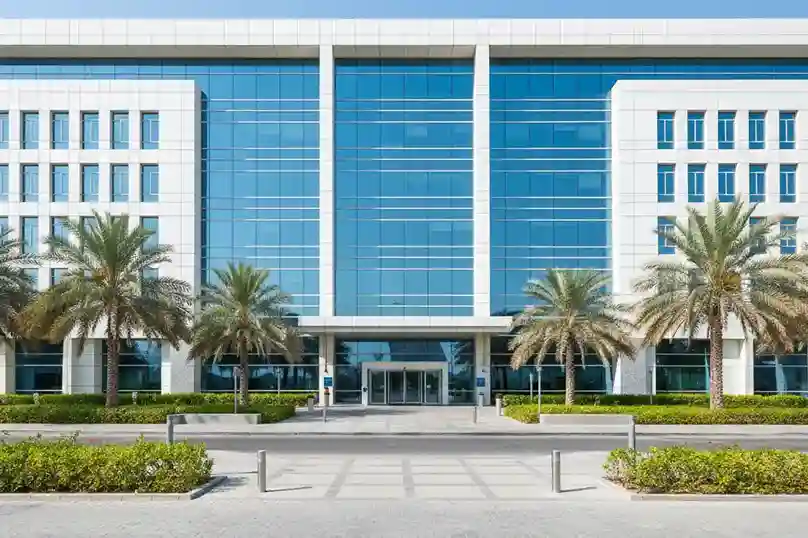
Commercial Buildings & Offices

Complete Engineering Department for Commercial Buildings & Offices in Dubai

Fully Managed • SLA-Backed • Compliance-Ready • Predictable Monthly Cost

Get Your Free Quote

Professional facility management services


    Why Commercial Buildings Choose SnapFixNow

    Pain → Solution (Optimized for Building Owners & FM Managers)

    High Cost of Multi-Discipline Staff

    → One Fixed Monthly Fee

    Commercial towers require HVAC + MEP + Civil + Electrical + BMS technicians. Managing these in-house means multiple salaries, visas, benefits, HR overheads, training & turnover costs.

    SnapFixNow Solution

    Unpredictable Breakdowns

    → Predictive Building Maintenance

    A single breakdown can cause tenant complaints, business interruption, elevator downtime, chiller issues, and reputation damage.

    SnapFixNow Solution

    Energy Waste & High Utility Bills

    → Energy Optimization Management

    Commercial buildings lose 20–30% energy due to dirty AHUs, poor chiller maintenance, inefficient schedules, leaking ducts, faulty sensors, and bad PPM practices.

    SnapFixNow Solution

    Compliance Risks

    → Full DCD, DEWA & Municipality Alignment

    Buildings face penalties if fire systems are not maintained, pumps are out of code, emergency lighting fails, or DCD documentation is missing.

    SnapFixNow Solution

    Vendor Chaos

    → Single Point Engineering Ownership

    Common corporate pains: hot/cold spots, noisy AC units, slow cooling, poor indoor air quality across office spaces today.

    SnapFixNow Solution

    Spare Parts Leakage

    → Digital Inventory Control

    Leakage and misuse are common in large buildings.

    SnapFixNow Solution

    No Engineering KPIs

    → Full Transparency

    Most building owners have no visibility on downtime, PPM completion, asset life cycle, spare parts consumption, or tenant-impact issues.

    SnapFixNow Solution

    The SnapFixNow Guarantee

    (Commercial Buildings)
    Corporate Offices

    The Fully Outsourced Engineering Department for Corporate Offices in Dubai

    (Tenants & HQ Buildings)

    "Zero Downtime. Perfect Workplace Experience. Fully Managed Engineering Operations."

    Modern offices require:

    But internal engineering teams struggle with:

    SnapFixNow solves all of it.

    We become your corporate office engineering team, ensuring a high-quality, interruption-free workplace environment for employees and visitors.

    Why Corporate Offices Choose SnapFixNow

    Workplace Comfort Issues

    → Guaranteed HVAC Performance

    Common corporate pains: hot/cold spots, noisy AC units, slow cooling, poor indoor air quality, discomfort for employees and constant complaints across office spaces.

    SnapFixNow Solution

    Frequent Small Issues

    → On-Site Daily Technician Presence

    Office productivity is damaged by lighting failures, power issues, door access problems, pantry equipment breakdown, and plumbing issues.

    SnapFixNow Solution

    Meeting Room / Facility Readiness

    Meeting Room / Facility Readiness → Proactive Checks Every Morning

    Before employees arrive, facilities need to be operational.

    SnapFixNow Solution

    A flawless workplace experience daily.

    Office Expansion / Relocation Support

    → Complete MEP & Engineering Planning

    Office changes create huge stress for management teams, adding complexity, pressure, additional coordination, and unexpected challenges during planning, execution, and ongoing operations.

    SnapFixNow Solution

    Zero Engineering Visibility

    → Monthly KPI Dashboards

    No insight into engineering performance.

    SnapFixNow Solution

    You finally see everything.

    Unpredictable Costs

    → No More Surprise Bills

    Engineering expenses are scattered and unpredictable, causing budget challenges, unexpected overspending and constant financial stress issues.

    SnapFixNow Solution

    Perfect for budget planning & cost control.

    The SnapFixNow Guarantee

    (Corporate Offices)

    Zero downtime impact to employees

    SLA-backed fast response

    Improved comfort, IAQ & reliability

    Daily on-site technician + supervision

    Predictable monthly fee

    Full reporting, dashboards & transparency

    PERFECT FOR THESE CORPORATE SPACES

    INDUSTRIES WE
    SERVE

    Developers (pre & post-handover)

    Property management firms

    Real estate groups

    Strata towers

    Mixed-use commercial buildings

    Office towers

    Case Studies

    Proven results from SLA-driven facility management projects across Dubai

    Case Study SnapFix Now

    Fountain & Lobby Enhancement

    CLIENT / LOCATION
    Corporate HQ DIFC
    CHALLENGE
    Lobby fountain failure impacted visitor experience.
    RESULT
    39% uptime achieved, positive client feedback
    View Case Study
    Energy Efficiency Solutions

    Energy Optimization Project

    CLIENT / LOCATION
    Hotel Apartments, Bur Dubai
    CHALLENGE
    High energy bills from inefficient HVAC operation.
    RESULT
    Energy savings of 22%, reduced OPEX
    View Case Study
    Painting on SnapFixNow

    Exterior Facade & Painting

    CLIENT / LOCATION
    Residential Tower, Al Nahda
    CHALLENGE
    Weather damaged facade reduced property appeal.
    RESULT
    Increased occupancy rates and reduced vacancy cycle
    View Case Study
    Parking Barriers

    Parking Barriers & Access Control

    CLIENT / LOCATION
    Business Park, Sharjah Free Zone
    CHALLENGE
    Barrier failures caused tenant access issues.
    RESULT
    Reduced downtime by 90%
    View Case Study
    Luxury Cleaning

    Post-Construction Cleaning – Luxury Project

    CLIENT / LOCATION
    Premium Developer, Downtown Dubai
    CHALLENGE
    Dust, joint residue, and adhesive marks delayed handovers.
    RESULT
    400 apartments handed over spotless in 5 weeks
    View Case Study
    OUR WORK

    See The Transformation

    Real results from our completed projects across Dubai. Drag the slider to compare before and after.
    before-hvac-DxRgjLKM after-hvac-CbtkH8vJ

    HVAC System Upgrade

    HVAC Installation
    before-cleaning-Dk6ROkAv after-cleaning-CgDmYM32

    Commercial Deep Cleaning

    Cleaning Service
    before-renovation-Bk64hXd3 after-renovation-21e1cJ_f

    Complete Apartment Renovation

    Renovation
    Want to see similar results for your property?
    WHY CHOOSE US

    Why Choose SnapFixNow

    We combine process, people and technology to deliver measurable outcomes that exceed expectations and drive continuous improvement for your business success.

    24/7 Support

    Round-the-clock availability for emergencies. Our dedicated team is always ready to respond to your facility needs, ensuring minimal downtime and maximum peace of mind.

    Certified Experts

    Highly trained and certified technicians with international standards compliance. Every team member undergoes rigorous training and holds relevant industry certifications.

    Guaranteed Results

    Quality-assured services with comprehensive warranties. We stand behind our work with performance guarantees and transparent SLA commitments for your complete satisfaction.

    Competitive Pricing

    Cost-effective solutions without compromising quality. Transparent pricing models, flexible payment options, and exceptional value for your facility management investment.

    ISO Certified

    ISO 9001:2015 Quality Management

    5+ Years

    Experience in Dubai

    500+ Clients

    Satisfied Customers

    Licensed & Insured

    Fully Certified Technicians

    99% Satisfaction

    Guarantee on All Services

    24/7 Support

    Emergency Response Available

    500+

    PROJECTS COMPLETED

    99%

    CLIENT SATISFACTION

    24/7

    HOUR AVAILABILITY

    50+

    EXPERT TECHNICIANS

    [ TESTIMONIALS ]

    REAL EXPERIENCES,
    REAL SATISFACTION

    Ahmed Al Mazrouei

    General Manager, InterContinental Hotel

    SnapFixNow is great for our hotel's maintenance and cleaning tasks. Using photos for communication is so easy and efficient for our team. I recommend SnapFixNow highly to any hotelier.

    ★★★★★

    Omar Al Ali

    Hospitality Business

    A fantastic product with great customer service. I've been with SnapFixNow for a few years now over two businesses and I will be continuing this relationship into the future. Highly recommended.

    ★★★★★

    AYESHA KHAN

    Facilities Manager, Jumeirah Hotels

    SnapFixNow has improved our maintenance team's productivity by approximately 30% and made it easy for non-facilities executive management to monitor our operations. A very efficient tool.

    ★★★★★

    MOHAMMED AL FALASI

    Facilities Manager

    Easy to use and saves time. Positive experience so far and the software has good potential to support our business needs in multiple ways going forward.

    ★★★★★

    Rohit Sharma

    Maintenance Head, Sofitel Dubai Downtown

    Excellent for our maintenance department. SnapFixNow makes it simple to assign tasks and follow up on completion across all staff.

    ★★★★★

    FATIMA AL SUWAIDI

    Facilities Manager, Dubai British School

    A really good facilities tool. All reactive work is logged efficiently and preventive maintenance is completed on schedule. Asset management features are excellent.

    ★★★★★
    SERVICE COVERAGE

    We Serve All Dubai

    Comprehensive facility management services across 15+ Dubai communities

    Downtown Dubai

    Premium

    Dubai Marina

    Residential

    Jumeirah Beach Residence

    Premium

    Business Bay

    Commercial

    Dubai Mall Area

    Commercial

    Arabian Ranches

    Residential

    Dubai Sports City

    Residential

    Palm Jumeirah

    Premium

    Emirates Hills

    Premium

    Dubai Silicon Oasis

    Residential

    International City

    Residential

    Deira

    Commercial

    Bur Dubai

    Residential

    Al Barsha

    Residential

    Jumeirah

    Premium

    FREQUENTLY ASKED

    Clients Asked Questions & Answers

    Find answers to the most common questions about our facility management services.

    Yes. We manage maintenance across shared services, common areas, and tenant spaces with structured coordination.
    We work with property management teams to schedule maintenance with minimal disruption to tenants.
    Property managers receive service reports, maintenance logs, and recommendations for corrective actions.
    Yes. SLAs are defined based on asset criticality and operational requirements.
    Yes. We support portfolio-based AMCs for clients managing multiple assets.

    Read the Latest Insights

    Explore trending topics to maintain and optimize your facilities, your most valuable business investment.

    Choose Top MEP Engineering Consultants In UAE

    Choose Top MEP Engineering Consultants In UAE

    Two proposals are on your desk. Both say they cover HVAC, electrical, plumbing, fire systems, and authority coordination. One is materially cheaper. The other asks harder questions about asset condition, operational constraints, and approvals. That’s usually the point where procurement teams in Dubai start dealing with ambiguity. When you’re selecting mep engineering consultants in uae, the real issue isn’t headline price. It’s whether the consultant can protect uptime, manage compliance risk, and reduce avoidable lifecycle cost in buildings that operate under heat, humidity, dust loading, tenant pressure, and strict authority requirements. In the UAE, the MEP services market was valued at $3,025.9 million in 2020 and is projected to grow at a 15.7% CAGR through 2030, while downtime in a premium hospitality venue can cost up to AED 100,000 per day according to PS Market Research’s UAE MEP services market analysis. A sound procurement decision has to look past scope labels and into method, capability, handover quality, and post-award control. Table of Contents An Executive Framework for Procuring MEP Consultants in Dubai Why low price often conceals higher operating risk A more defensible procurement lens Defining Scope Correctly Before Engaging Consultants Project consultancy and AMC work are not interchangeable What a usable scope looks like in Dubai buildings Preparing an RFP and Shortlisting Criteria for MEP Consultants What to ask for in the RFP What separates a shortlist from a vendor list Technical and Commercial Evaluation Checklists Technical review checklist Commercial review checklist Comparison of MEP Consultancy Pricing Models Onboarding Performance Management and Technology What good onboarding looks like Technology that improves control after award Risk Mitigation and Contingency Planning in Dubai Facilities Typical operational risks in Dubai assets A practical contingency matrix Frequently Asked Questions Q: How should facility managers compare mep engineering consultants in uae if every proposal looks similar? Q: Is the cheapest consultant always the riskiest option? Q: What matters most when procuring a consultant for an existing building rather than a new project? Q: Should one consultant handle both design and ongoing maintenance governance? Q: What should procurement teams ask during final interviews? An Executive Framework for Procuring MEP Consultants in Dubai Most weak procurement decisions start with a false assumption. They treat MEP consultancy as a commodity service, where one consultant’s output is broadly interchangeable with another’s. In practice, it isn’t. A consultant who prices aggressively by excluding surveys, authority coordination depth, live-site sequencing, or post-design clarifications can look efficient at tender stage. Later, the cost returns through design revisions, rejected submissions, tenant disruption, rushed procurement, and rectification work that should never have existed. Why low price often conceals higher operating risk In Dubai, the operating environment punishes poor coordination quickly. Chilled water systems, ventilation, electrical distribution, controls integration, and life safety systems all sit inside a compliance framework that doesn’t tolerate informal assumptions. If the consultant hasn’t properly defined loads, access routes, redundancy logic, or maintenance isolation strategy, the building team inherits the problem. That matters more in occupied assets than in empty sites. A hotel chief engineer, for example, doesn’t care whether the consultant saved fee at design stage if the resulting shutdown window disrupts guest floors. A retail operator doesn’t benefit from a low-cost concept package if authority comments push the programme into peak trading periods. A residential tower manager doesn’t want a “complete” scope that ignores resident communication, phased isolation, and snag close-out. Practical rule: If a proposal is much cheaper, look first for what has been omitted, not what has been optimised. A more defensible approach is to score consultancy bids against operational outcomes. That includes shutdown planning, authority readiness, documentation quality, handover completeness, and the consultant’s ability to support the FM team after technical decisions move from paper to plantroom. For organisations that need integrated building support beyond design procurement, it also helps to understand how consultancy interfaces with broader technical services company support in the UAE. A more defensible procurement lens A useful procurement lens has three filters: Risk containment: Can the consultant identify failure points before site work starts? Lifecycle logic: Does the design or recommendation reduce avoidable OPEX and premature asset stress? Compliance reliability: Can the consultant prepare documentation that stands up to authority review and site reality? That lens shifts the conversation. Fee still matters. It just stops being the only number that matters. Defining Scope Correctly Before Engaging Consultants A surprising amount of procurement waste comes from using the wrong contract model for the job. Teams ask a project consultant to solve what is a maintenance management problem, or they expect an AMC provider to behave like a design authority on a major retrofit. Those aren’t the same assignment. Project consultancy and AMC work are not interchangeable A project consultancy scope is usually appropriate when the building needs design judgement, authority submissions, major replacement planning, retrofit engineering, tender support, or interdisciplinary coordination. The output is typically drawings, calculations, specifications, sequencing plans, and technical review during execution. An AMC scope is operational. It covers preventive maintenance, corrective response, planned inspections, asset condition management, and recurring hard FM work under service levels. The difference is easiest to see in common Dubai scenarios: Chiller plant reconfiguration: This is project work. It needs engineering review, control strategy, phasing, and likely authority or specialist coordination. Routine coil cleaning, pump checks, valve inspection, and reactive attendance: This belongs in an AMC framework. Tenant fit-out impact on base building services: Usually project consultancy first, then operating integration under FM. Persistent nuisance alarms or recurring pump trips: Often an AMC issue first, unless root cause analysis points to design deficiency. The mistake is blending them into one vague brief. If the brief says “MEP consultant required for full support” without defining whether the assignment is design, maintenance governance, rectification oversight, or authority liaison, bidders will interpret the risk differently. You won’t get comparable proposals. What a usable scope looks like in Dubai buildings For a typical commercial tower or mixed-use building in Dubai, an AMC-oriented scope should identify systems, service

    April 15, 2026
    Mastering Vendor Registration UAE for FM Success

    Mastering Vendor Registration UAE for FM Success

    You’re often dealing with vendor registration uae at the worst possible moment. A tender window opens, a portfolio manager asks whether your FM company can onboard across multiple entities, or a hospitality client needs a compliant maintenance contractor already approved in the right portal. At that point, registration isn’t admin. It’s a revenue gate, a compliance filter, and a test of whether your operating model is procurement-ready. For facility management companies, the problem is rarely one missing form. It’s usually a mismatch between corporate setup, technical evidence, portal selection, and the buyer’s risk threshold. A firm may be capable of delivering hard FM, HVAC, MEP, and SLA-based response, but still fail onboarding because its documents don’t align, its licence structure restricts tender access, or its submission reads like a brochure instead of a controlled technical file. Table of Contents Executive Summary An Operational Perspective on UAE Vendor Registration Foundational Readiness Corporate Compliance and Certifications Why procurement teams scrutinise FM suppliers harder Core compliance items that need to reconcile Certifications as risk controls not ornaments How to Approach Vendor Registration in the UAE Key Portals Analyzed Federal procurement and broad tender access Emirate and entity portals require different operating assumptions ADNOC and specialist corporate portals demand technical maturity A practical portal selection matrix for FM companies Assembling Your Submission A Technical Document Framework Build the file in the order reviewers test risk What the technical pack needs to prove Document control before upload Mainland vs Free Zone Strategic Implications for Tender Eligibility Where licence structure affects access How to decide without overcommitting Mitigating Common Rejection Risks and Troubleshooting Where FM applications usually break down A practical self-audit before submission How to troubleshoot a rejection or clarification request Conclusion From Compliance Gateway to Operational Partner Frequently Asked Questions on UAE Vendor Registration Q: Which portal should an FM company prioritise first in vendor registration uae? Q: Is vendor registration enough to win FM tenders? Q: What documents usually cause the most avoidable delays? Q: Do free zone FM companies face limitations? Q: What makes an FM submission look stronger to procurement teams? Executive Summary An Operational Perspective on UAE Vendor Registration In UAE procurement, approved vendor status is less about form completion and more about buyer confidence. Government entities, semi-government organisations, and corporate asset owners want evidence that a facility management contractor can operate safely, document work correctly, maintain service continuity, and comply with financial and tax requirements without constant follow-up. That matters more in FM than in many other categories. Maintenance vendors interact with life-safety systems, critical HVAC assets, electrical infrastructure, water systems, building occupants, and emergency response workflows. In Dubai’s climate, where dust loading, humidity cycles, and heat stress accelerate wear on mechanical systems, procurement teams don’t just assess whether a supplier exists. They assess whether that supplier can sustain performance under pressure. The most effective approach to vendor registration uae is to treat it as a pre-qualification exercise, not a clerical task. The company structure has to fit the target tender environment. The document pack has to reconcile across trade licence, tax records, bank details, and authorised signatories. The technical submission has to show controlled delivery, not broad claims. A practical starting point is to map registration effort to service scope. A contractor pursuing one-off handyman work needs a different level of evidence from a firm seeking long-duration hard FM or facility management services in the UAE, where SLA governance, technician competency, rectification control, and reporting discipline become central to buyer evaluation. Vendor registration is where procurement first tests whether your operating discipline matches your commercial ambition. Foundational Readiness Corporate Compliance and Certifications If the base file is weak, the portal choice doesn’t matter. Procurement reviewers usually find inconsistency before they assess capability. Why procurement teams scrutinise FM suppliers harder FM companies create operational exposure for the client from day one. Their staff enter occupied sites, isolate systems, handle reactive faults, and interact with landlord, tenant, guest, and HSE procedures. That’s why buyers tend to examine governance in detail, especially where maintenance contracts affect uptime and compliance. A 2025 survey highlighted that 73% of UAE organisations manage over 300 vendors with minimal staff, which increases the need for clean registration paths and verified credentials rather than manual clarification during onboarding (GIQAC on vendor registration in UAE and ISO certification). In practical terms, overloaded procurement teams favour suppliers whose files are internally consistent and easy to validate. Practical rule: If a reviewer has to guess which document is current, the application is already weak. For FM firms, the discipline used in a formal pre-qualification questionnaire (PQQ) process becomes particularly important.bidwell.app/pre-qualification-questionnaire-tender/) becomes useful. The strongest submissions answer evaluator concerns before they’re asked. Core compliance items that need to reconcile Start with the company identity stack. Every portal will ask for variations of the same proof set, and any mismatch creates friction. Trade licence alignment matters first. The legal name, activity wording, licence validity, and issuing authority should match the application exactly. If your firm delivers MEP, HVAC, electrical, plumbing, or building maintenance, the licensed activities must support those services. VAT registration and TRN evidence must be current and readable. Several portals specifically ask for VAT documents, and reviewers compare these against invoices, bank details, and company identity. Financial standing records often determine whether the buyer sees your company as stable enough for recurring service obligations. Even when a portal doesn’t ask for extensive financial detail up front, major entities often do so during qualification. Authorised signatory control is frequently overlooked. The person signing declarations, code of conduct forms, or letters of undertaking must be traceable to company authority records. Insurance evidence should be current and scoped sensibly to your operating risk. Buyers typically check that the contractor understands workplace exposure, not just that a policy exists. A simple internal review sheet helps. Before any upload, compare every document against one master record containing legal entity name, address, licence number, VAT number, bank details, contact person, and signatory. Certifications as risk

    April 14, 2026
    Vendor Registration UAE: Win 2026 Government Contracts

    Vendor Registration UAE: Win 2026 Government Contracts

    A familiar problem sits behind most searches for vendor registration uae. A facility management company has the technicians, the licences, the insurances, and a decent private-sector client base, but growth has stalled. Government and semi-government contracts look attractive, yet the route in seems administrative, slow, and uncertain. That’s the wrong way to frame it. Vendor registration in the UAE is not clerical work. It’s a commercial filter. Procurement teams use it to test whether a contractor can survive the compliance load, document its controls, and deliver under SLA pressure in live assets such as towers, hotels, retail centres, and industrial sites. For FM operators, that means the registration decision has to be treated like a capital allocation decision. You’re committing management time, audit effort, document control discipline, and often process upgrades before you see any revenue. The question isn’t whether registration is “worth doing”. It’s which portals fit your service model, how much readiness work is needed first, and how long your business can carry that effort before the first viable RFQ lands. Existing UAE registration guidance often skips this operating reality, even though government entities can represent 30 to 40% of potential AMC contracts for FM companies, and buyers still need to weigh whether a major portal produces work in 2 weeks or 6 months for their specific business model (GIQAC). Table of Contents Executive Summary A Strategic Framework for UAE Vendor Registration Contract fit Working capital tolerance Operational maturity Prerequisite Compliance for UAE Vendor Registration Readiness starts before the portal Entity structure licence fit and tax position Financial proof is part of operational proof Core Documentation The Supplier's Bill of Materials What procurement is really checking Core Vendor Registration Document Checklist What strong submissions do differently Navigating Key UAE Procurement Portals A Comparative Analysis Federal procurement and broad public sector access Energy sector portals and pre qualification pressure Portal selection for FM contractors Post-Registration Strategy From Approved Vendor to Awarded Contract Approval is only a starting condition What buyers look for in FM tender responses Turning installed systems into bid evidence Troubleshooting Common Rejections and Delays Symptom cause and rectification Frequently Asked Questions Q: How important is vendor registration uae for FM contractors? Q: How fast can approval happen? Q: What usually causes delays? Q: Is registration enough to start winning contracts? Q: What should a property or facility manager ask a registered vendor? Executive Summary A Strategic Framework for UAE Vendor Registration For FM and MEP contractors, vendor registration uae should be treated as a staged investment rather than a compliance errand. The investment is front-loaded. The return is uncertain in timing, but potentially important in contract quality, payment security, and access to larger maintenance frameworks. Three commercial tests usually determine whether registration makes sense. Contract fit A business focused on ad hoc residential maintenance won’t benefit from the same portals as a contractor set up for planned preventive maintenance, multi-site mobilisation, and formal reporting. Government buyers usually favour firms that can evidence control, not just trade capability. Working capital tolerance Registration can move quickly on some systems, but speed of approval is not the same as speed to revenue. Internal document preparation, audit readiness, insurance alignment, and pre-qualification responses consume management time before any live tender appears. That matters for SMEs with payroll-heavy hard FM teams. Practical rule: Register where your existing service model already fits the buyer’s asset type, reporting expectations, and compliance burden. Don’t use registration to compensate for a weak operating model. Operational maturity A portal submission is really a compressed due diligence review. Buyers want to know whether your licence matches your scope, whether your tax and ownership records are clean, whether your financials are credible, and whether your quality controls are visible. In UAE building operations, that often extends to response management, permit discipline, preventive planning, and technical reporting quality. The strongest FM applicants don’t just upload documents. They present a controlled business. That means the trade licence aligns with delivered scope, the company profile reflects actual capability, the financial package is current, and the technical narrative matches how the business runs on site. If you approach registration with that mindset, the process becomes easier to prioritise. Some portals are worth immediate pursuit. Others should wait until your compliance base, bid library, and delivery evidence are mature enough to justify the effort. Prerequisite Compliance for UAE Vendor Registration The most expensive mistake in vendor registration is applying too early. Teams often focus on portal fields and forget that procurement officers are reviewing the operating entity behind the upload. Readiness starts before the portal A business is either structurally ready for registration or it isn’t. If the legal, tax, and financial baseline is weak, no amount of careful form-filling fixes it. A useful readiness screen looks like this: Licence match: Your trade licence activities should align with what you intend to bid for, especially in MEP, HVAC, electrical, plumbing, and maintenance-related categories. Tax clarity: VAT registration status, TRN records, and supporting certificates should be current and internally consistent. Authority chain: Signatories, Power of Attorney arrangements, and company ownership records need to be clear before any declaration is submitted. Document control: Expiry dates, signed templates, stamped forms, and file naming discipline should be centralised, not scattered across teams. The UAE federal system shows why front-end readiness matters. The Federal Supplier Register has grown to over 10,000 registered suppliers, and registration is mandatory for bidding on federal tenders. The Ministry of Finance states that approval time was reduced to one working day when compliance requirements are met (UAE Ministry of Finance Federal Supplier Register). Fast approval is possible. Unprepared applications still slow themselves down. Entity structure licence fit and tax position Mainland and free zone structures can both operate in the market, but the practical issue is tender fit and document acceptance, not theory. Buyers want to see that the entity submitting the bid has the legal right to perform the work, issue invoices correctly, and mobilise labour in the relevant emirate and

    April 14, 2026
    Structuring the Optimal MEP Service Package: A Guide for UAE Asset & Facility Managers

    Structuring the Optimal MEP Service Package: A Guide for UAE Asset & Facility Managers

    Executive Summary for Decision-Makers Selecting an MEP service package is a strategic decision that dictates operational expenditure (OPEX), asset lifecycle, and regulatory compliance. For asset owners and facility managers in the UAE, the optimal approach moves beyond simple cost comparison to a technical evaluation of service models, risk allocation, and performance metrics. This guide provides a framework for structuring a contract that aligns with the specific operational realities of a building, particularly the demands imposed by the UAE climate. Key considerations include the trade-offs between comprehensive and labor-only contracts, the formulation of robust Service Level Agreements (SLAs) with quantifiable KPIs, and a clear understanding of cost drivers. The objective is to secure a service framework that delivers cost predictability, manages operational risk, and preserves asset value. Deconstructing the Modern MEP Service Package Structuring a Mechanical, Electrical, and Plumbing (MEP) service package is a high-stakes decision that directly impacts operational expenditure (OPEX), asset lifecycle, and regulatory standing. For decision-makers in Dubai and across the UAE, this process must move far beyond a simple cost shootout and into a technical evaluation of service models, risk allocation, and performance metrics. The goal is to define a scope of work that is focused on a building’s specific operational realities—especially given the punishing local climate. In UAE conditions, high humidity, constant dust loading, and extreme heat cycles place an immense strain on HVAC systems, making proactive preventive maintenance and rapid emergency response critical to business continuity. The Growing Need for Technical Precision Market data underscores this increasing complexity. The Middle East and Africa (MEA) engineering services market outlook from Grand View Research indicates significant growth, with the UAE expected to show the region's highest rate. This points to a surging demand for robust MEP service agreements that can support both new infrastructure and aging facilities. This guide provides a technical framework for evaluating MEP contracts by focusing on the trade-offs between different service models. It will examine key considerations for: Preventive Planning: Aligning maintenance schedules with the realities of the UAE climate to minimize costly breakdowns and extend asset lifecycle. Compliance: Ensuring all work meets the stringent standards set by authorities like Dubai Municipality and Civil Defence. Service Level Agreements (SLAs): Crafting KPIs that genuinely drive provider performance and accountability. By mastering these components, decision-makers can structure an agreement that actively mitigates risk and ensures the long-term health of a building's most critical systems. Defining a Bulletproof Scope of Work for MEP Systems A vague or incomplete Scope of Work (SOW) is the single biggest source of conflict and surprise costs in facilities management, leading to "out-of-scope" charges, operational blind spots, and disputes. To structure an effective MEP service package, the SOW must be an exhaustive technical blueprint, not a high-level summary. Think of this document as the operational rulebook for your service provider. It must specify every asset to be maintained, the exact maintenance tasks required, and the frequency of those tasks. Any ambiguity left in the SOW represents a financial and operational risk that the asset owner will eventually bear. For example, specifying “monthly HVAC maintenance” is insufficient. A technically solid SOW details specific actions: checking refrigerant pressures, cleaning coils and filters, inspecting belts and motors, verifying thermostat calibration, and clearing condensate drain lines. This level of detail eliminates guesswork and establishes a clear benchmark for performance. HVAC Systems: The Climate-Critical Component In the UAE, HVAC is not about comfort; it is critical infrastructure. The maintenance schedule must be built around the extreme demands of high ambient temperatures, humidity, and dust loading. A robust HVAC scope must mandate: Pre-Summer and Post-Summer Servicing: Comprehensive overhauls before May and after September to prepare for and recover from peak cooling season. This must include deep cleaning of condenser coils, which can lose over 20% of their efficiency from dust and sand buildup alone. Quarterly PPM: This should cover tasks like fan motor lubrication, tightening electrical connections, and checking ductwork for integrity loss. Monthly Checks: These are an early warning system, focusing on filter replacement (or cleaning), condensate drain inspection, and an operational check to identify minor issues before they escalate. For 24/7 facilities like hotels or hospitals, specifying more frequent filter cleaning—sometimes bi-weekly during periods of high dust—is a prudent measure to protect indoor air quality and prevent efficiency losses. For a deeper analysis of this topic, a dedicated guide on structuring the best HVAC service package can provide targeted insights. Electrical and Plumbing System Integrity While HVAC often receives the most attention, a failure in electrical or plumbing systems can be equally catastrophic, posing risks of fire, major water damage, and serious compliance breaches. The SOW needs to explicitly list all major assets and the preventive actions required for each. Electrical System Checklist Main Distribution Boards (MDBs) & Sub-Main Distribution Boards (SMDBs): Annual thermal imaging is essential to detect hotspots in connections, which are often precursors to failure. Circuit Breakers & Fuses: Require annual testing and exercising to ensure they will trip under fault conditions. Earthing and Lightning Protection Systems: Need an annual inspection and test to verify integrity and ensure compliance with DEWA standards. Capacitor Banks: Mandate quarterly checks for swelling or leaks to maintain power factor correction and avoid utility penalties. Plumbing System Checklist Booster & Transfer Pumps: Quarterly inspections of seals, bearings, and pressure settings are non-negotiable for high-rise buildings. Water Tanks: Specify bi-annual cleaning and disinfection, with documented proof required to comply with Dubai Municipality regulations. Sump Pumps & Drainage Systems: Require quarterly operational tests, particularly before rainier seasons, to prevent flooding. Water Heaters: Annual descaling and safety valve checks are essential for both efficiency and safety. By itemizing tasks with this level of detail, the SOW is transformed from a loose agreement into a precise operational directive, providing a powerful defense against the out-of-scope service calls that erode OPEX budgets. Comprehensive vs. Labor-Only Contracts: A Scenario-Based Comparison Choosing between a comprehensive and a labor-only Annual Maintenance Contract (AMC) is a critical financial and operational decision for facility managers and

    March 28, 2026
    1 2 4 5 6 7 8 35 36

    Ready to Transform Your Building's Engineering Operations?

    Get a free engineering audit and discover how much you can save with SnapFixNow

    Call Now Button