SnapFixNow

Commercial Buildings & Offices

Complete Engineering Department for Commercial Buildings & Offices in Dubai

Fully Managed • SLA-Backed • Compliance-Ready • Predictable Monthly Cost

Get Your Free Quote

Professional facility management services


    Why Commercial Buildings Choose SnapFixNow

    Pain → Solution (Optimized for Building Owners & FM Managers)

    High Cost of Multi-Discipline Staff

    → One Fixed Monthly Fee

    Commercial towers require HVAC + MEP + Civil + Electrical + BMS technicians. Managing these in-house means multiple salaries, visas, benefits, HR overheads, training & turnover costs.

    SnapFixNow Solution

    Unpredictable Breakdowns

    → Predictive Building Maintenance

    A single breakdown can cause tenant complaints, business interruption, elevator downtime, chiller issues, and reputation damage.

    SnapFixNow Solution

    Energy Waste & High Utility Bills

    → Energy Optimization Management

    Commercial buildings lose 20–30% energy due to dirty AHUs, poor chiller maintenance, inefficient schedules, leaking ducts, faulty sensors, and bad PPM practices.

    SnapFixNow Solution

    Compliance Risks

    → Full DCD, DEWA & Municipality Alignment

    Buildings face penalties if fire systems are not maintained, pumps are out of code, emergency lighting fails, or DCD documentation is missing.

    SnapFixNow Solution

    Vendor Chaos

    → Single Point Engineering Ownership

    Common corporate pains: hot/cold spots, noisy AC units, slow cooling, poor indoor air quality across office spaces today.

    SnapFixNow Solution

    Spare Parts Leakage

    → Digital Inventory Control

    Leakage and misuse are common in large buildings.

    SnapFixNow Solution

    No Engineering KPIs

    → Full Transparency

    Most building owners have no visibility on downtime, PPM completion, asset life cycle, spare parts consumption, or tenant-impact issues.

    SnapFixNow Solution

    The SnapFixNow Guarantee

    (Commercial Buildings)
    Corporate Offices

    The Fully Outsourced Engineering Department for Corporate Offices in Dubai

    (Tenants & HQ Buildings)

    "Zero Downtime. Perfect Workplace Experience. Fully Managed Engineering Operations."

    Modern offices require:

    But internal engineering teams struggle with:

    SnapFixNow solves all of it.

    We become your corporate office engineering team, ensuring a high-quality, interruption-free workplace environment for employees and visitors.

    Why Corporate Offices Choose SnapFixNow

    Workplace Comfort Issues

    → Guaranteed HVAC Performance

    Common corporate pains: hot/cold spots, noisy AC units, slow cooling, poor indoor air quality, discomfort for employees and constant complaints across office spaces.

    SnapFixNow Solution

    Frequent Small Issues

    → On-Site Daily Technician Presence

    Office productivity is damaged by lighting failures, power issues, door access problems, pantry equipment breakdown, and plumbing issues.

    SnapFixNow Solution

    Meeting Room / Facility Readiness

    Meeting Room / Facility Readiness → Proactive Checks Every Morning

    Before employees arrive, facilities need to be operational.

    SnapFixNow Solution

    A flawless workplace experience daily.

    Office Expansion / Relocation Support

    → Complete MEP & Engineering Planning

    Office changes create huge stress for management teams, adding complexity, pressure, additional coordination, and unexpected challenges during planning, execution, and ongoing operations.

    SnapFixNow Solution

    Zero Engineering Visibility

    → Monthly KPI Dashboards

    No insight into engineering performance.

    SnapFixNow Solution

    You finally see everything.

    Unpredictable Costs

    → No More Surprise Bills

    Engineering expenses are scattered and unpredictable, causing budget challenges, unexpected overspending and constant financial stress issues.

    SnapFixNow Solution

    Perfect for budget planning & cost control.

    The SnapFixNow Guarantee

    (Corporate Offices)

    Zero downtime impact to employees

    SLA-backed fast response

    Improved comfort, IAQ & reliability

    Daily on-site technician + supervision

    Predictable monthly fee

    Full reporting, dashboards & transparency

    PERFECT FOR THESE CORPORATE SPACES

    INDUSTRIES WE
    SERVE

    Developers (pre & post-handover)

    Property management firms

    Real estate groups

    Strata towers

    Mixed-use commercial buildings

    Office towers

    Case Studies

    Proven results from SLA-driven facility management projects across Dubai

    Case Study SnapFix Now

    Fountain & Lobby Enhancement

    CLIENT / LOCATION
    Corporate HQ DIFC
    CHALLENGE
    Lobby fountain failure impacted visitor experience.
    RESULT
    39% uptime achieved, positive client feedback
    View Case Study
    Energy Efficiency Solutions

    Energy Optimization Project

    CLIENT / LOCATION
    Hotel Apartments, Bur Dubai
    CHALLENGE
    High energy bills from inefficient HVAC operation.
    RESULT
    Energy savings of 22%, reduced OPEX
    View Case Study
    Painting on SnapFixNow

    Exterior Facade & Painting

    CLIENT / LOCATION
    Residential Tower, Al Nahda
    CHALLENGE
    Weather damaged facade reduced property appeal.
    RESULT
    Increased occupancy rates and reduced vacancy cycle
    View Case Study
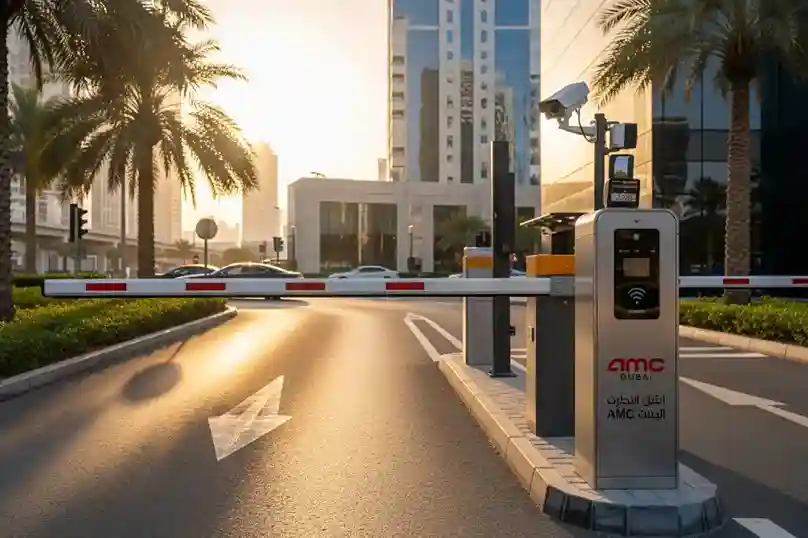
    Parking Barriers

    Parking Barriers & Access Control

    CLIENT / LOCATION
    Business Park, Sharjah Free Zone
    CHALLENGE
    Barrier failures caused tenant access issues.
    RESULT
    Reduced downtime by 90%
    View Case Study
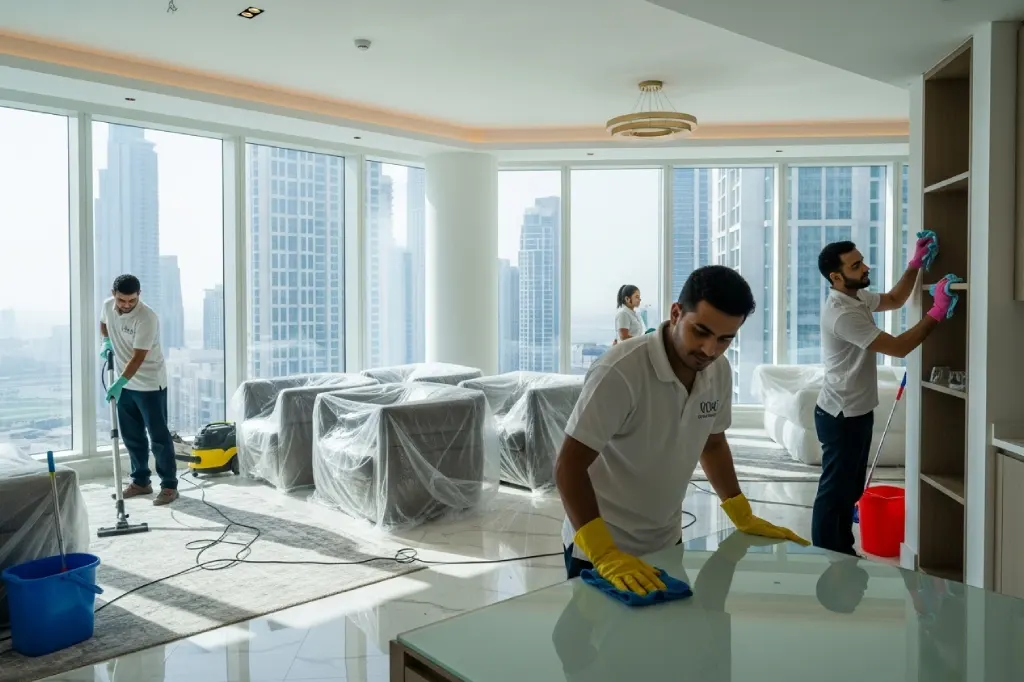
    Luxury Cleaning

    Post-Construction Cleaning – Luxury Project

    CLIENT / LOCATION
    Premium Developer, Downtown Dubai
    CHALLENGE
    Dust, joint residue, and adhesive marks delayed handovers.
    RESULT
    400 apartments handed over spotless in 5 weeks
    View Case Study
    OUR WORK

    See The Transformation

    Real results from our completed projects across Dubai. Drag the slider to compare before and after.
    before-hvac-DxRgjLKM after-hvac-CbtkH8vJ

    HVAC System Upgrade

    HVAC Installation
    before-cleaning-Dk6ROkAv after-cleaning-CgDmYM32

    Commercial Deep Cleaning

    Cleaning Service
    before-renovation-Bk64hXd3 after-renovation-21e1cJ_f

    Complete Apartment Renovation

    Renovation
    Want to see similar results for your property?
    WHY CHOOSE US

    Why Choose SnapFixNow

    We combine process, people and technology to deliver measurable outcomes that exceed expectations and drive continuous improvement for your business success.

    24/7 Support

    Round-the-clock availability for emergencies. Our dedicated team is always ready to respond to your facility needs, ensuring minimal downtime and maximum peace of mind.

    Certified Experts

    Highly trained and certified technicians with international standards compliance. Every team member undergoes rigorous training and holds relevant industry certifications.

    Guaranteed Results

    Quality-assured services with comprehensive warranties. We stand behind our work with performance guarantees and transparent SLA commitments for your complete satisfaction.

    Competitive Pricing

    Cost-effective solutions without compromising quality. Transparent pricing models, flexible payment options, and exceptional value for your facility management investment.

    ISO Certified

    ISO 9001:2015 Quality Management

    5+ Years

    Experience in Dubai

    500+ Clients

    Satisfied Customers

    Licensed & Insured

    Fully Certified Technicians

    99% Satisfaction

    Guarantee on All Services

    24/7 Support

    Emergency Response Available

    500+

    PROJECTS COMPLETED

    99%

    CLIENT SATISFACTION

    24/7

    HOUR AVAILABILITY

    50+

    EXPERT TECHNICIANS

    [ TESTIMONIALS ]

    REAL EXPERIENCES,
    REAL SATISFACTION

    Ahmed Al Mazrouei

    General Manager, InterContinental Hotel

    SnapFixNow is great for our hotel's maintenance and cleaning tasks. Using photos for communication is so easy and efficient for our team. I recommend SnapFixNow highly to any hotelier.

    ★★★★★

    Omar Al Ali

    Hospitality Business

    A fantastic product with great customer service. I've been with SnapFixNow for a few years now over two businesses and I will be continuing this relationship into the future. Highly recommended.

    ★★★★★

    AYESHA KHAN

    Facilities Manager, Jumeirah Hotels

    SnapFixNow has improved our maintenance team's productivity by approximately 30% and made it easy for non-facilities executive management to monitor our operations. A very efficient tool.

    ★★★★★

    MOHAMMED AL FALASI

    Facilities Manager

    Easy to use and saves time. Positive experience so far and the software has good potential to support our business needs in multiple ways going forward.

    ★★★★★

    Rohit Sharma

    Maintenance Head, Sofitel Dubai Downtown

    Excellent for our maintenance department. SnapFixNow makes it simple to assign tasks and follow up on completion across all staff.

    ★★★★★

    FATIMA AL SUWAIDI

    Facilities Manager, Dubai British School

    A really good facilities tool. All reactive work is logged efficiently and preventive maintenance is completed on schedule. Asset management features are excellent.

    ★★★★★
    SERVICE COVERAGE

    We Serve All Dubai

    Comprehensive facility management services across 15+ Dubai communities

    Downtown Dubai

    Premium

    Dubai Marina

    Residential

    Jumeirah Beach Residence

    Premium

    Business Bay

    Commercial

    Dubai Mall Area

    Commercial

    Arabian Ranches

    Residential

    Dubai Sports City

    Residential

    Palm Jumeirah

    Premium

    Emirates Hills

    Premium

    Dubai Silicon Oasis

    Residential

    International City

    Residential

    Deira

    Commercial

    Bur Dubai

    Residential

    Al Barsha

    Residential

    Jumeirah

    Premium

    FREQUENTLY ASKED

    Clients Asked Questions & Answers

    Find answers to the most common questions about our facility management services.

    Yes. We manage maintenance across shared services, common areas, and tenant spaces with structured coordination.
    We work with property management teams to schedule maintenance with minimal disruption to tenants.
    Property managers receive service reports, maintenance logs, and recommendations for corrective actions.
    Yes. SLAs are defined based on asset criticality and operational requirements.
    Yes. We support portfolio-based AMCs for clients managing multiple assets.

    Read the Latest Insights

    Explore trending topics to maintain and optimize your facilities, your most valuable business investment.

    Evaluating VRF/VRV System Maintenance Contracts in Dubai: A Technical Guide for Asset Managers

    Evaluating VRF/VRV System Maintenance Contracts in Dubai: A Technical Guide for Asset Managers

    This guide provides a technical framework for asset owners, facility managers, and procurement teams in Dubai to evaluate service models for VRF/VRV systems. It focuses on the operational and financial reasoning behind maintenance decisions, aiming to reduce ambiguity and quantify the impact of different service strategies on asset lifecycle, operational expenditure (OPEX), and regulatory compliance. Executive Summary for Decision-Makers VRF/VRV systems represent a significant capital investment, and their maintenance is a critical operational function, not an incidental cost. In Dubai's severe climate, the choice between maintenance models—primarily reactive (ad-hoc) versus preventive (contract-based)—directly impacts asset longevity, energy consumption, and budget predictability. A reactive approach introduces high financial volatility and operational risk, whereas a structured preventive maintenance plan, governed by a Service Level Agreement (SLA), is a risk mitigation tool. This guide deconstructs maintenance contracts, quantifies the impact of Dubai's climate, and provides a decision framework for selecting service providers based on technical competency and operational maturity, not just cost. Core Decision: Comparing Reactive vs. Preventive Service Models Every asset owner faces a fundamental choice: a reactive, "fix-when-broken" approach or a structured, preventive model. A reactive strategy may appear to lower upfront costs, but it introduces significant budget unpredictability and operational risk. In contrast, a preventive maintenance plan, typically through an Annual Maintenance Contract (AMC), focuses on stabilizing costs and minimizing downtime through planned interventions. A preventive model is an investment in operational stability. It shifts expenditure from unpredictable, high-cost emergency rectifications to planned, budgeted activities that protect asset value and ensure tenant comfort. The following table provides a comparative summary of the typical financial and operational impacts of these two maintenance models for VRF/VRV systems in a Dubai commercial setting. Metric Reactive Maintenance Model (Ad-Hoc) Preventive Maintenance Model (AMC) Budgeting Unpredictable; high variance in monthly OPEX due to unplanned rectification costs. Predictable; fixed annual or quarterly costs for planned maintenance activities. Asset Lifecycle Shortened by up to 20-30% due to unmanaged component wear and stress. Maximized; approaches or exceeds manufacturer's estimated operational life. Energy Costs Higher; gradual efficiency loss from fouling and calibration drift leads to OPEX creep. Optimized; regular servicing maintains peak efficiency and controls energy consumption. Downtime Risk High; catastrophic component failures cause extended and disruptive service outages. Low; potential faults are identified and rectified pre-failure during scheduled inspections. Tenant Satisfaction Lower; frequent comfort complaints and disruptions from system breakdowns. Higher; consistent system performance and thermal comfort are maintained. Total Cost of Ownership Higher over asset life due to costly emergency repairs and premature replacement. Lower over asset life by minimizing major component failure and extending asset utility. The comparison clarifies the strategic trade-off. The reactive model exposes budgets and operations to significant risk, while the preventive model provides the stability necessary to protect asset value and deliver consistent performance. The Impact of Dubai's Climate on VRF/VRV System Integrity Operating a Variable Refrigerant Flow/Volume (VRF/VRV) system in Dubai's T3 climate subjects it to conditions far exceeding standard design parameters. The combination of extreme ambient heat, high humidity, and significant airborne dust loading accelerates component degradation and demands a specialized approach to vrf/vrv system maintenance in dubai. Generic service plans are insufficient to mitigate the accelerated wear these systems face. The Triple Threat: High Heat, Dust, and Humidity Dubai's climate presents a compounding series of environmental stressors, each amplifying the others' effects and increasing the risk of premature system failure. Extreme Ambient Temperatures: With summer rooftop temperatures often exceeding ground-level readings, compressors and condenser fans operate at maximum capacity for prolonged periods. This sustained thermal stress accelerates the breakdown of motor windings, lubricants, and sensitive electronic boards. High Dust Loading: Airborne sand and construction particulates clog condenser coils, forming an insulating layer that severely impedes heat transfer. The system is forced to operate at higher pressures to achieve the required cooling load, increasing energy consumption and component strain. Humidity and Salinity: Coastal humidity carries corrosive salts that attack metal components, including coils, fins, and electrical contacts. The combination of salt-laden moisture and dust forms a dense, difficult-to-remove sludge on condenser units, crippling performance and causing corrosion that leads to refrigerant leaks. In UAE conditions, with ambient temperatures frequently exceeding 45°C, VRF systems are critical infrastructure. While units installed in the region are specified for T3 conditions (up to 52°C) with oversized condensers and hardened electronics, they are not immune to failure. Industry practice often shows that without rigorous preventive planning, failure rates can increase by 30-40% during peak summer months. Operational Consequences of Climatic Stress The impact of these environmental factors translates directly to the operational budget. Underestimating these climate-specific risks leads to a cascade of problems that increase OPEX and reduce asset value. For an asset manager, overlooking the climate's impact is a direct route to budget overruns and reduced asset longevity. The cost of frequent, proactive cleaning and inspection is fractional compared to the cost of emergency compressor replacement or addressing building-wide comfort complaints during a heatwave. A preventive strategy designed for these conditions is the only effective mitigation. For more detail, refer to this analysis of how HVAC maintenance scheduling must adapt to Dubai's climate. Quantifying the Impact on Asset Lifecycle and OPEX Neglecting climate-specific maintenance leads to predictable and costly outcomes across three primary areas: 1. Accelerated Energy Consumption (OPEX Creep)A condenser coil fouled with baked-on dust and salt can reduce a system's efficiency by up to 30%. For a large commercial property, this translates into a significant increase in DEWA bills, representing thousands of dirhams in avoidable costs monthly. 2. Reduced Asset LifespanA VRF/VRV system is a capital investment with an expected operational life of 15-20 years. In UAE conditions, without a maintenance plan adapted to local realities, this lifespan can be reduced by 30-40%. Continuous operation at high head pressures causes irreversible damage to the compressor—the system's most expensive component. 3. Increased Rectification CostsReactive rectification is invariably more expensive than preventive action. A scheduled coil cleaning is a minor OPEX line item. An emergency call-out for a system shutdown due to overheating involves

    March 15, 2026
    Water Cooled Chillers vs Air Cooled Chillers vs VRF System: A Technical Guide for UAE Asset Managers

    Water Cooled Chillers vs Air Cooled Chillers vs VRF System: A Technical Guide for UAE Asset Managers

    In the technical comparison of water-cooled chillers vs air-cooled chillers vs VRF systems for UAE assets, the primary trade-off is between peak efficiency and operational complexity. Water-cooled systems offer the highest theoretical energy efficiency for large-scale cooling but require significant water consumption and intensive maintenance. Air-cooled systems provide a practical balance of lower capital expenditure and operational simplicity, eliminating water dependency entirely. VRF systems deliver superior part-load efficiency and granular zoning control, making them optimal for assets with variable occupancy. Executive Summary for Facility Decision-Makers For asset owners, facility managers, and procurement teams in the UAE, selecting the appropriate HVAC technology is a critical decision that dictates long-term operational expenditure (OPEX), initial capital expenditure (CAPEX), and regulatory compliance. The choice between water-cooled chillers, air-cooled chillers, and Variable Refrigerant Flow (VRF) systems is not about identifying a single "best" solution. It is a strategic exercise in aligning system capabilities with specific asset requirements, site constraints, and lifecycle financial objectives. In the UAE's demanding climate, where ambient temperatures regularly exceed 45°C, these trade-offs are amplified. Water-cooled chillers can achieve an energy consumption reduction of up to 30% in large-scale applications, but their high water consumption is a significant operational and cost factor. Air-cooled chillers may present a 10-15% lower initial CAPEX for facilities under 500 TR but operate at a lower efficiency during peak heat. VRF systems can reduce OPEX by 20-30% in hospitality or mixed-use settings due to exceptional part-load performance, but their distributed architecture presents different maintenance challenges. A comprehensive evaluation requires a detailed analysis of understanding business sustainability principles and ensuring long-term asset resilience against climatic and operational stressors. System Comparison Matrix for UAE Operations This table summarizes the core operational and financial characteristics of each system to provide a framework for decision-making based on specific property profiles. Parameter Water-Cooled Chillers Air-Cooled Chillers VRF Systems Primary Technical Advantage Highest energy efficiency at full load. Lower CAPEX and simplified installation. Superior zoning and part-load efficiency. Typical Asset Lifespan 20–25+ years (installed indoors). 15–20 years (exposed to elements). 15–20+ years (modular design). Water Dependency High (requires cooling towers and makeup water). None. None (for air-cooled VRF configurations). Optimal Scale (UAE) Large-scale (>500 TR); district cooling, mega-malls. Mid-scale (150-500 TR); standalone commercial buildings. Small to large scale; ideal for zoned applications. Maintenance Profile High complexity; requires water treatment, legionella compliance, and tube cleaning. Moderate complexity; requires frequent coil cleaning and fan maintenance. High complexity due to distributed components; requires specialist diagnostics. This comparison highlights a clear pattern: the optimal choice depends on the project's scale, budget structure, and long-term operational strategy. Each system has a specific context where it provides the most logical technical and financial solution. Analyzing Performance Under UAE Climate Stress In the UAE, the performance of a cooling system is subjected to a severe combination of high ambient temperatures, elevated humidity cycles, and significant airborne dust loading. How a system performs under these specific stressors directly determines its real-world energy consumption, operational costs (OPEX), and overall reliability. This analysis directly impacts utility bills, demand charges, and the long-term health of the asset. Efficiency Metrics Under Heat Stress Performance evaluation relies on two core metrics: Coefficient of Performance (COP), which measures the ratio of cooling output to electrical input at a specific moment, and Integrated Part-Load Value (IPLV), which provides a more realistic annual efficiency profile by averaging performance at various load capacities. Water-Cooled Chillers: These systems consistently achieve the highest full-load COP in high-heat conditions. Their primary advantage lies in using evaporative cooling via cooling towers, allowing them to reject heat based on the lower wet-bulb temperature, not the higher ambient dry-bulb temperature. When Dubai's ambient temperatures exceed 45°C, this is a significant thermodynamic advantage. At peak load, water-cooled systems can be 20-30% more efficient than their air-cooled counterparts. Air-Cooled Chillers & VRF Systems: Both technologies reject heat directly into the ambient air, making their performance directly dependent on the dry-bulb temperature. As ambient temperature increases, their efficiency decreases, forcing the compressor to consume more electricity to deliver the same cooling capacity. While modern high-ambient models are designed to operate without tripping in these conditions, their COP will be inherently lower than a water-cooled system during the hottest hours of a UAE summer day. From an engineering perspective, the heat rejection medium is the defining factor. Water-cooled systems leverage the physics of evaporation to achieve a lower condensing temperature, which is a significant advantage in a desert climate. Air-cooled systems, including VRF, are in a direct thermodynamic conflict with high ambient temperatures, resulting in an unavoidable efficiency penalty. The Impact of Dust and Humidity Beyond heat, airborne dust and seasonal humidity present operational challenges that directly influence performance and dictate preventive maintenance strategies. Dust Loading:Fine particulate matter in the UAE's air is a primary antagonist for air-cooled equipment. This dust rapidly clogs the condenser coil fins on both air-cooled chillers and VRF outdoor units, acting as an insulating layer that impedes heat transfer. If not managed through a rigorous cleaning schedule, this fouling can degrade performance by 10-25%. This leads to higher energy bills, increased strain on the compressor, and a heightened risk of premature failure. Any service level agreement (SLA) for these assets must mandate quarterly, or even monthly, coil cleaning during high-dust periods to maintain design efficiency. Humidity Cycles:High humidity has a dual effect. For water-cooled systems, it provides the moisture necessary for efficient evaporation in the cooling tower but can also slightly decrease efficiency as the wet-bulb temperature rises. For air-cooled systems, humidity's direct impact on heat rejection is minimal. However, it significantly increases the dehumidification load on indoor units (FCUs or VRF fan coils), which drives up overall energy consumption. The large volume of condensate produced also requires diligent drain management to prevent blockages and water damage, a critical item for any maintenance contract. Performance Summary Under UAE Conditions Performance Factor Water-Cooled Chillers Air-Cooled Chillers VRF Systems Peak Load Efficiency (COP) Highest. Efficiency is sustained at high ambient temperatures due to evaporative cooling. Moderate.

    March 14, 2026
    A Guide to Heat Pump Maintenance Cost for UAE Commercial Assets

    A Guide to Heat Pump Maintenance Cost for UAE Commercial Assets

    Executive Summary For B2B decision-makers in Dubai and the UAE—including facility managers, asset owners, and procurement teams—forecasting heat pump maintenance cost is a critical part of managing operational expenditure (OPEX). A structured Annual Maintenance Contract (AMC) for a commercial heat pump typically ranges between AED 750 and AED 1,500 per unit annually. The final cost is determined by the service model, asset condition, and required Service Level Agreement (SLA). This guide provides a technical breakdown of maintenance cost structures, contract models, and risk allocation. It is designed to equip decision-makers with a framework for evaluating service providers and justifying preventive maintenance as a strategic investment in asset lifecycle management, operational continuity, and OPEX control. A Practical Breakdown of Heat Pump OPEX in the UAE Managing the operational expenditure (OPEX) tied to heat pump systems requires a structured, risk-based approach. For facility managers, asset owners, and procurement teams across the UAE, understanding the total cost of ownership is more operationally significant than the initial contract price. The true cost is a function of planned preventive actions and unplanned rectification works. This guide provides a technical breakdown of these costs, tailored to the demanding operational environment of the UAE. High heat, high dust loading, and significant humidity cycles place immense stress on HVAC assets, directly accelerating component wear and reducing efficiency. Without a rigorous preventive maintenance program, these factors dramatically increase the probability of system failure and unscheduled downtime. What This Financial Analysis Will Cover This analysis moves beyond surface-level pricing to examine the technical and commercial variables that influence long-term OPEX. The objective is to provide clarity on key operational and financial aspects for effective procurement and management. Breaking Down Cost Drivers: Dissecting the core components of maintenance expenditure, from labour and parts to diagnostics and compliance-related costs. Comparing Contract Models: Analysing the financial and operational trade-offs between different maintenance strategies, such as preventive versus reactive service models. Quantifying Financial Risk: Providing a framework for evaluating Service Level Agreements (SLAs), understanding penalty clauses, and assessing the financial risk tied to different contract scopes. Building a Financial Case: Demonstrating how to calculate the return on investment (ROI) of a structured maintenance program by factoring in energy savings, extended asset life, and reduced operational downtime. A proactive maintenance strategy is an investment in asset lifecycle management. Industry practice often shows that for every dirham spent on planned preventive maintenance, organisations can save multiple dirhams on future rectification works and energy waste. Ultimately, this guide equips B2B decision-makers with the operational reasoning and financial frameworks needed to procure maintenance services effectively. By understanding the underlying cost structures and risk profiles, you can secure a maintenance partner that delivers optimised performance and the lowest total cost of ownership—ensuring your assets remain compliant, efficient, and reliable. Breaking Down the Four Pillars of Maintenance Costs To achieve predictable operational expenditure (OPEX), the heat pump maintenance budget must be broken down into its core components. For any asset or facility manager in the UAE, deconstructing these costs is the first step toward building a low-risk, predictable maintenance strategy. The total cost is allocated across four primary categories: labour, parts and consumables, diagnostics, and compliance overhead. Each of these has distinct cost drivers and risks, particularly within Dubai’s demanding climate. Labour Costs and Technical Competency Labour is typically the largest single component of a maintenance invoice, often comprising 40-60% of the total cost. However, labour rates are not uniform. The final cost is a direct result of key operational variables: Technician Skill and Certification: A certified technician with OEM training commands a higher rate than a general subcontractor. This premium mitigates the risk of misdiagnosis, repeat visits, and non-compliant work. Specialist vs. Generalist Work: The hourly rate for troubleshooting a complex variable refrigerant flow (VRF) system integrated with a Building Management System (BMS) is significantly higher than for routine filter cleaning. The cost reflects the required technical skill set. Emergency Call-Out Premiums: Unplanned, after-hours emergency work is priced at a premium, typically 1.5x to 2.0x the standard hourly rate. A robust preventive maintenance plan is the most effective defence against these high-margin, reactive expenses. Parts, Consumables, and Supply Chain Risk The second major cost driver is replacement parts and consumables. While the UAE has a robust logistics infrastructure, supply chain disruptions can still impact OPEX. The main drivers include: Major Component Failure: High-value components like compressors, inverter boards, and reversing valves represent a significant financial liability. A single compressor failure can trigger a one-time cost of AED 5,000 to AED 10,000 before labour. Consumables and Refrigerant: Refrigerant is a critical consumable with a volatile price. The transition toward lower Global Warming Potential (GWP) refrigerants like R-32 introduces new handling protocols and equipment requirements that can influence service costs. Filters and Coils: In UAE conditions, high dust loading makes frequent filter changes and coil cleaning non-negotiable. Deferring this maintenance leads to a direct increase in energy consumption and utility costs. Cost Component Analysis for Commercial Heat Pump Maintenance in UAE For facility managers in Dubai, understanding cost allocation is crucial for budget defence and risk management. The table below breaks down the typical cost components for a mid-sized commercial heat pump system, showing what drives them and how to mitigate associated risks. Cost Component Primary Drivers Typical OPEX Contribution Risk Mitigation Strategy Labour Technician skill level, emergency call-outs, PPM frequency. 40-60% Comprehensive AMC with defined SLA response times; robust PPM schedule to reduce emergencies. Major Parts Asset age, operational stress (climate), quality of original installation. 15-25% Predictive maintenance (vibration analysis, thermal imaging); specifying OEM-grade parts. Consumables Air quality (filters), refrigerant leaks, system operating hours. 10-15% Regular PPM for leak detection and coil cleaning; bulk purchasing of standard filters. Diagnostics System complexity (VRF, BMS), intermittent faults, technician competency. 5-10% Partnering with a provider with a high first-time fix rate; photo-based reporting to track recurring issues. This analysis clarifies that a proactive approach, secured by a well-defined AMC, is the most effective strategy. It shifts expenditure from high-risk, reactive repairs toward

    March 13, 2026
    A Technical Guide to FM Cost Benchmarks in the UAE

    A Technical Guide to FM Cost Benchmarks in the UAE

    For decision-makers in the UAE facilities management market, FM cost benchmarks are not fixed prices. They are a strategic financial compass used to evaluate service contracts, justify OPEX, and manage operational risk. They provide a quantified range to gauge whether an Annual Maintenance Contract (AMC) proposal is commercially competitive or carries hidden risks to asset lifecycle, compliance, and performance. Executive Summary This guide provides a technical framework for property managers, asset owners, procurement teams, and engineering leaders in the UAE to evaluate FM costs. It moves beyond simple price comparison to a risk-based assessment of service models. Key takeaways include: Standardised Metrics are Essential: Costs must be normalised using appropriate metrics (AED/m², per asset, per occupant) to enable accurate, like-for-like comparisons. UAE-Specific Cost Drivers: The Dubai climate (heat, humidity, dust), building age, asset complexity, and stringent regulatory mandates (Dubai Civil Defense, Dubai Municipality) are primary drivers of cost variance. Contract Models Dictate Risk: The choice between comprehensive and labour-only contracts represents a direct trade-off between budget certainty (OPEX) and risk transfer. Low Bids Signal High Risk: Tenders significantly below established benchmarks often indicate scope gaps, non-compliance, or an unsustainable operating model, leading to future rectification costs and asset degradation. This document offers quantified guidance and operational reasoning to reduce decision ambiguity in FM procurement and budgeting. How to Measure and Structure FM Costs Before benchmarking facility management costs, it is critical to adopt a standardised unit of measure. This is the only way to conduct a true apples-to-apples comparison when evaluating tenders or structuring an operational budget. Choosing an inappropriate metric is a common error that leads to flawed analysis and suboptimal procurement outcomes. It allows providers to mask inflated costs within a unit of measure that does not align with the asset's operational profile. Correct metric selection is a fundamental financial control for any asset owner or facility manager. Cost Per Square Metre (AED/m²) The most common metric, Cost per Square Metre (AED/m²), is the standard for large portfolio assets where physical space is the primary cost driver—such as commercial office towers, retail centres, and large-scale residential communities. It functions by averaging total costs over the gross floor area (GFA), making it suitable for high-level financial planning. Its primary advantage is simplicity, providing a straightforward figure for portfolio-wide comparisons and initial budget drafts. However, this metric can obscure operational complexity. It may treat a simple open-plan office floor the same as a floor containing critical M&E systems, potentially leading to significant budget inaccuracies. Cost Per Asset For facilities defined by high-value, critical equipment, Cost per Asset is a more precise analytical tool. This approach is essential for industrial sites, data centres, and the complex M&E infrastructure of hotels and hospitals. In these environments, operational risk and maintenance expenditure are tied to specific assets like chillers, generators, fire pumps, or elevators. Costing per asset enables granular control, allowing for tracking the entire lifecycle cost of individual equipment—from preventive maintenance and rectification works through to eventual replacement. This method aligns the budget directly with asset performance and reliability, providing superior financial oversight on equipment that poses the greatest operational risk in the event of failure. Cost Per Occupant A third metric, Cost per Occupant, is increasingly relevant in high-density environments. This applies to co-working spaces, high-occupancy residential towers, and labour accommodations, where service demand is driven by human activity rather than square metres. While a natural fit for soft services like cleaning and security, it is also effective for hard services where high usage accelerates wear and tear. For example, the strain on water pumps and drainage systems in a densely populated residential building correlates more strongly with the number of residents than the building's GFA. Utilising this metric helps align OPEX with the actual service load, providing a more accurate picture of consumption-driven maintenance requirements. FM Costing Metrics: A Decision Framework Metric (Unit of Measure) Primary Application Advantages Limitations Cost per Square Metre (AED/m²) Large, uniform spaces: commercial offices, retail, large-scale residential. Simple for high-level budgeting and portfolio-wide comparisons. Widely understood in the market. Masks inefficiencies in complex buildings. Ignores usage intensity and asset density. Cost per Asset M&E-heavy and critical facilities: data centres, hospitals, industrial sites, hotels. Granular cost control. Directly links budget to asset performance, risk, and lifecycle. More complex to implement and track. Requires a detailed and accurate asset register. Cost per Occupant High-density environments where user demand drives costs: co-working spaces, residential towers. Aligns costs with actual service consumption. Effective for both soft services and usage-based hard services. Occupancy data can fluctuate, requiring regular updates. Less effective for asset-heavy, low-occupancy sites. Ultimately, selecting the correct metric depends on accurately reflecting the operational story of your asset. Effective data management is crucial, whether managing financial data or processing vendor payments. Implementing AP automation best practices can significantly improve financial control and data accuracy. Each metric provides a different lens for viewing operational spending. To understand how these financial structures fit into the broader context, you can learn more about facility management in the UAE in our detailed guide. The correct choice is determined by your asset's function, its risk profile, and your service delivery model. Primary Drivers of Hard FM Cost Variation in the UAE When facility managers in the UAE compare proposals for an Annual Maintenance Contract (AMC), significant price disparity is common. Two seemingly identical buildings can receive vastly different quotations, leading to the assumption that one vendor is overcharging. The reality is more complex; these cost differences are driven by the unique operational realities of each asset. The foundation of any property's operational budget is its hard services—the mechanical, electrical, and plumbing (MEP) systems, plus the building's structural and civil elements. This is where primary cost drivers reside. A simple comparison based on building size is a recipe for financial and operational miscalculation. The Unavoidable Impact of the UAE Climate The single greatest factor elevating hard FM costs in the UAE is the extreme climate. The combination of intense heat, high humidity cycles,

    March 12, 2026
    1 2 8 9 10 11 12 35 36

    Ready to Transform Your Building's Engineering Operations?

    Get a free engineering audit and discover how much you can save with SnapFixNow

    Call Now Button