SnapFixNow

Hospitality – Hotels, Resorts & Holiday Homes

The Complete Engineering Department for Hotels & Resorts in Dubai

Fully Managed • SLA-Backed • Total Risk Transfer • One Predictable Monthly Cost

Get Your Free Quote

Professional facility management services


    Hotels operate 24/7 — and your engineering challenges never sleep. Managing an in-house engineering team means a nonstop cycle of:

    Hiring

    Skill gaps

    Compliance

    Emergency breakdowns

    Vendor chaos

    Training

    Overtime

    Spare parts leakage

    Warranty losses

    Budget shocks

    SnapFixNow replaces this entire model.

    We become your hotel’s fully outsourced engineering department — delivering certified technicians, digital systems, 24/7 emergency support, procurement, store control, compliance management, warranty protection, and full KPI accountability.
    You focus on guests. We take full responsibility for engineering.

    Why Hotels Choose SnapFixNow

    Pain → Solution (Optimized for Hospitality Management)

    1. High Salary Cost for Multi-Skill Engineering Staff

    → ONE Predictable Monthly Contract

    Hotels must maintain an internal team of HVAC, MEP, Electricians, Plumbers, Carpenters, General Technicians, Storekeeper, Supervisor, and Coordinator. This results in 7–10 salaries, visas, benefits, HR overheads, training costs, accommodation, uniforms, sick leave coverage, and unexpected replacement hires.

    SnapFixNow Solution

    2. Skill Gap & Technical Expertise Loss

    → Guaranteed Access to Certified Specialists

    Hotels commonly recruit junior staff due to tight budget constraints, but once these employees are trained and gain valuable experience, they often move on to better-paying roles elsewhere. This creates a continuous cycle of turnover, affecting consistency, service quality, and operational efficiency.

    SnapFixNow Solution

    3. Inconsistent Service Quality

    → ISO-Grade Maintenance Standards

    Untrained staff miss PPM tasks, perform temporary repairs, or rely on reactive firefighting.

    SnapFixNow Solution

    4. Unpredictable Spare Part Costs

    → Controlled & Budgeted Engineering OPEX

    Hotels overspend due to misdiagnosis, unnecessary replacements, and supplier markups.

    SnapFixNow Solution

    5. Spare Parts Leakage & Store Mismanagement

    → Digital Inventory Control

    Hotels often face misuse or theft, wrong issuance, dead stock, unverified GRN, and lost warranty documentation.

    SnapFixNow Solution

    6. Warranty Claim Losses

    → Full Warranty Management

    Hotels lose important warranties because invoices get lost, serial numbers are not tracked properly, and required service history records are often missing.

    SnapFixNow Solution

    7. 3rd Party Supplier Chaos

    → One Point of Responsibility

    Hotels manage 10+ AMC vendors: Lifts, Fire, Chillers, Pumps, BMS, CCTV, Access Control, Pool, Laundry, Kitchen, Pest Control, Grease Trap, Water Treatment.

    SnapFixNow Solution

    The SnapFixNow Guarantee

    Hospitality Excellence

    The SnapFixNow Guarantee

    Hospitality Excellence

    Reduced engineering cost vs. in-house teams

    100% PPM compliance

    Transparent digital dashboards

    Energy optimization (10–20% savings)

    Zero guest-impact downtime

    Full compliance (DCD, DEWA, Municipality)

    Warranty recovery & protection

    BEST SUITED

    [ OUR EXPERTISE ]

    INDUSTRIES WE
    PROUDLY SERVE

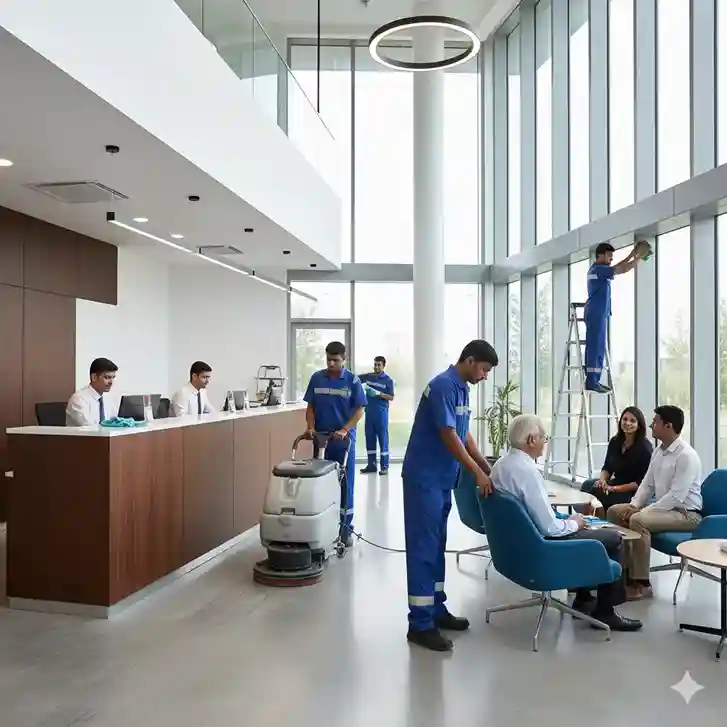
    Banking Service

    Banking

    Reliable cleaning & handyman support to maintain secure, professional, and welcoming banking spaces.

    Get a Quote
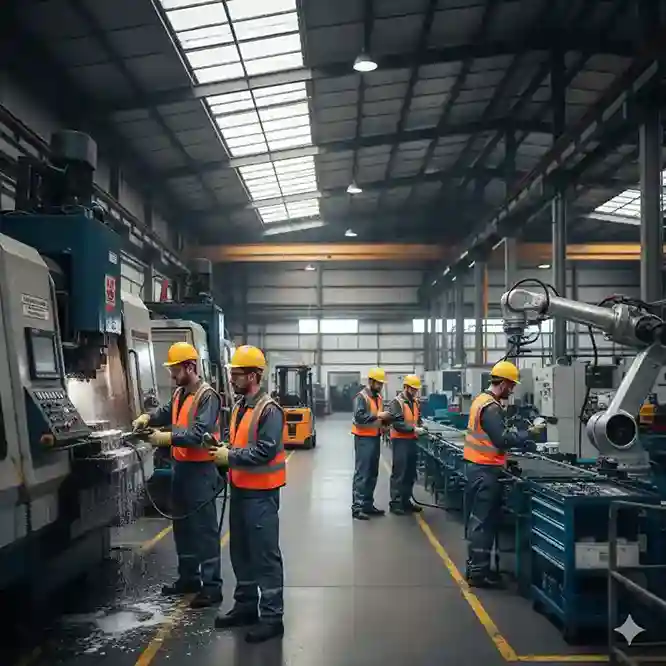
    Industrial Service

    Industrial / Manufacturing

    Deep cleaning, safety-focused maintenance, and equipment care tailored for factories and industrial sites.

    Get a Quote
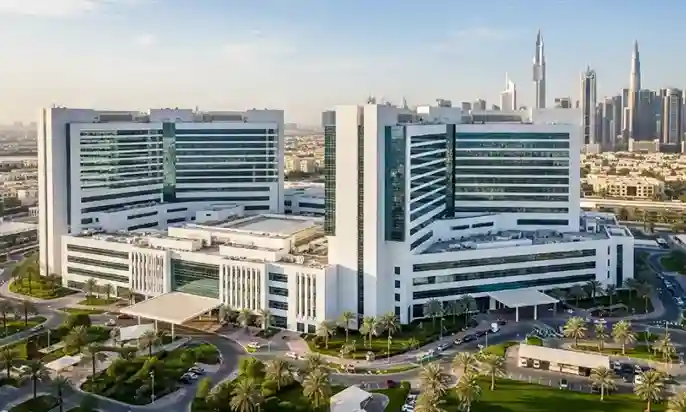
    Hospital exterior building view.

    Hospitality

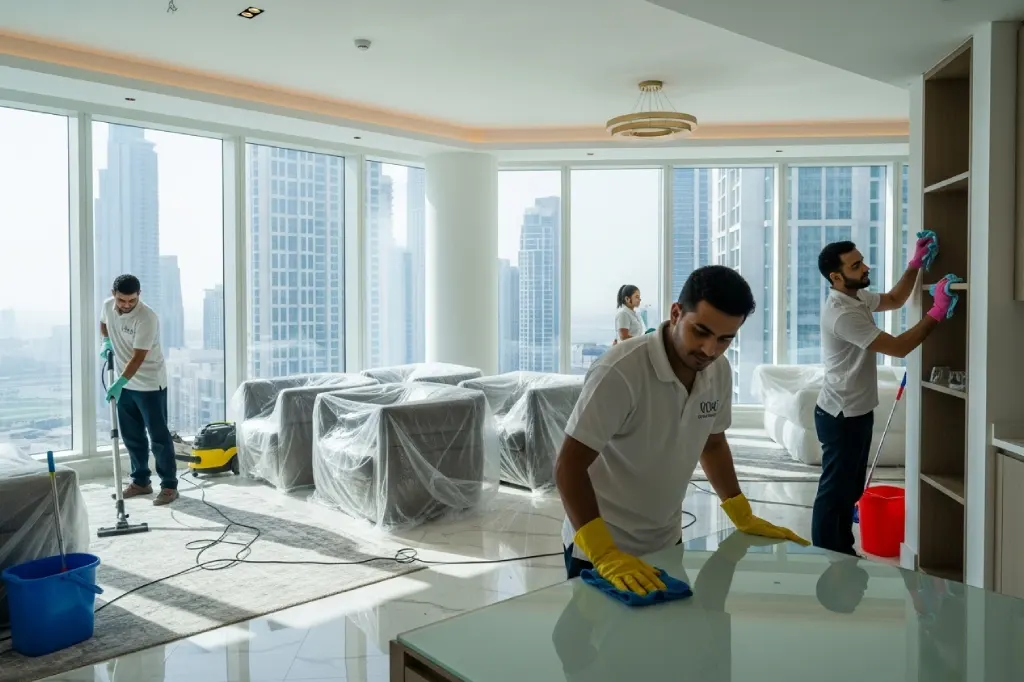
    Complete housekeeping & facility services that enhance guest experience and maintain 5-star cleanliness.

    Get a Quote
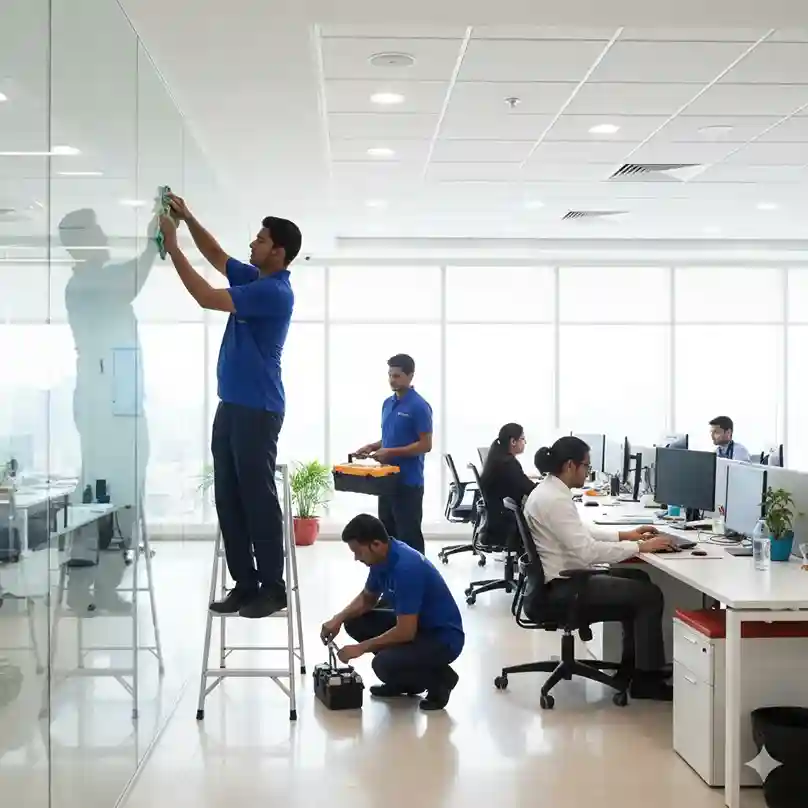
    Office Service

    Office

    End-to-end office maintenance including cleaning, repairs, and handyman services for productivity boost.

    Get a Quote
    Commercial Service

    Commercial

    Full-scale commercial facility management with cleaning, handyman repairs, and regular maintenance support.

    Get a Quote
    Residential Service

    Multi-Unit Residential

    Property upkeep, common area cleaning, and handyman services for apartments & housing societies.

    Get a Quote
    Non-Profit Service

    Non-Profit

    Affordable facility services for NGOs & community centers ensuring clean, safe, and welcoming spaces.

    Get a Quote

    Case Studies

    Proven results from SLA-driven facility management projects across Dubai

    Case Study SnapFix Now

    Fountain & Lobby Enhancement

    CLIENT / LOCATION
    Corporate HQ DIFC
    CHALLENGE
    Lobby fountain failure impacted visitor experience.
    RESULT
    39% uptime achieved, positive client feedback
    View Case Study
    Energy Efficiency Solutions

    Energy Optimization Project

    CLIENT / LOCATION
    Hotel Apartments, Bur Dubai
    CHALLENGE
    High energy bills from inefficient HVAC operation.
    RESULT
    Energy savings of 22%, reduced OPEX
    View Case Study
    Painting on SnapFixNow

    Exterior Facade & Painting

    CLIENT / LOCATION
    Residential Tower, Al Nahda
    CHALLENGE
    Weather damaged facade reduced property appeal.
    RESULT
    Increased occupancy rates and reduced vacancy cycle
    View Case Study
    Parking Barriers

    Parking Barriers & Access Control

    CLIENT / LOCATION
    Business Park, Sharjah Free Zone
    CHALLENGE
    Barrier failures caused tenant access issues.
    RESULT
    Reduced downtime by 90%
    View Case Study
    Luxury Cleaning

    Post-Construction Cleaning – Luxury Project

    CLIENT / LOCATION
    Premium Developer, Downtown Dubai
    CHALLENGE
    Dust, joint residue, and adhesive marks delayed handovers.
    RESULT
    400 apartments handed over spotless in 5 weeks
    View Case Study
    OUR WORK

    See The Transformation

    Real results from our completed projects across Dubai. Drag the slider to compare before and after.
    before-hvac-DxRgjLKM after-hvac-CbtkH8vJ

    HVAC System Upgrade

    HVAC Installation
    before-cleaning-Dk6ROkAv after-cleaning-CgDmYM32

    Commercial Deep Cleaning

    Cleaning Service
    before-renovation-Bk64hXd3 after-renovation-21e1cJ_f

    Complete Apartment Renovation

    Renovation
    Want to see similar results for your property?
    WHY CHOOSE US

    Why Choose SnapFixNow

    We combine process, people and technology to deliver measurable outcomes that exceed expectations and drive continuous improvement for your business success.

    24/7 Support

    Round-the-clock availability for emergencies. Our dedicated team is always ready to respond to your facility needs, ensuring minimal downtime and maximum peace of mind.

    Certified Experts

    Highly trained and certified technicians with international standards compliance. Every team member undergoes rigorous training and holds relevant industry certifications.

    Guaranteed Results

    Quality-assured services with comprehensive warranties. We stand behind our work with performance guarantees and transparent SLA commitments for your complete satisfaction.

    Competitive Pricing

    Cost-effective solutions without compromising quality. Transparent pricing models, flexible payment options, and exceptional value for your facility management investment.

    ISO Certified

    ISO 9001:2015 Quality Management

    5+ Years

    Experience in Dubai

    500+ Clients

    Satisfied Customers

    Licensed & Insured

    Fully Certified Technicians

    99% Satisfaction

    Guarantee on All Services

    24/7 Support

    Emergency Response Available

    500+

    PROJECTS COMPLETED

    99%

    CLIENT SATISFACTION

    24/7

    HOUR AVAILABILITY

    50+

    EXPERT TECHNICIANS

    [ TESTIMONIALS ]

    REAL EXPERIENCES,
    REAL SATISFACTION

    Ahmed Al Mazrouei

    General Manager, InterContinental Hotel

    SnapFixNow is great for our hotel's maintenance and cleaning tasks. Using photos for communication is so easy and efficient for our team. I recommend SnapFixNow highly to any hotelier.

    ★★★★★

    Omar Al Ali

    Hospitality Business

    A fantastic product with great customer service. I've been with SnapFixNow for a few years now over two businesses and I will be continuing this relationship into the future. Highly recommended.

    ★★★★★

    AYESHA KHAN

    Facilities Manager, Jumeirah Hotels

    SnapFixNow has improved our maintenance team's productivity by approximately 30% and made it easy for non-facilities executive management to monitor our operations. A very efficient tool.

    ★★★★★

    MOHAMMED AL FALASI

    Facilities Manager

    Easy to use and saves time. Positive experience so far and the software has good potential to support our business needs in multiple ways going forward.

    ★★★★★

    Rohit Sharma

    Maintenance Head, Sofitel Dubai Downtown

    Excellent for our maintenance department. SnapFixNow makes it simple to assign tasks and follow up on completion across all staff.

    ★★★★★

    FATIMA AL SUWAIDI

    Facilities Manager, Dubai British School

    A really good facilities tool. All reactive work is logged efficiently and preventive maintenance is completed on schedule. Asset management features are excellent.

    ★★★★★
    SERVICE COVERAGE

    We Serve All Dubai

    Comprehensive facility management services across 15+ Dubai communities

    Downtown Dubai

    Premium

    Dubai Marina

    Residential

    Jumeirah Beach Residence

    Premium

    Business Bay

    Commercial

    Dubai Mall Area

    Commercial

    Arabian Ranches

    Residential

    Dubai Sports City

    Residential

    Palm Jumeirah

    Premium

    Emirates Hills

    Premium

    Dubai Silicon Oasis

    Residential

    International City

    Residential

    Deira

    Commercial

    Bur Dubai

    Residential

    Al Barsha

    Residential

    Jumeirah

    Premium

    FREQUENTLY ASKED

    Clients Asked Questions & Answers

    Find answers to the most common questions about our facility management services.

    Yes. We support HVAC, electrical, plumbing, and general maintenance aligned with guest comfort and operational continuity.
    Yes. We prioritize failures affecting guest experience based on defined SLAs and site escalation processes.
    Yes. Our teams operate with controlled access, clean work practices, and minimal disruption in guest environments.
    Yes. Preventive maintenance is structured to reduce downtime, improve reliability, and avoid peak-time breakdowns.
    Yes. We provide service documentation, recurring issue tracking, and corrective recommendations.

    Read the Latest Insights

    Explore trending topics to maintain and optimize your facilities, your most valuable business investment.

    A Technical Guide to Building Maintenance Costs for UAE Asset Managers

    A Technical Guide to Building Maintenance Costs for UAE Asset Managers

    Executive Summary for Decision-Makers For property managers, asset owners, and engineering leaders in the UAE, forecasting and controlling building maintenance operational expenditure (OPEX) is a critical function with direct impact on asset value. Viewing maintenance as a pure cost-cutting exercise introduces significant operational and financial risk, leading to premature asset failure, non-compliance penalties, and degraded service levels that affect tenants and guests. This guide provides a technical and financial framework for strategic asset management. Effective maintenance is an investment in protecting asset lifecycle, ensuring operational resilience, and maintaining regulatory compliance. This document deconstructs cost drivers, models, and contractual structures to reduce decision ambiguity and equip decision-makers with quantified, risk-based guidance for the UAE market. A Technical Framework for Analysing Building Maintenance Costs This guide serves as a financial and technical analysis tool for leaders managing high-value UAE properties. It provides a structured framework for framing maintenance as a strategic function that safeguards the asset's financial performance. Primary Focus Areas To build a financially sound maintenance strategy, the core components must be deconstructed and analysed. This guide focuses on three key areas: Core Cost Drivers: A detailed breakdown of what comprises a maintenance budget, quantifying labour, materials, and specialist sub-contracts for critical systems like elevators and fire safety. Service Model Impact: A comparative analysis of the financial and operational consequences of choosing a preventive, SLA-driven model versus a reactive, ad-hoc approach, clarifying trade-offs between short-term savings and long-term risk. Contractual Structures: An examination of how different Annual Maintenance Contract (AMC) structures, such as comprehensive versus labour-only, allocate risk and influence performance outcomes. From an engineering standpoint, the objective is to transition from unpredictable "run-to-failure" cycles to a predictable, data-driven maintenance programme. This shift directly protects asset value and ensures operational continuity, which are paramount in premium commercial and hospitality environments. This overview sets the stage for a detailed examination of quantified benchmarks, frameworks for evaluating contracts, and operational best practices tailored specifically for the UAE's unique climate and regulatory landscape. Deconstructing Maintenance OPEX and UAE Cost Benchmarks To build a reliable budget, the single lump-sum figure must be deconstructed. For any high-value asset in the UAE, maintenance OPEX is a composite of distinct cost centres that facility managers and procurement teams must analyse individually to set realistic budgets and scrutinise proposals. Breaking down these costs provides transparency into resource allocation. Each component carries its own risk profile and performance impact, and understanding their typical allocation is key to validating contractor bids and forecasting annual spend. Core Cost Components A typical maintenance budget allocates funds across four primary categories. The allocation percentage will vary based on building type, age, and contractually defined service levels. Labour Costs: This covers salaries and overheads for technicians, supervisors, and support staff (in-house or outsourced). It frequently constitutes 40-55% of a comprehensive maintenance budget. Materials & Consumables: This includes spare parts for rectification, HVAC filters, lubricants, and other operational supplies. A robust preventive maintenance (PPM) plan often increases this cost initially but reduces non-budgeted emergency parts expenditure over the asset lifecycle. Specialist Subcontracting: Certain critical systems mandate manufacturer-certified or legally required specialists. This covers elevators, fire alarm and fighting systems (as mandated by Dubai Civil Defence), complex chiller plants, and Building Management Systems (BMS). These are often fixed, non-negotiable costs. Management & Overhead: This covers the service provider's administrative costs, compliance management, technology platforms, and profit margin. A transparent proposal will clearly delineate this, typically ranging from 10-18% of the total contract value. A common procurement error is focusing excessively on reducing headline labour cost. This is often a false economy, potentially leading to the deployment of less-qualified staff, resulting in higher repeat failure rates, increased long-term material costs, and greater operational risk. A well-structured budget is aligned with strategic objectives. As the infographic below illustrates, it protects the asset's life, ensures operational resilience, and maintains compliance. These three pillars—asset lifecycle, resilience, and compliance—justify maintenance OPEX and form the foundation of a strategic approach that protects the investment. UAE Cost Benchmarking by Asset Type While each building is unique, industry benchmarks provide an essential starting point for budgeting in the UAE. These figures, typically presented as AED per square metre per year, reflect the impact of the regional climate and the service standards expected for different property classes. These ranges cover total annual cost for comprehensive maintenance, excluding utilities. Grade A Commercial Towers: In UAE conditions, costs for these properties typically range between AED 65 to AED 110 per sq. m. annually. Buildings with complex, integrated BMS and high-efficiency HVAC systems trend towards the higher end of this range due to specialist labour requirements. High-Rise Residential Towers: Budgets often fall between AED 45 to AED 75 per sq. m. per year. Key cost drivers are high-usage systems like HVAC, plumbing, electrical, and elevator maintenance. 5-Star Hotels: This asset class requires the highest maintenance OPEX, typically from AED 120 to AED 180 per sq. m. The need for 24/7 operational readiness, stringent guest comfort standards, and immediate rectification justifies this premium spend. Maintenance OPEX Allocation by Building Type: A Comparative Matrix Budget allocation shifts significantly based on property type. The table below illustrates how percentage spend on HVAC, MEP, and labour changes according to the building’s operational demands and complexity. Cost Category Grade A Commercial Office (% of Total OPEX) 5-Star Hotel (% of Total OPEX) High-Rise Residential Tower (% of Total OPEX) Key Operational Considerations HVAC (PPM & Corrective) 30-40% 35-45% 25-35% Hotels prioritise guest comfort, driving higher HVAC spend. Commercial offices require consistent performance during business hours. MEP Systems (Electrical, Plumbing) 20-25% 25-30% 20-30% Hotels and residential towers see higher MEP usage and wear from 24/7 occupancy, particularly in plumbing and electrical systems. Specialised Systems (Fire, Lifts) 10-15% 10-15% 15-20% High-rise residential towers have a higher allocation due to the intense usage and critical safety function of elevators. Labour & Supervision 15-20% 10-15% 15-20% Hotels often have dedicated on-site teams, but the per-asset labour cost is balanced against the higher overall OPEX. Management & Overhead

    March 11, 2026
    An Engineering Perspective on HVAC Maintenance Cost & Risk for UAE Assets

    An Engineering Perspective on HVAC Maintenance Cost & Risk for UAE Assets

    Executive Summary For asset owners, facility managers, and procurement leaders in Dubai and the UAE, HVAC maintenance is a critical operational expenditure (OPEX) that directly influences asset value, regulatory compliance, and business continuity. This guide provides a technical framework for evaluating HVAC maintenance costs beyond simple price comparisons. It focuses on risk-based decision-making, comparing contract models (Reactive, Preventive, Comprehensive), and quantifying the financial impact of maintenance strategies on asset lifecycles. By analyzing Service Level Agreements (SLAs), Key Performance Indicators (KPIs), and total cost of ownership (TCO), decision-makers can structure contracts that mitigate operational risk, ensure budget predictability, and defer significant capital expenditure (CAPEX). A Consultant's View on HVAC Maintenance Costs For property managers, asset owners, and procurement leaders in Dubai, viewing HVAC maintenance through an operational and risk-based lens is essential. The true cost of ownership extends far beyond the service provider's invoice; it encompasses asset lifecycle value, energy consumption, and the financial exposure associated with unplanned downtime. The primary objective is to transition from reactive, unpredictable spending to proactive, data-driven investments that align maintenance OPEX with long-term asset management objectives. This guide provides a framework to deconstruct these costs, demonstrating how specific procurement decisions directly impact both operational expenditure (OPEX) and capital expenditure (CAPEX) planning. Key Variables Influencing Cost and Risk Several factors directly shape HVAC maintenance budgets in the UAE. Each represents a trade-off between upfront cost and the long-term operational and financial risk the asset owner assumes. Contract Model: The choice between a reactive, preventive, or comprehensive contract structure fundamentally alters budget predictability and risk profile. A comprehensive Annual Maintenance Contract (AMC) requires a higher initial investment but mitigates the financial impact of unforeseen major component failures and associated downtime. Asset Age and Condition: Legacy systems or those with a history of deferred maintenance require more intensive—and therefore more costly—preventive and corrective actions to maintain operational reliability and compliance. Climate Impact: The UAE’s high ambient temperatures, humidity cycles, and significant airborne dust loading place extreme stress on HVAC components. This accelerates wear and tear, necessitating more frequent and thorough preventive maintenance to sustain design performance and efficiency. For senior decision-makers, the critical insight is this: the lowest-priced maintenance contract often carries the highest total cost of ownership. This is because it transfers the risk of equipment failure, energy inefficiency, and non-compliance directly back to the asset owner. An informed approach evaluates how a service model supports operational continuity. It is not merely a verification of a PPM schedule, but an assessment of a provider's capacity for rapid rectification, their technical understanding of Dubai Municipality regulations, and their ability to execute a plan that extends asset life, thereby deferring significant capital replacement costs. This guide provides the logic to conduct these critical evaluations. Deconstructing HVAC Maintenance Costs in the UAE To effectively manage an HVAC budget, decision-makers must analyze the cost components within a quotation. In the UAE's demanding operational environment, a maintenance budget is an allocation across several categories, each heavily influenced by climate, asset condition, and required service levels. Breaking down these components is the first step toward optimising operational expenditure (OPEX) without exposing critical systems to undue risk. The total cost is a combination of predictable, scheduled activities and the unpredictable, often urgent, costs of rectification and emergency repairs. The financial weight of each element shifts dramatically depending on the contract structure and the overall health of the HVAC portfolio. Core Cost Components in a UAE Context For any commercial property or large-scale residential community in Dubai, a maintenance proposal lacking a clear cost breakdown indicates a lack of technical transparency. A professional service provider will delineate costs across these key areas: Scheduled Preventive Labour: This forms the basis of any preventive or comprehensive maintenance contract. It covers the planned man-hours for routine tasks as per the PPM schedule—such as filter cleaning/replacement, coil inspections, and electrical component verification. Corrective Maintenance (Reactive Labour): This budget line covers unplanned call-outs for fault rectification. In a basic preventive contract, this is typically billed at a pre-agreed hourly rate, which can introduce significant budget volatility. Replacement Parts and Consumables: This category includes items ranging from filters and belts to major components like compressors, fan motors, and control boards. The allocation of cost and risk for these parts is the primary differentiator between a labour-only AMC and a comprehensive one. Specialist Services: Certain tasks require specialised equipment and certified expertise. Professional duct cleaning, chemical coil treatments, and refrigerant management fall into this category. These are typically quoted as separate line items or incorporated into a comprehensive scope of work. Benchmarking Ad-Hoc Service Costs in Dubai While Annual Maintenance Contracts (AMCs) provide budget predictability, facilities will inevitably require ad-hoc services for issues outside the contract scope. Understanding typical market rates for these one-off jobs is essential for evaluating quotations and managing incidental expenditure. Recent market data provides a baseline for non-contractual work. For instance, analysis indicates the average cost for a standard HVAC maintenance service call in Dubai is approximately AED 145. Most basic services typically fall within the AED 110 to AED 170 range. For more intensive work, such as advanced chemical deep cleaning to address microbial growth and restore airflow, the average cost is around AED 390, with a typical range of AED 350 to AED 550. Refrigerant or Freon gas refills, a common rectification for units with cooling loss, generally cost between AED 180 and AED 350. You can explore more granular data on Dubai's AC service landscape to refine budgeting. This table provides indicative cost ranges for common ad-hoc HVAC maintenance services in the UAE, helping facility managers budget for non-contractual work and evaluate quotations. Typical HVAC Service Cost Benchmarks in Dubai Service Type Operational Trigger Typical Cost Range (AED) Primary Cost Drivers Standard Service Call Reduced airflow, minor dust accumulation 110 – 170 Labour, transport, basic filter cleaning Refrigerant Gas Refill Unit blowing warm air, ice formation on coils 180 – 350 Refrigerant type, quantity required, labour Chemical Coil/Duct Cleaning Odours, visible microbial growth, poor

    March 10, 2026
    A Technical Guide to Building Maintenance in Dubai for Asset Managers

    A Technical Guide to Building Maintenance in Dubai for Asset Managers

    Executive Summary for B2B Stakeholders This guide provides an operational framework for evaluating building maintenance contracts and service delivery models in Dubai. It is intended for property managers, facility managers, asset owners, and procurement teams who are responsible for optimising operational expenditure (OPEX), managing risk, and ensuring regulatory compliance. The objective is to shift procurement decisions from a price-based evaluation to a lifecycle performance and risk-based assessment. The analysis focuses on the technical and financial trade-offs between two primary service models: comprehensive Annual Maintenance Contracts (AMCs) and reactive, on-demand services. We will quantify how these choices directly impact asset longevity, total cost of ownership (TCO), and operational continuity, particularly in the context of Dubai's demanding climate and stringent regulatory environment. Strategic Implications of Maintenance Decisions in the UAE In Dubai, high heat, humidity, and dust loading place extreme stress on critical assets, most notably HVAC and MEP systems. A reactive maintenance strategy, where rectification occurs only after failure, consistently results in higher long-term costs, unpredictable downtime, and accelerated asset degradation. This model elevates the total cost of ownership and introduces significant operational risk. Conversely, a structured, preventive maintenance plan provides a strategic advantage. It frames maintenance as a core function for ensuring operational stability and compliance with regulations from authorities such as Dubai Municipality and Dubai Civil Defence. The central thesis of this guide is that a data-driven, preventive maintenance strategy is not an expense but a critical investment in asset value preservation. It is the most effective method for protecting complex building systems, ensuring regulatory adherence, and optimising long-term financial performance. The Core Scope of Building Maintenance Services Defining the scope of work is the foundation of any effective building maintenance Dubai strategy. For a high-value asset, this extends beyond reactive rectification to a structured preventive plan covering all critical systems. An incomplete scope within an Annual Maintenance Contract (AMC) creates operational gaps, leading to unforeseen failures and escalating rectification costs. This section details the essential service categories required to maintain a commercial or residential asset in the UAE at optimal performance levels. The focus is on the operational realities of each discipline, providing a functional checklist for maintenance tenders that reflects Dubai’s environmental and regulatory demands. HVAC System Maintenance In Dubai's climate, HVAC (Heating, Ventilation, and Air Conditioning) is a mission-critical system. For over half the year, high ambient temperatures and humidity cycles push systems to their operational limits, making them highly susceptible to performance degradation and catastrophic failure without proactive management. A robust HVAC maintenance scope must include: Coil and Filter Management: Regular cleaning and replacement are non-negotiable. High dust loading in the UAE can clog filters and coils, reducing airflow and cooling efficiency by up to 15-20% within months, directly increasing energy consumption. Condensate Drain Clearing: High humidity produces significant condensate. Blocked drain lines are a primary cause of water leaks, leading to costly ceiling damage, mold proliferation, and potential electrical hazards. Refrigerant Level Checks: Correct refrigerant pressure is critical for thermal efficiency and compressor health. Low levels indicate leaks that require immediate rectification to prevent compressor failure. Chiller Plant Optimization: For larger properties, this involves monitoring pressure/temperature differentials and implementing water treatment protocols to prevent scaling and corrosion, which severely impair plant efficiency. MEP: Mechanical, Electrical, and Plumbing MEP systems constitute the operational core of any modern building. In Dubai's high-rise environments, MEP failures can cause widespread disruption, safety hazards, and significant operational losses. A comprehensive scope addresses each component with a preventive mindset. Electrical Systems:Maintenance is focused on safety, compliance, and load stability. Key activities include thermal imaging of distribution boards (DBs) to detect hotspots pre-failure, periodic testing of Earth Leakage Circuit Breakers (ELCBs) and Miniature Circuit Breakers (MCBs), and load balancing to prevent circuit overloads. Plumbing Systems:In high-rise structures, plumbing operates under high pressure. Preventive work must include water pump inspections (booster, transfer, sump), pressure vessel checks, and regular water tank cleaning and disinfection as mandated by Dubai Municipality. Neglecting these tasks can escalate from minor leaks to catastrophic water supply failures. A significant operational risk in Dubai is an over-reliance on reactive MEP services. Industry practice often shows that a preventive approach integrated into an AMC can reduce critical MEP failures by over 40% compared to a purely on-demand model, directly mitigating costly downtime. Specialized Services and Civil Works A complete maintenance plan integrates specialized systems and the building fabric itself. These areas are frequently overlooked in basic contracts but are critical for compliance and preserving asset integrity. Fire and Life Safety Systems:This is a non-negotiable, regulated domain under the purview of Dubai Civil Defence. The scope must include periodic, documented testing of fire alarms, smoke detectors, sprinkler systems, and fire pumps by certified technicians to ensure full compliance. Civil Works and Rectification:Dubai’s climate also impacts building exteriors and interiors. Civil works encompass masonry repairs, waterproofing, painting, and rectifying minor structural defects. Including a provision for minor civil works within an AMC prevents the accumulation of small issues that can evolve into major, high-cost rectification projects. By structuring an AMC tender with this level of detail, asset managers transition from a reactive, cost-focused approach to a proactive, value-driven building maintenance Dubai strategy, ensuring operational resilience and protecting long-term asset value. Comparing Maintenance Models: AMC vs On-Demand Services The selection of a service model for building maintenance in Dubai is a strategic decision impacting budget stability, asset health, and operational risk. The choice is between two primary models: the structured, proactive Annual Maintenance Contract (AMC) and the reactive, pay-as-you-go On-Demand service model. Understanding the operational and financial trade-offs is fundamental. An AMC functions as a comprehensive maintenance plan for a building, focusing on preventive measures to mitigate failures. On-Demand services are equivalent to an emergency response—necessary for sudden crises but lacking the routine oversight that prevents chronic issues and reduces long-term costs. Scenario-Based Analysis: Asset Profile vs. Service Model The appropriate model is often dictated by the asset's operational requirements. Scenario 1: Grade A Commercial Tower. An AMC is the standard operational

    March 9, 2026
    Evaluating Facility Management Near Me: A Technical Guide for Dubai & UAE Assets

    Evaluating Facility Management Near Me: A Technical Guide for Dubai & UAE Assets

    When procurement teams or asset owners search for "facility management near me" in the UAE, they initiate a critical process impacting operational expenditure (OPEX), asset lifecycle, and regulatory compliance. An effective selection process moves beyond surface-level price comparison to a technical evaluation of service models, risk allocation, and operational transparency. This guide provides a framework for making a data-driven, operationally sound decision. Executive Summary: A Consultant's View on Sourcing FM Services For asset owners and procurement teams in Dubai, the primary challenge is to de-risk the facility management (FM) selection process. This requires a shift from evaluating providers on their initial quote to analysing their proposed service models for operational resilience and financial predictability. The core of this analysis is understanding the trade-offs between different contract structures and their direct impact on building performance and total cost of ownership. A decision driven by the lowest bid often introduces significant, unquantified risk. An anomalously low price can signal a reliance on a reactive maintenance model, use of non-compliant materials, or a high dependency on unvetted subcontractors. These factors consistently lead to increased asset failures, higher long-term rectification costs, and potential non-compliance with Dubai Municipality or Civil Defence regulations. Core Evaluation Parameters To conduct proper due diligence, structure the evaluation around these technical and operational pillars: Service Model Analysis: Evaluate the financial and operational implications of a comprehensive structured annual maintenance contract in Dubai versus a reactive, call-out-based approach. The former prioritises preventive planning to extend asset lifecycle and stabilise OPEX. The latter defers cost but increases the probability of high-cost failures and unplanned downtime. Risk & Compliance Management: Assess the provider's documented processes for managing compliance with local codes. This includes their methodology for maintaining critical life safety systems, their understanding of RERA/DLD service charge implications, and their capacity to operate within Dubai's demanding environmental conditions—specifically managing HVAC systems under extreme heat stress and high humidity cycles. Operational Transparency & Technology: Scrutinise the tools and processes used for service delivery and reporting. Modern FM relies on data. Platforms that offer verifiable proof-of-work through photo-based reporting and real-time dashboards provide an auditable performance trail, which is critical for SLA verification. From an engineering standpoint, sourcing an FM partner is an exercise in risk allocation. The objective is to transfer operational risk to a competent provider who can demonstrably mitigate it through robust preventive planning, in-house technical expertise, and transparent processes, thereby safeguarding asset value and ensuring OPEX predictability. Ultimately, a strategic approach frames the selection process not as a cost-reduction exercise, but as a long-term investment in operational stability. This consultant-led mindset prioritises technical due diligence, quantifiable performance metrics (KPIs), and a clear understanding of how a provider's operational methodology will protect the asset over its entire lifecycle. Contract Model Analysis: Comprehensive AMC vs. Ad-Hoc Reactive For property and asset managers in the UAE, the selection of a maintenance contract model is a critical decision that directly influences budget predictability, asset lifespan, and operational stability. The choice fundamentally lies between two operational philosophies: a proactive, planned approach via an Annual Maintenance Contract (AMC) or a purely reactive, ad-hoc service model. The Financial & Operational Risk of a Reactive Model At first glance, a reactive "pay-as-you-go" model appears to be the lower-cost option as it involves no upfront fixed costs. However, this is a common false economy. This model leaves the asset entirely exposed to operational and financial volatility. The total cost of ownership often increases due to premium rates for emergency call-outs and the significant indirect costs of unplanned downtime—including business interruption, tenant dissatisfaction, or reputational damage. It is a high-risk strategy that trades short-term cash preservation for long-term cost uncertainty and accelerated asset degradation. The Strategic Value of a Comprehensive AMC A comprehensive AMC is structured around preventive planning. It is a strategic investment designed to mitigate failures before they occur. While it involves a fixed annual cost, this structure delivers OPEX stability and is designed to extend the lifecycle of critical assets, particularly MEP and HVAC systems subjected to the relentless operational stress of the Dubai climate. Decision Matrix: AMC vs. Ad-Hoc Reactive Services The primary differentiator between these models is risk allocation. An AMC structure transfers the risk of unexpected failures and cost volatility to the service provider. The provider is incentivised to perform effective preventive maintenance to minimise their own costs associated with emergency call-outs. A reactive model forces the asset owner to retain 100% of this operational and financial risk. The following table outlines the operational and financial trade-offs. Evaluation Criteria Comprehensive AMC Model Reactive Ad-Hoc Model Budget Predictability High. A fixed annual cost enables precise OPEX forecasting and control. Very Low. Costs are volatile and unpredictable, driven by emergency events and unplanned failures. Asset Lifecycle Impact Extended. Preventive planning and regular servicing reduce wear and tear. Industry practice often shows this can delay major capital replacement by 15-25%. Shortened. Assets are run to failure, leading to accelerated degradation and premature replacement cycles. System Uptime Maximised. Scheduled maintenance is designed to minimise unplanned downtime for critical systems. Compromised. Downtime is frequent and often prolonged, subject to technician availability and emergency parts sourcing. Emergency Response (SLA) Guaranteed. Contractually defined response times (e.g., 30-60 minutes for critical failures) are built into the Service Level Agreement (SLA). Variable. Response is based on provider availability with no contractual guarantee, often resulting in significant operational delays. Compliance & Reporting Structured. Provides a clear, consistent audit trail of all maintenance activities, essential for regulatory bodies like Dubai Municipality. Fragmented. Documentation is often inconsistent and incomplete, creating compliance gaps and a poor asset history record. A reactive approach treats maintenance as an expense to be minimised. A comprehensive AMC frames it as an investment in preserving asset value and operational continuity. The latter aligns the provider’s success with the asset owner’s goal of total operational stability. While a reactive model might be justifiable for a limited number of non-critical, low-value assets, a comprehensive AMC is the standard for protecting high-value commercial, residential, and

    March 8, 2026

    Elevate Your Guest Experience

    Get a free engineering audit and discover how much you can save

    Call Now Button