SnapFixNow

HVAC Services Dubai

Expert heating, ventilation, and air conditioning solutions for optimal indoor comfort

The Real HVAC Problems

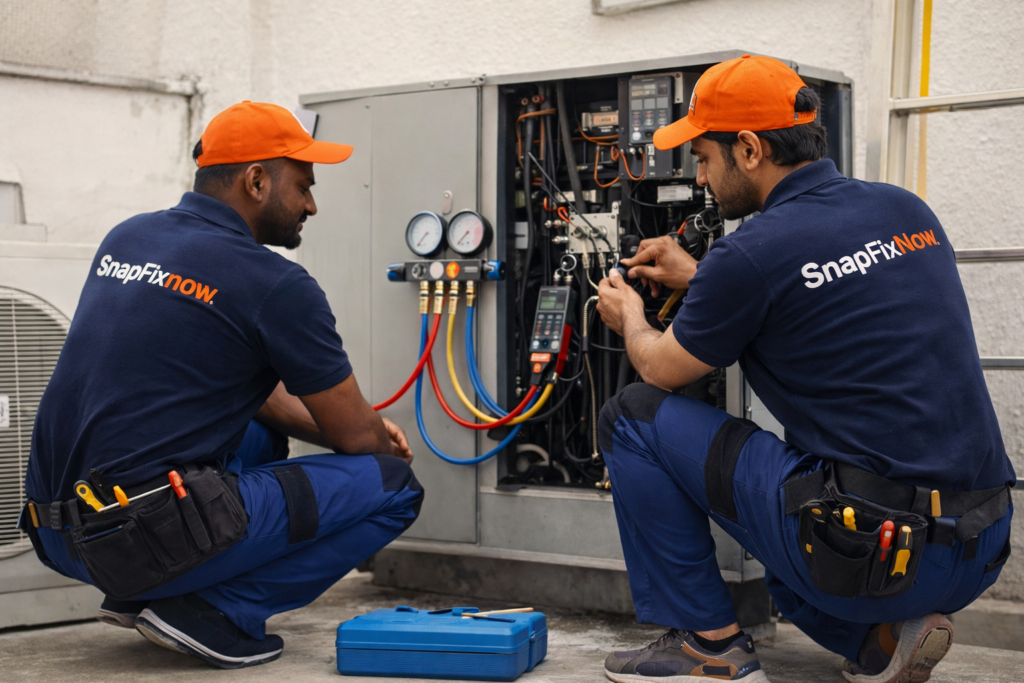
HVAC issues in Dubai rarely start as “major failures”. They start as minor performance drift—then become complaints, high bills, humidity issues, or repeat breakdowns. We focus on preventing that drift and documenting corrective actions clearly.

Comfort Complaints

Hot/cold spots, weak airflow, humidity and 'it's not cooling' escalations.

Common Issues

Our Solutions

Repeat Breakdowns

Same fault returning due to missing root-cause corrections.

Common Issues

Our Solutions

High Energy Bills

Cooling cost increases without obvious reasons.

Common Issues

Our Solutions

What We Fix The Real HVAC Problems

HVAC issues in Dubai rarely start as “major failures”. They start as minor performance drift—then become complaints, high bills, humidity issues, or repeat breakdowns. We focus on preventing that drift and documenting corrective actions clearly.

Comfort complaints

Hot/cold spots, weak airflow, humidity and “it’s not cooling” escalations.

Repeat breakdowns

Same fault returning due to missing root-cause corrections.

High energy bills

Cooling cost increases without obvious reasons.

Enterprise-ready delivery

Our work is designed to be auditable: checklists, readings, photos, and a defect log that procurement and FM teams can approve quickly. If you need “quick fixes” with no documentation, we may recommend a task-based provider instead.

HVAC Systems & Equipment Covered

Clear scope reduces downtime and speeds up approvals, especially under AMCs.

Cooling systems

Major cooling assets and packaged equipment.

Air distribution

Air handling and terminal units.

Supporting infrastructure

Often overlooked—yet causes most repeat issues.

HVAC Services We Provide

Defined services ensure consistent maintenance, faster issue resolution, and AMC-ready compliance.

Preventive Maintenance (PPM)

Planned servicing aligned to occupancy and system load.

Breakdown Repairs & Emergency Response

SLA-based attendance with clear job closure evidence.

Duct Cleaning & IAQ Hygiene

Improve air quality and reduce odor, dust and complaint cycles.

Performance Diagnostics & Optimization

When cooling cost is high, or comfort is unstable.

Our HVAC Process (SLA + Documentation First)

Designed for enterprise clients that require audit-friendly reporting and predictable execution.

Step 1 — Site survey & system health assessment

Asset review, operating conditions, access constraints, baseline readings and risk notes.

Step 2 — Asset-based scope + AMC structure

PPM frequency, response times, exclusions, consumables/spares policy — written for procurement approval.

Step 3 — Execution with checklists, readings & photo evidence

Repeatable servicing standard across units, with defect log and corrective recommendations.

Step 4 — Monthly reporting & improvement loop

Recurring fault elimination, trend observations, and next-cycle action plan.

HVAC AMC Options

Select coverage based on asset criticality, occupancy pressure, and desired SLA priority.

Essential (PPM)

For stable systems needing consistent preventive discipline.

Standard (PPM + Breakdown Labour)

Standard (PPM + Breakdown Labour)

Premium (Enhanced SLA + Detailed Reporting)

For assets where downtime becomes guest/tenant escalation fast.

Transparency note (important for approvals)

Major parts, refrigerant, compressors and OEM components are excluded unless explicitly stated in the proposal. This keeps pricing clean and avoids surprise add-ons mid-year.

Case Studies

Proven results from SLA-driven facility management projects across Dubai

Case Study SnapFix Now

Fountain & Lobby Enhancement

CLIENT / LOCATION
Corporate HQ DIFC
CHALLENGE
Lobby fountain failure impacted visitor experience.
RESULT
39% uptime achieved, positive client feedback
View Case Study
Energy Efficiency Solutions

Energy Optimization Project

CLIENT / LOCATION
Hotel Apartments, Bur Dubai
CHALLENGE
High energy bills from inefficient HVAC operation.
RESULT
Energy savings of 22%, reduced OPEX
View Case Study
Painting on SnapFixNow

Exterior Facade & Painting

CLIENT / LOCATION
Residential Tower, Al Nahda
CHALLENGE
Weather damaged facade reduced property appeal.
RESULT
Increased occupancy rates and reduced vacancy cycle
View Case Study
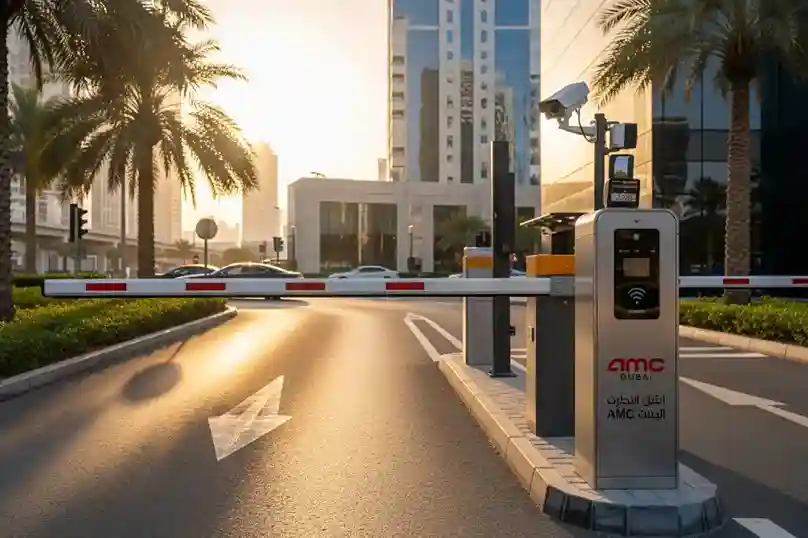
Parking Barriers

Parking Barriers & Access Control

CLIENT / LOCATION
Business Park, Sharjah Free Zone
CHALLENGE
Barrier failures caused tenant access issues.
RESULT
Reduced downtime by 90%
View Case Study
Luxury Cleaning

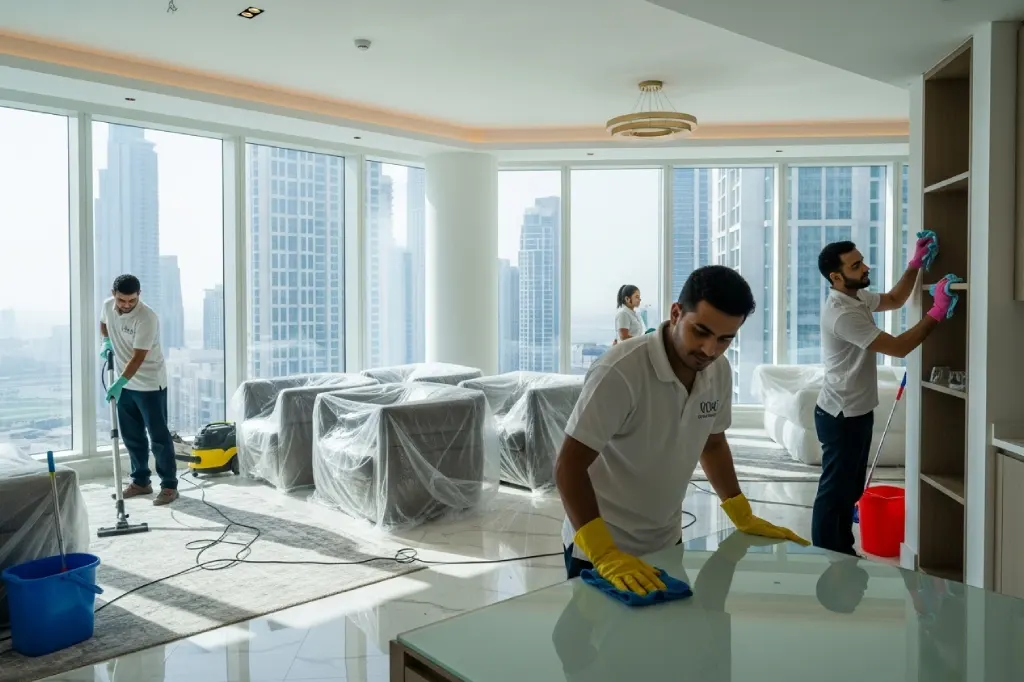
Post-Construction Cleaning – Luxury Project

CLIENT / LOCATION
Premium Developer, Downtown Dubai
CHALLENGE
Dust, joint residue, and adhesive marks delayed handovers.
RESULT
400 apartments handed over spotless in 5 weeks
View Case Study
OUR WORK

See The Transformation

Real results from our completed projects across Dubai. Drag the slider to compare before and after.
before-hvac-DxRgjLKM after-hvac-CbtkH8vJ

HVAC System Upgrade

HVAC Installation
before-cleaning-Dk6ROkAv after-cleaning-CgDmYM32

Commercial Deep Cleaning

Cleaning Service
before-renovation-Bk64hXd3 after-renovation-21e1cJ_f

Complete Apartment Renovation

Renovation
Want to see similar results for your property?
WHY CHOOSE US

Why Choose SnapFixNow

We combine process, people and technology to deliver measurable outcomes that exceed expectations and drive continuous improvement for your business success.

24/7 Support

Round-the-clock availability for emergencies. Our dedicated team is always ready to respond to your facility needs, ensuring minimal downtime and maximum peace of mind.

Certified Experts

Highly trained and certified technicians with international standards compliance. Every team member undergoes rigorous training and holds relevant industry certifications.

Guaranteed Results

Quality-assured services with comprehensive warranties. We stand behind our work with performance guarantees and transparent SLA commitments for your complete satisfaction.

Competitive Pricing

Cost-effective solutions without compromising quality. Transparent pricing models, flexible payment options, and exceptional value for your facility management investment.

ISO Certified

ISO 9001:2015 Quality Management

5+ Years

Experience in Dubai

500+ Clients

Satisfied Customers

Licensed & Insured

Fully Certified Technicians

99% Satisfaction

Guarantee on All Services

24/7 Support

Emergency Response Available

500+

PROJECTS COMPLETED

99%

CLIENT SATISFACTION

24/7

HOUR AVAILABILITY

50+

EXPERT TECHNICIANS

[ TESTIMONIALS ]

REAL EXPERIENCES,
REAL SATISFACTION

Ahmed Al Mazrouei

General Manager, InterContinental Hotel

SnapFixNow is great for our hotel's maintenance and cleaning tasks. Using photos for communication is so easy and efficient for our team. I recommend SnapFixNow highly to any hotelier.

★★★★★

Omar Al Ali

Hospitality Business

A fantastic product with great customer service. I've been with SnapFixNow for a few years now over two businesses and I will be continuing this relationship into the future. Highly recommended.

★★★★★

AYESHA KHAN

Facilities Manager, Jumeirah Hotels

SnapFixNow has improved our maintenance team's productivity by approximately 30% and made it easy for non-facilities executive management to monitor our operations. A very efficient tool.

★★★★★

MOHAMMED AL FALASI

Facilities Manager

Easy to use and saves time. Positive experience so far and the software has good potential to support our business needs in multiple ways going forward.

★★★★★

Rohit Sharma

Maintenance Head, Sofitel Dubai Downtown

Excellent for our maintenance department. SnapFixNow makes it simple to assign tasks and follow up on completion across all staff.

★★★★★

FATIMA AL SUWAIDI

Facilities Manager, Dubai British School

A really good facilities tool. All reactive work is logged efficiently and preventive maintenance is completed on schedule. Asset management features are excellent.

★★★★★
SERVICE COVERAGE

We Serve All Dubai

Comprehensive facility management services across 15+ Dubai communities

Downtown Dubai

Premium

Dubai Marina

Residential

Jumeirah Beach Residence

Premium

Business Bay

Commercial

Dubai Mall Area

Commercial

Arabian Ranches

Residential

Dubai Sports City

Residential

Palm Jumeirah

Premium

Emirates Hills

Premium

Dubai Silicon Oasis

Residential

International City

Residential

Deira

Commercial

Bur Dubai

Residential

Al Barsha

Residential

Jumeirah

Premium

Get Your Free Quote

Professional facility management services

    FREQUENTLY ASKED

    Clients Asked Questions & Answers

    Find answers to the most common questions about our facility management services.

    Repeated failures are usually due to underlying issues such as poor preventive maintenance, drainage problems, control faults, or system undersizing. We focus on identifying root causes, not just resetting faults.
    We maintain split ACs, packaged units, VRF systems, chilled water FCUs, and related HVAC components.
    Yes. Preventive maintenance includes inspections, cleaning, performance checks, and condition reporting to reduce breakdowns.
    Drain lines are inspected, flushed, and corrected as part of preventive maintenance to prevent leaks and water damage.
    In many cases, yes. Airflow correction, controls tuning, coil cleaning, and operational adjustments can significantly improve performance.
    Yes. HVAC systems are commonly included under our AMC scope with defined SLAs.

    Read the Latest Insights

    Explore trending topics to maintain and optimize your facilities, your most valuable business investment.

    Why Proactive HVAC Maintenance Is Critical for Commercial Buildings in Dubai?

    Why Proactive HVAC Maintenance Is Critical for Commercial Buildings in Dubai?

    Heating, Ventilation, and Air Conditioning (HVAC) systems are among the most critical and cost-intensive assets in commercial buildings. In offices, retail spaces, hotels, healthcare facilities, and mixed-use developments, HVAC performance directly affects occupant comfort, energy consumption, indoor air quality, and business continuity. Despite this, HVAC maintenance is often approached reactively, with attention given only when cooling failures, complaints, or breakdowns occur. For commercial buildings in Dubai’s climate, this approach carries significant operational and financial risk. 1. The Role of HVAC Systems in Commercial Buildings HVAC systems regulate temperature, humidity, ventilation, and air filtration. They include chillers or split systems, air handling units (AHUs), fan coil units (FCUs), ductwork, controls, thermostats, and associated electrical and plumbing components. Any degradation in HVAC performance can impact occupant productivity, tenant satisfaction, and regulatory compliance. 2. Climate Stress and System Load in Dubai Dubai’s climate places continuous and heavy demand on HVAC systems for most of the year. Extended run hours, high ambient temperatures, dust, and humidity accelerate wear on coils, compressors, fans, and controls. Without proactive maintenance, minor inefficiencies can quickly escalate into major failures. 3. Energy Efficiency and Operating Cost Impact HVAC systems are typically the largest consumers of electricity in commercial buildings. Issues such as dirty coils, blocked filters, refrigerant imbalance, sensor drift, or poor airflow increase energy consumption while reducing cooling effectiveness. Routine inspection, cleaning, and calibration help maintain design efficiency and control energy costs. 4. Indoor Air Quality (IAQ) and Occupant Health Poorly maintained HVAC systems can contribute to indoor air quality issues, including dust accumulation, microbial growth, and inadequate ventilation. In commercial environments—particularly offices, clinics, and retail spaces—IAQ concerns can lead to occupant discomfort, health complaints, and reputational risk. Proactive maintenance supports clean air delivery and compliance with hygiene expectations. 5. Downtime, Complaints, and Business Disruption HVAC failures often result in immediate operational disruption, tenant complaints, or partial shutdown of affected areas. Reactive repairs typically involve longer downtime due to fault diagnosis, spare parts procurement, and emergency mobilization. Planned preventive maintenance reduces the likelihood and severity of such disruptions. 6. Asset Life, Capital Planning, and Risk Reduction Neglected HVAC systems experience accelerated component wear, leading to premature replacement and unplanned capital expenditure. Preventive maintenance extends equipment life, stabilizes performance, and supports informed capital planning. 7. Documentation, Compliance, and Insurance Considerations Maintenance records play an important role during audits, compliance checks, and insurance claims related to HVAC failures. Lack of documented maintenance may complicate claims or raise questions about reasonable care. Structured HVAC maintenance provides inspection logs, service records, and performance documentation. How Structured HVAC Maintenance Adds Value Engineering-led facility management companies such as SnapFixNow™ FMC deliver HVAC maintenance through planned inspections, performance monitoring, preventive servicing, and condition-based interventions. This approach supports reliability, energy efficiency, and long-term asset protection. More information on HVAC maintenance services is available at: Final Thought In Dubai’s operating environment, HVAC maintenance is not optional—it is a core business continuity and cost control function. For commercial buildings, proactive HVAC maintenance consistently delivers better comfort, efficiency, and risk management than reactive repair models.

    January 27, 2026
    Water Leakage or Electrical Damage? How Insurers Assess Cause vs Consequence

    Water Leakage or Electrical Damage? How Insurers Assess Cause vs Consequence

    For property and facility managers in Dubai and the UAE, a critical incident often raises a single, financially pivotal question: was the event triggered by water leakage or electrical damage? Insurers methodically separate the triggering event (the cause) from the resulting damage (the consequence). Understanding this distinction is fundamental to navigating the claims process and mitigating financial risk. A typical commercial property policy may cover the consequential damage from a burst pipe—such as ruined servers or flooring—but it will likely exclude the cost of repairing the pipe itself, especially if the failure resulted from gradual corrosion or inadequate maintenance. For asset owners and their operational teams, mastering this cause-and-effect assessment framework is the key to a successful claim submission. Understanding Cause vs. Consequence in Commercial Property Claims In the UAE's high-value property market, the financial impact of a claim is significant. For managers of commercial towers, hospitality assets, or large-scale residential communities, a poorly substantiated claim can lead to operational downtime and substantial, unbudgeted capital expenditure. Insurers and their appointed loss adjusters have one primary objective: to identify the single, dominant "proximate cause" that initiated the chain of events. This initial determination dictates which policy clauses are triggered, whether specific exclusions apply, and the ultimate settlement value. The facility or property manager's role is to provide clear, verifiable technical evidence that a covered peril was the proximate cause. The Insurer's Analytical Framework Insurers deconstruct damage into a sequence of events. An electrical short circuit may be the proximate cause, but the ensuing fire and the subsequent water damage from the building's sprinkler system are the consequences. While the fire and water damage are likely covered perils, the initial electrical fault may not be if it resulted from an excluded cause, such as gradual deterioration (wear and tear). A policyholder's ability to demonstrate a sudden, accidental, and unforeseen event as the proximate cause is paramount. Insurers are specifically looking to differentiate this from damage arising from wear and tear, faulty workmanship, or lack of preventive maintenance—all common policy exclusions. This distinction is especially critical in Dubai, where the climate—with its high humidity and temperature fluctuations—can accelerate material degradation. For example, ambient humidity can corrode electrical components over time, blurring the line between a sudden failure and a gradual one. An insurer will invariably request detailed maintenance records to determine if the failure was preventable through a diligent Annual Maintenance Contract (AMC). The matrix below illustrates how insurers typically analyse these incidents, providing a framework for facility managers to anticipate the investigation's focus. Insurer's Cause vs. Consequence Assessment Matrix This matrix provides a reference for how insurers categorize common water and electrical incidents, enabling facility managers to prepare for the technical scrutiny of a claim investigation. Incident Scenario Potential Proximate Cause (The Insured Peril) Resulting Damage (The Consequence) Primary Focus of Insurer's Investigation Chilled water pipe bursts, flooding an IT server room and shorting equipment. Sudden and accidental water discharge. Damage to servers, flooring, and electrical wiring. Verifying pipe condition and maintenance history (e.g., pressure tests, NDT reports) to rule out gradual corrosion or pre-existing leaks. Electrical fire in a DEWA room damages pumps, causing a loss of water pressure. Fire originating from an electrical fault. Fire and smoke damage to the room; consequential damage from pump failure. Forensic analysis of the electrical panel to pinpoint the exact point and reason for failure (e.g., surge vs. faulty component). AC unit condensate drain clogs and overflows, slowly seeping into walls. Gradual water ingress due to lack of maintenance. Mold growth, drywall degradation, and potential electrical faults in wall sockets. Reviewing AMC logs to confirm if drain lines were regularly cleaned; cause is often excluded as preventable. A power surge from the grid damages a building's main distribution panel. External electrical surge. Damage to the panel and connected equipment. Examining DEWA reports and building systems (BMS/SCADA data) for evidence of a surge event, differentiating it from an internal fault. The insurer's investigation will consistently revert to the root cause. As a facility manager, understanding their investigative path allows you to prepare the precise technical evidence required. Unpacking the Insurer's Investigation Process Reporting an incident of water leakage or electrical damage initiates a methodical investigation, not an automatic approval. For property and facility managers across the UAE, understanding this process is crucial for managing stakeholder expectations and preparing the necessary evidence to substantiate a claim. The insurer's objective is to trace the chain of events back to its origin. The process begins with the First Notification of Loss (FNOL). Upon reporting the damage, the insurer assigns a claim number and appoints a loss adjuster. These independent professionals act as the insurer's technical assessors on-site, tasked with evaluating the damage and determining the proximate cause. For high-value commercial claims, expect a site visit within 24 to 72 hours. During this initial assessment, the adjuster focuses on fact-gathering, mitigating further loss, and identifying immediate remediation needs. However, their primary function is to begin the root cause analysis. The Role of Technical Specialists and Evidence Review When the cause is not immediately apparent—a common scenario in complex MEP systems within commercial towers, industrial facilities, or hotels—loss adjusters engage third-party specialists. Forensic Engineers: These experts analyse material failures. For a burst pipe, they examine the ruptured section for evidence of corrosion, manufacturing defects, or external impact, differentiating between a gradual failure and a sudden event. MEP (Mechanical, Electrical, Plumbing) Specialists: For a suspected electrical fault, MEP consultants inspect panels, wiring, and equipment to identify the point of failure. Their report is critical for distinguishing an internal malfunction from an external event like a power surge. These specialists require access to a comprehensive suite of documents. Insurers scrutinise these records to establish a timeline and verify compliance. You can learn more about preparing the technical proof your insurer expects in our detailed guide. In claims assessment, the burden of proof rests with the policyholder. A well-organised digital file containing maintenance logs, AMC documentation, and incident reports not only expedites

    January 27, 2026
    Why Proactive MEP Maintenance Matters for Commercial Buildings in Dubai?

    Why Proactive MEP Maintenance Matters for Commercial Buildings in Dubai?

    Mechanical, Electrical, and Plumbing (MEP) systems form the backbone of any commercial building. In offices, retail spaces, hotels, and mixed-use developments, MEP systems directly impact safety, comfort, uptime, and operating costs. Despite this, many building owners underestimate the importance of structured MEP maintenance until failures begin to disrupt operations. Understanding why proactive MEP maintenance matters is critical for long-term asset performance and risk control. 1. What MEP Systems Cover in Commercial Buildings MEP systems typically include HVAC equipment, electrical distribution boards, lighting systems, power backup, plumbing networks, pumps, drainage, and control systems. Failures in any of these areas can affect not only comfort, but also life safety, regulatory compliance, and business continuity. 2. The Hidden Cost of Neglected MEP Systems MEP failures rarely occur suddenly. They often develop due to undetected wear, imbalance, improper calibration, or deferred servicing. Without preventive maintenance, small inefficiencies escalate into breakdowns, emergency repairs, and unplanned capital expenditure. 3. Impact on Energy Efficiency and Operating Costs Poorly maintained HVAC and electrical systems consume more energy to deliver the same output. Issues such as clogged coils, imbalanced airflows, loose electrical connections, and leaking valves increase utility costs and shorten equipment life. Proactive maintenance helps maintain system efficiency and control operating expenses. 4. Risk, Safety, and Compliance Considerations MEP systems are closely linked to fire safety, electrical safety, water hygiene, and indoor air quality. Neglected maintenance can lead to non-compliance findings, safety incidents, and increased liability exposure. Routine inspections and documented servicing support regulatory and insurance requirements. 5. Downtime and Business Continuity In commercial environments, MEP failures often result in operational downtime, tenant complaints, or business interruption. Reactive repairs typically involve longer restoration times due to fault tracing, part sourcing, and emergency mobilization. Planned maintenance reduces the likelihood and impact of disruptive failures. 6. Documentation and Insurance Implications Insurance claims related to MEP failures often require proof of reasonable maintenance practices. Lack of maintenance records can complicate claims or lead to partial settlement. Structured MEP maintenance provides inspection logs, service records, and technical documentation that support claim credibility. How Structured MEP Maintenance Adds Value Engineering-led facility management companies such as SnapFixNow™ FMC approach MEP maintenance through planned inspections, performance monitoring, and preventive servicing aligned with asset criticality. This approach supports reliability, cost control, and long-term asset protection. More information on MEP maintenance services is available at: Final Thought MEP maintenance is not simply a technical task,it is a risk management and cost control function. For commercial buildings, proactive MEP maintenance consistently delivers better reliability, compliance, and financial outcomes than reactive repair models.

    January 26, 2026
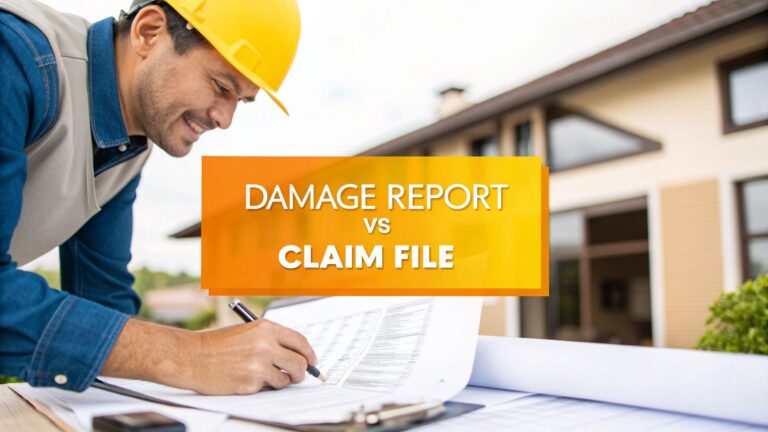
    The Difference Between a Damage Report and an Insurance-Ready Claim File: A Guide for UAE Asset Managers

    The Difference Between a Damage Report and an Insurance-Ready Claim File: A Guide for UAE Asset Managers

    For facility and asset managers in the UAE, the distinction isn't just semantics—it's a critical financial control. A damage report is an internal, rapid-response tool for operational triage, focused on the 'what' and 'where' to initiate immediate repairs and meet Service Level Agreement (SLA) targets. In contrast, an insurance-ready claim file is a comprehensive, evidence-based dossier engineered for external financial recovery. It must definitively answer the 'why,' 'how,' and 'how much' to satisfy intense insurer scrutiny and protect asset value. Damage Report vs. Insurance Claim File: An Executive Summary In Dubai's high-value property market, a critical system failure requires two parallel workflows: immediate operational intervention and meticulous financial justification. Differentiating between a damage report and an insurance-ready claim file directly impacts operational expenditure (OPEX), capital expenditure (CAPEX) planning, and asset protection. One document mobilises the technical team; the other secures the financial reimbursement that safeguards the budget. This distinction has become even more critical for asset owners and managers. Following recent extreme weather events that led to significant insurer losses across thousands of properties, the capability to produce a robust, insurance-ready claim file has become a key performance indicator for facility management in the UAE. You can find more insights on how these events have shaped the local insurance landscape over on KhaleejTimes.com. Key Differences at a Glance A damage report is the first response; a claim file is the financial argument that follows. Each serves a distinct purpose and is built for a different audience. The first is for internal technicians and operations managers; the second is for external loss adjusters, underwriters, and legal teams who demand rigorous, undeniable proof. The table below breaks down the key differences to help facility, asset, and procurement managers in the UAE make swift, informed decisions. Key Differences at a Glance Damage Report vs Insurance Claim File Attribute Damage Report (Internal Triage) Insurance-Ready Claim File (External Recovery) Primary Audience In-house FM team, technicians, supervisors Insurers, loss adjusters, legal counsel, auditors Core Purpose Trigger immediate repair, ensure safety, contain damage Secure financial compensation for loss, justify CAPEX Typical Urgency Immediate (within 0.5-4 hours) for SLA compliance Compiled over 7-14 business days for submission Content Focus What, where, when (e.g., burst pipe, level 3, 02:00) Why, how, and financial impact (root cause, costings) Evidence Level Preliminary photos, brief description of issue Forensic detail, sequential evidence, expert reports Financial Data Minimal; focus is operational response Itemised quotes, invoices, proof of payment, cost analysis Decision Supported "Dispatch a plumbing team now to meet a 2-hour SLA." "Approve a AED 150,000 claim payment for MEP failure." Looking at them side-by-side makes the distinction clear. One is about immediate action to minimise operational disruption, the other about methodical financial recovery to protect the asset's balance sheet value. A damage report is an operational necessity designed to minimise asset downtime. An insurance-ready claim file is a financial instrument designed to recover capital and protect the balance sheet. Confusing the two can lead to operational delays and rejected claims. Ultimately, mastering this workflow—from rapid triage to robust financial documentation—is a core competency for modern facility management in the region. Deconstructing the Damage Report: Its Purpose, Scope, and Limits In UAE facility management, the damage report is the essential first-response document. Its primary purpose is purely operational: to dispatch a technician immediately, secure the site, and contain the problem. It is the trigger for the entire maintenance workflow. This document is optimised for speed and clarity, not financial negotiation. It’s designed to capture the critical triage information needed to meet strict Service Level Agreement (SLA) response times, which can range from 30 minutes for critical failures in a hospitality setting to 4 hours for standard issues in a commercial tower. It prioritises action over deep analysis. Core Components of a Damage Report A functional damage report contains just enough information to get the right team to the right place with a basic understanding of the situation. The contents are direct, factual, and stripped to the essentials. Time and Date Stamps: Precise logs of when the incident was reported and first observed. Exact Location Data: Building, floor, specific unit number, or asset tag ID. Preliminary Photographic Evidence: Raw, initial photos showing the visible extent of the damage. Brief Description: A concise summary of the issue (e.g., "Water ingress from ceiling tiles above server rack, Asset ID: SR-04"). Technician's Initial Assessment: A first-look evaluation upon arrival, confirming the nature of the problem. At its core, a damage report is a frontline snapshot. For a burst pipe in a residential community, real-time photos and data logging confirm the urgency for immediate dispatch. This SLA-driven document focuses entirely on triage and can contribute to a reduction in asset downtime by up to 35%—a vital metric in high-occupancy buildings. You can find more insights on the importance of efficient operations in the UAE's service industries. The Limits of a Damage Report: A Practical Scenario While vital for operations, a damage report is fundamentally insufficient for financial recovery. Its limitations become clear the moment cost justification is required by an external party like an insurer. Consider this scenario: A main water pipe bursts on the 15th floor of a JLT commercial tower at 03:00. The Damage Report: A security guard logs the issue using a photo-based app. The report contains an image of the flooded corridor, location, and time. It successfully triggers the FM provider's 2-hour emergency SLA, and a plumbing team is dispatched. The Operational Success: The team arrives promptly, isolates the water supply, and begins mitigation. Operationally, the damage report fulfilled its purpose as an internal alert. The Financial Hurdle: The total repair cost—including pipe replacement, new ceiling tiles, damaged flooring, and specialist drying services—totals AED 30,000. The asset owner decides to file an insurance claim. The damage report that triggered a AED 500 emergency call-out is not the same document that can justify a AED 30,000 insurance claim. It lacks the three pillars of a successful claim: causation, itemisation, and validation. The original damage

    January 26, 2026

    Ready to Create Your Success Story?

    Join our growing list of satisfied clients across Dubai. Let’s discuss how we can help you achieve similar results.
    Call Now Button