SnapFixNow

Welcome To SnapFixNow

Dubai’s Property Perfected,
Expert Facility Management & Maintenance

At SnapFixNow, we protect your investment and ensure uninterrupted comfort across Dubai. Our master technicians, equipped with advanced diagnostics, provide definitive solutions for your HVAC, electrical, and plumbing systems. 

Get Your Free Quote

Professional facility management services


    Crafting Excellence in Facility Services:

    Excellence in Every Fix We Deliver

    At SnapFixNow, we go beyond simple maintenance-we provide complete facility management and  AMC solutions that keep your spaces running flawlessly. From HVAC and MEP works to plumbing, electrical, carpentry, and beyond, our team is dedicated to ensuring quality, efficiency, and trust in every service.

    End-to-End SnapFixNow Facility Services to Meet Every Need in Dubai, UAE

    SnapFixNow offers comprehensive facility services and maintenance management solutions for modern facilities across Dubai, UAE. Our photo-based platform streamlines operations, ensures compliance, and helps teams save up to 5 hours per week with intuitive work order management and real-time tracking.

    Annual Maintenance Contract (AMC)

    At SnapFixNow, we understand the importance of keeping your property in top condition all year round.

    LEARN MORE →
    Annual Maintenance Contract

    Handyman Services

    Expert handyman support for repairs, installations, and general maintenance to keep operations running smoothly.

    LEARN MORE →
    Handyman

    MEP Works

    Reliable Mechanical, Electrical, and Plumbing services designed to ensure compliance, safety, and efficiency.

    LEARN MORE →
    MEP Works

    Civil & Masonry

    Professional civil and masonry work including structural repairs, flooring, and construction support.

    LEARN MORE →
    Civil & Masonry

    [ OUR EXPERTISE ]

    INDUSTRIES WE
    PROUDLY SERVE

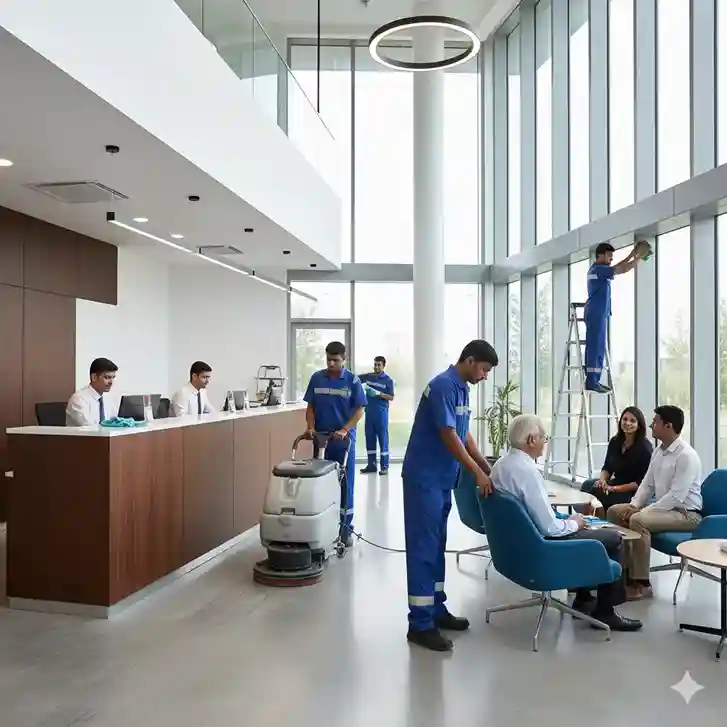
    Banking Service

    Banking

    Reliable cleaning & handyman support to maintain secure, professional, and welcoming banking spaces.

    Get a Quote
    Industrial Service

    Industrial / Manufacturing

    Deep cleaning, safety-focused maintenance, and equipment care tailored for factories and industrial sites.

    Get a Quote
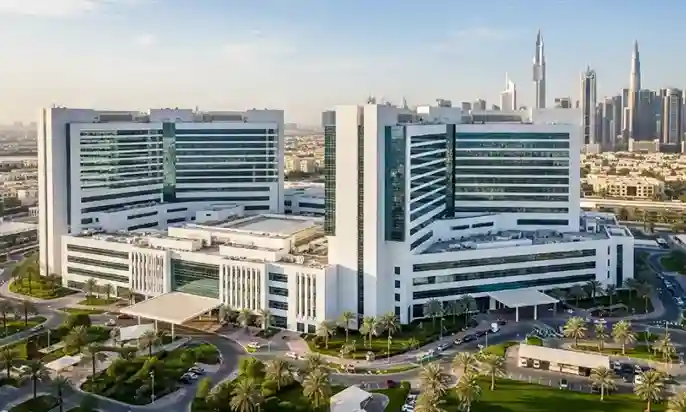
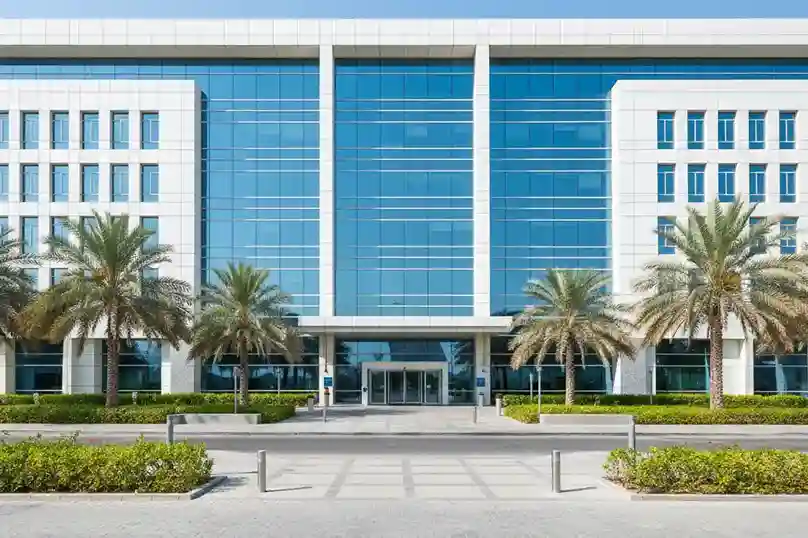
    Hospital exterior building view.

    Hospitality

    Complete housekeeping & facility services that enhance guest experience and maintain 5-star cleanliness.

    Get a Quote
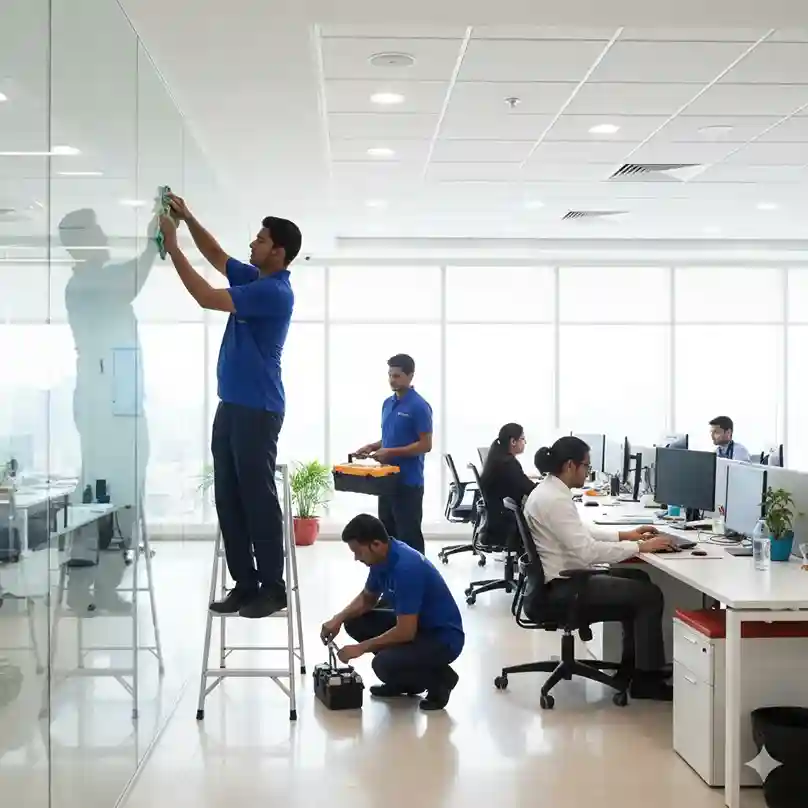
    Office Service

    Office

    End-to-end office maintenance including cleaning, repairs, and handyman services for productivity boost.

    Get a Quote
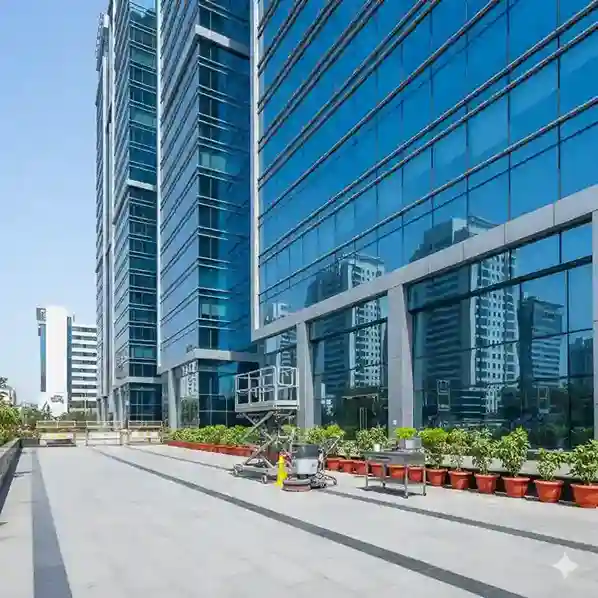
    Commercial Service

    Commercial

    Full-scale commercial facility management with cleaning, handyman repairs, and regular maintenance support.

    Get a Quote
    Residential Service

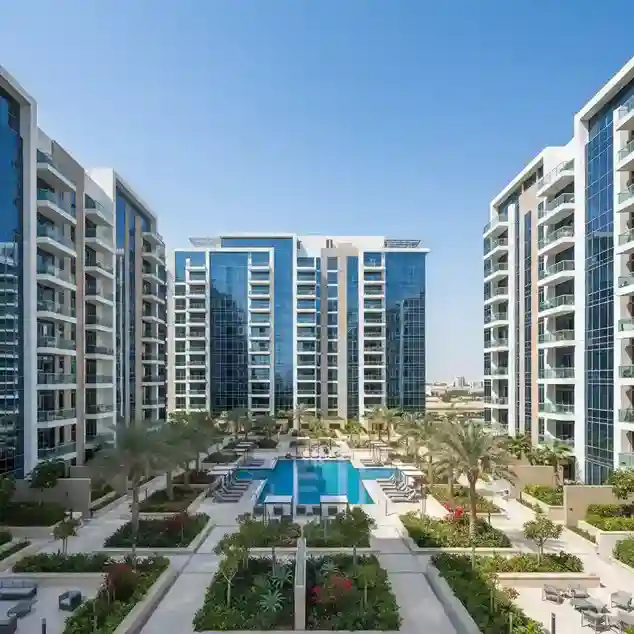
    Multi-Unit Residential

    Property upkeep, common area cleaning, and handyman services for apartments & housing societies.

    Get a Quote
    Non-Profit Service

    Non-Profit

    Affordable facility services for NGOs & community centers ensuring clean, safe, and welcoming spaces.

    Get a Quote

    Case Studies

    Proven results from SLA-driven facility management projects across Dubai

    Fountain & Lobby

    Fountain & Lobby Enhancement

    CLIENT / LOCATION
    Corporate HQ DIFC
    CHALLENGE
    Lobby fountain failure impacted visitor experience.
    RESULT
    99% uptime achieved, positive client feedback
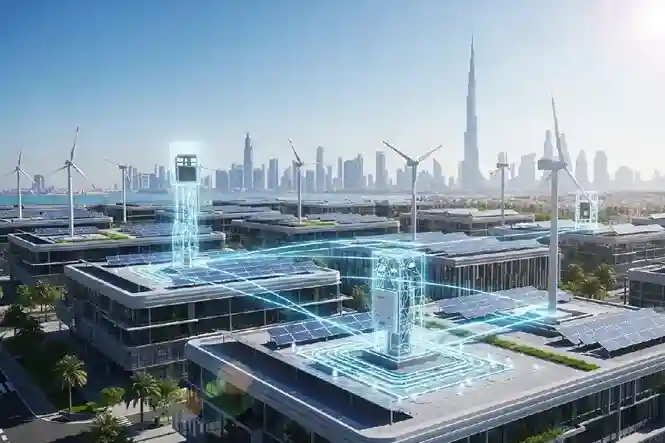
    Energy

    Energy Optimization Project

    CLIENT / LOCATION
    Hotel Apartments, Bur Dubai
    CHALLENGE
    High energy bills from inefficient HVAC operation.
    RESULT
    Energy savings of 22%, reduced OPEX
    Painting

    Exterior Facade & Painting

    CLIENT / LOCATION
    Residential Tower, Al Nahda
    CHALLENGE
    Weather damaged facade reduced property appeal.
    RESULT
    Increased occupancy rates and reduced vacancy cycle
    Parking

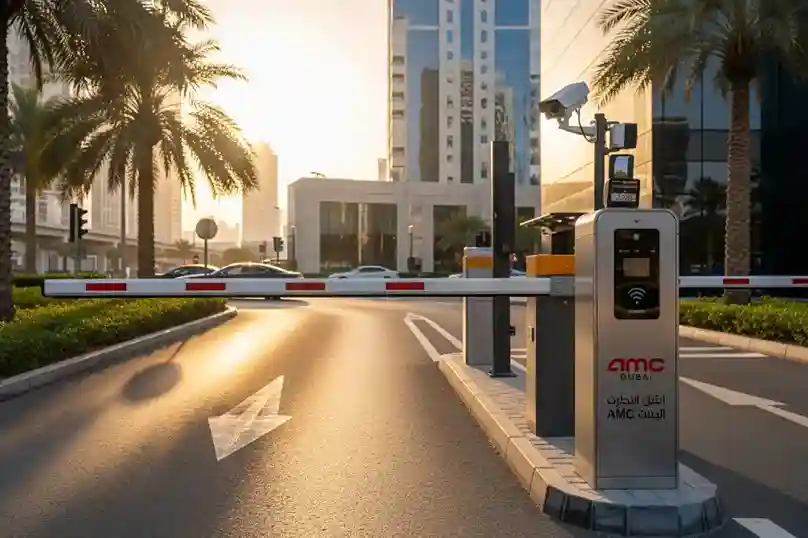
    Parking Barriers & Access Control

    CLIENT / LOCATION
    Business Park, Sharjah Free Zone
    CHALLENGE
    Barrier failures caused tenant access issues.
    RESULT
    Reduced downtime by 90%
    Post-Construction

    Post-Construction Cleaning

    CLIENT / LOCATION
    Premium Developer, Downtown Dubai
    CHALLENGE
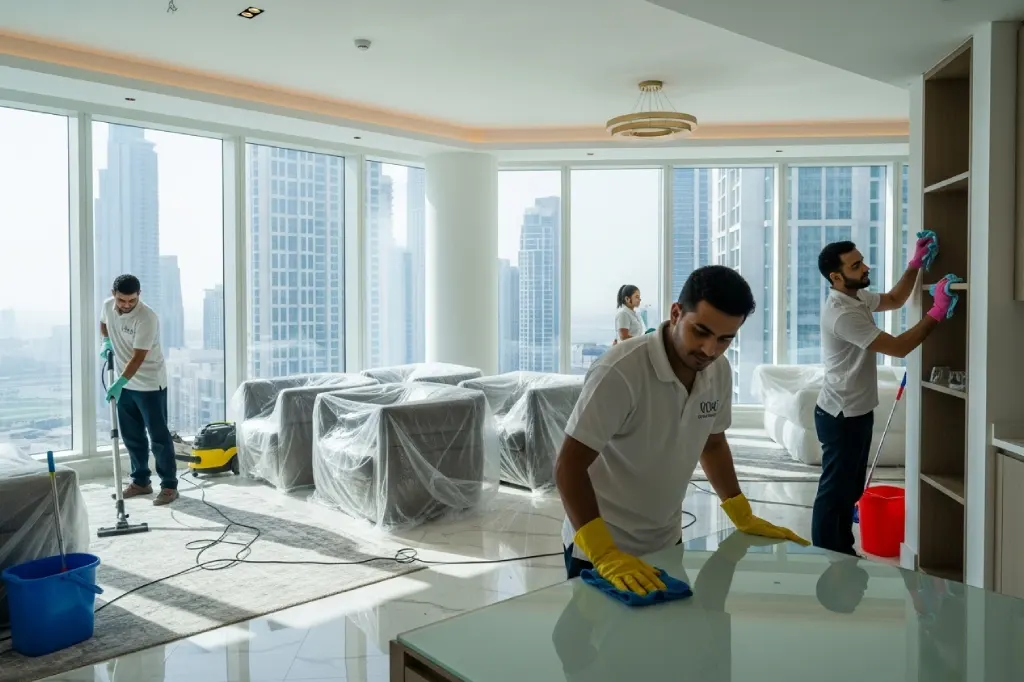
    Dust, joint residue, and adhesive marks delayed handovers.
    RESULT
    400 apartments handed over spotless in 5 weeks
    OUR WORK

    See The Transformation

    Real results from our completed projects across Dubai. Drag the slider to compare before and after.
    before-hvac-DxRgjLKM after-hvac-CbtkH8vJ

    HVAC System Upgrade

    HVAC Installation
    before-cleaning-Dk6ROkAv after-cleaning-CgDmYM32

    Commercial Deep Cleaning

    Cleaning Service
    before-renovation-Bk64hXd3 after-renovation-21e1cJ_f

    Complete Apartment Renovation

    Renovation
    Want to see similar results for your property?
    WHY CHOOSE US

    Why Choose SnapFixNow

    We combine process, people and technology to deliver measurable outcomes that exceed expectations and drive continuous improvement for your business success.

    24/7 Support

    Round-the-clock availability for emergencies. Our dedicated team is always ready to respond to your facility needs, ensuring minimal downtime and maximum peace of mind.

    Certified Experts

    Highly trained and certified technicians with international standards compliance. Every team member undergoes rigorous training and holds relevant industry certifications.

    Guaranteed Results

    Quality-assured services with comprehensive warranties. We stand behind our work with performance guarantees and transparent SLA commitments for your complete satisfaction.

    Competitive Pricing

    Cost-effective solutions without compromising quality. Transparent pricing models, flexible payment options, and exceptional value for your facility management investment.

    ISO Certified

    ISO 9001:2015 Quality Management

    5+ Years

    Experience in Dubai

    500+ Clients

    Satisfied Customers

    Licensed & Insured

    Fully Certified Technicians

    99% Satisfaction

    Guarantee on All Services

    24/7 Support

    Emergency Response Available

    500+

    PROJECTS COMPLETED

    99%

    CLIENT SATISFACTION

    24/7

    HOUR AVAILABILITY

    50+

    EXPERT TECHNICIANS

    [ TESTIMONIALS ]

    REAL EXPERIENCES,
    REAL SATISFACTION

    Ahmed Al Mazrouei

    General Manager, InterContinental Hotel

    SnapFixNow is great for our hotel's maintenance and cleaning tasks. Using photos for communication is so easy and efficient for our team. I recommend SnapFixNow highly to any hotelier.

    ★★★★★

    Omar Al Ali

    Hospitality Business

    A fantastic product with great customer service. I've been with SnapFixNow for a few years now over two businesses and I will be continuing this relationship into the future. Highly recommended.

    ★★★★★

    AYESHA KHAN

    Facilities Manager, Jumeirah Hotels

    SnapFixNow has improved our maintenance team's productivity by approximately 30% and made it easy for non-facilities executive management to monitor our operations. A very efficient tool.

    ★★★★★

    MOHAMMED AL FALASI

    Facilities Manager

    Easy to use and saves time. Positive experience so far and the software has good potential to support our business needs in multiple ways going forward.

    ★★★★★

    Rohit Sharma

    Maintenance Head, Sofitel Dubai Downtown

    Excellent for our maintenance department. SnapFixNow makes it simple to assign tasks and follow up on completion across all staff.

    ★★★★★

    FATIMA AL SUWAIDI

    Facilities Manager, Dubai British School

    A really good facilities tool. All reactive work is logged efficiently and preventive maintenance is completed on schedule. Asset management features are excellent.

    ★★★★★
    SERVICE COVERAGE

    We Serve All Dubai

    Comprehensive facility management services across 15+ Dubai communities

    Downtown Dubai

    Premium

    Dubai Marina

    Residential

    Jumeirah Beach Residence

    Premium

    Business Bay

    Commercial

    Dubai Mall Area

    Commercial

    Arabian Ranches

    Residential

    Dubai Sports City

    Residential

    Palm Jumeirah

    Premium

    Emirates Hills

    Premium

    Dubai Silicon Oasis

    Residential

    International City

    Residential

    Deira

    Commercial

    Bur Dubai

    Residential

    Al Barsha

    Residential

    Jumeirah

    Premium

    Edit Template

    Get Your Free Quote

    Professional facility management services

      FREQUENTLY ASKED

      Clients Asked Questions & Answers

      Find answers to the most common questions about our facility management services.

      SnapFixNow™ provides facility management and building maintenance services, including HVAC, electrical, plumbing, civil works, handyman support, and Annual Maintenance Contracts (AMC) for residential, commercial, and hospitality assets.
      Yes. Our model prioritizes preventive maintenance to reduce failures, while all reactive calls are handled within defined SLA response times.
      We serve Dubai and the Northern Emirates, supporting residential communities, offices, commercial buildings, and hospitality assets.
      Unlike reactive providers, SnapFixNow operates with defined scope, SLA-backed response, structured reporting, and root-cause accountability to ensure predictable building performance.

      Read the Latest Insights

      Explore trending topics to maintain and optimize your facilities, your most valuable business investment.

      Carpentry, Landscaping & Villa Maintenance: How a Full-Service AMC Company Helps Dubai Homeowners

      Owning a beautiful villa in Dubai is a dream come true for many. But keeping it in pristine condition can

      Evaluating Facility Management Companies UAE: A Decision Framework for B2B Stakeholders

      Selecting a facility management partner in the UAE is a critical procurement decision that directly impacts asset value, operational expenditure,

      Property Insurance Claims

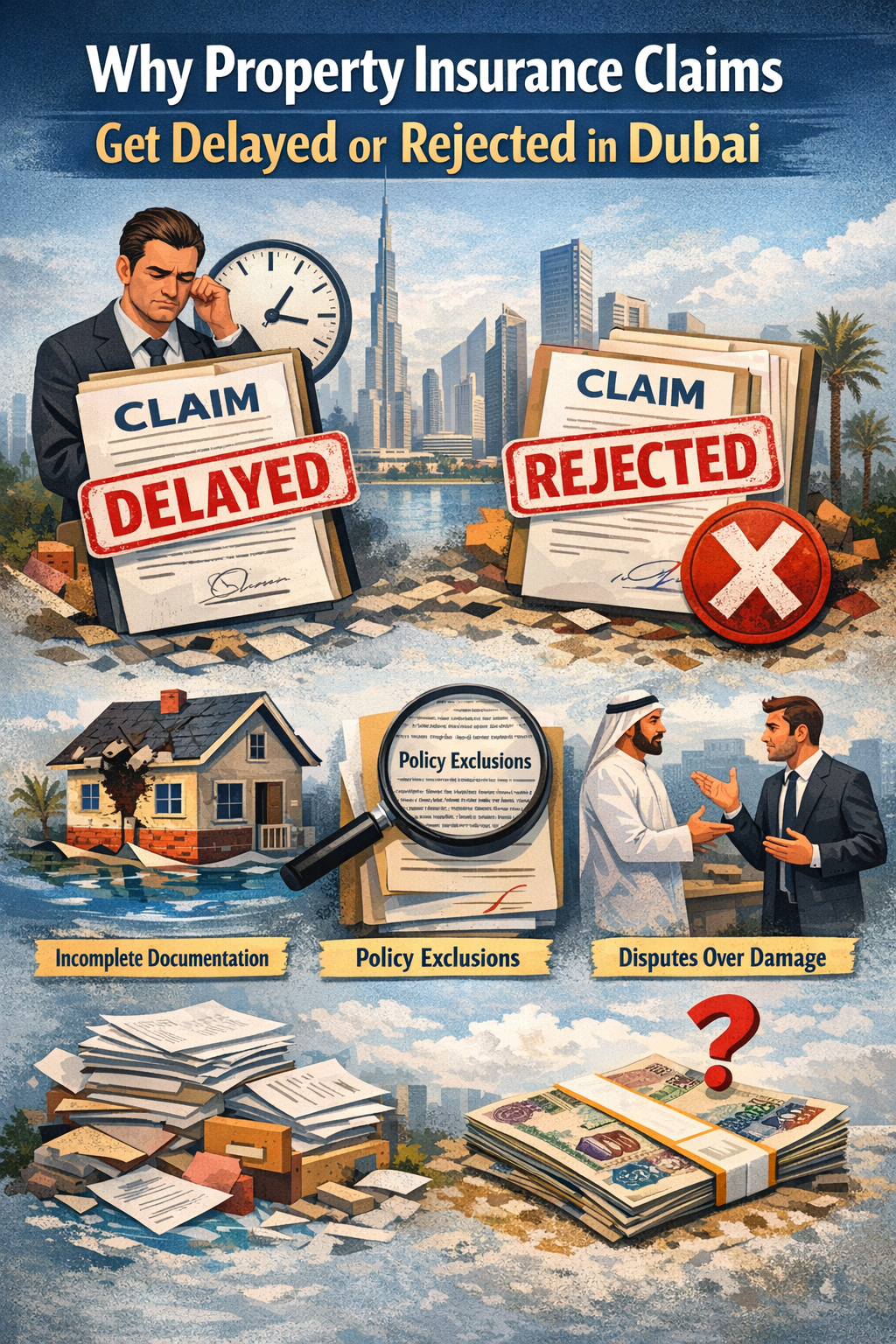
      Why Property Insurance Claims Get Delayed or Rejected in Dubai

      Property insurance claims in Dubai are often delayed or partially rejected not because the damage is invalid, but because the

      Civil Maintenance Services Dubai Commercial Property

      Civil Maintenance Services Dubai Commercial Property

      If you manage a commercial building in Dubai, you’re probably dealing with the same pattern repeatedly. A crack appears in a corridor wall, tiles start lifting near a wet area, waterproofing fails after being ignored too long, and the repair request arrives only after tenants complain. By then, the issue is no longer a minor civil defect. It has become an operational, budget, and compliance problem. That’s why civil maintenance services dubai commercial property decisions shouldn’t sit in the same category as ad hoc handyman work. In 2024, Dubai’s commercial property market recorded 9,038 transactions, a 24% year-on-year increase, with transaction values reaching AED 90.1 billion, according to CRC Property’s Dubai commercial market review. More assets, more occupancy pressure, and more refurbishment activity mean more wear on building envelopes, finishes, access areas, and structural elements. For facility managers, procurement teams, and asset owners, civil maintenance is part of lifecycle control. It affects tenant disruption, safety exposure, OPEX stability, and when CAPEX gets forced forward. The practical question isn’t whether defects will appear. It’s whether your contract model identifies and rectifies them early, documents them properly, and allocates risk in a way that protects the asset. Table of Contents Introduction The Critical Role of Civil Maintenance in Dubai's Commercial Sector Defining the Scope of Civil Maintenance Services Structural fabric and concrete repair Finishes waterproofing and external works Contract Models A Comparison of AMC vs Reactive Maintenance How the two models behave in practice Operational comparison matrix Navigating Dubai's Regulatory and Compliance Landscape Why Dubai climate turns minor defects into compliance issues What contract documentation should prove Key Cost Drivers for Civil Maintenance Services in Dubai Where quotations diverge Where cutting cost usually creates future liability Implementation The Role of Digital Platforms in Quality Assurance Why photo based verification changes contract control Minimum digital workflow for Dubai commercial assets A Framework for Selecting a Civil Maintenance Vendor Technical and commercial screening criteria Questions procurement should ask before award Conclusion Structuring for Long-Term Asset Value Frequently Asked Questions (FAQ) Introduction The Critical Role of Civil Maintenance in Dubai's Commercial Sector Dubai’s commercial expansion has changed the maintenance brief. When transaction activity rises this quickly, existing buildings don’t just compete on location or leasing terms. They compete on reliability, presentation, compliance history, and how well the owner controls deterioration. Civil maintenance covers the physical shell and finishes that people see first and damage first. That includes cracks, spalling, tiling failures, waterproofing defects, plaster breakdown, joint deterioration, kerbstone displacement, and similar issues that begin as visible defects but often point to moisture ingress, movement, abrasion, or deferred repair. For a commercial property, the risk isn’t limited to repair cost. A failed podium waterproofing system can affect occupied space below. Loose external paving can become a safety incident. Repeated patch repairs without root-cause diagnosis can hide a larger building envelope problem that keeps returning as rework. Practical rule: Treat civil maintenance as an asset-preservation function. If it only starts when tenants report visible damage, you’re already paying the reactive premium. The better operating model links inspection, defect classification, method statements, response SLAs, and completion records into one maintenance framework. In practice, that framework usually sits alongside broader MEP services in Dubai because envelope defects, water ingress, and internal environmental conditions often interact. Defining the Scope of Civil Maintenance Services Civil maintenance is often specified too loosely in tenders. That creates disputes later. One party assumes structural crack treatment is included. The other assumes only superficial making-good is covered. The result is delayed approvals, variation claims, and unresolved defects. Structural fabric and concrete repair The first category is structural fabric. This includes crack monitoring, crack injection where appropriate, concrete patch repair, spalling rectification, and treatment of corroded reinforcement where the defect has progressed beyond cosmetic repair. In Dubai, the distinction between a surface crack and a durability issue matters. Heat, humidity, and exposure conditions can convert a neglected defect into concrete deterioration that needs access equipment, substrate preparation, repair mortar, and reinstatement of finishes. Labour-only patching usually doesn’t solve that. A useful procurement test is simple. Ask whether the contractor’s scope includes defect investigation, substrate preparation, repair methodology, and post-repair documentation, or only visible patching. Finishes waterproofing and external works The second category is masonry and finishes. That covers plaster repairs, blockwork rectification, partition reinstatement, skimming, painting interfaces, tile replacement, grout renewal, and façade-adjacent surface repairs. Tile and masonry maintenance in Dubai’s high-traffic commercial spaces requires precise specifications because alkaline groundwater and abrasion accelerate failure. Failure rates can reach 15-20% in porcelain tiles within 3-5 years without proper intervention, including the use of S1 flexible adhesives and epoxy grouts to prevent moisture wicking, according to Pioneer-Gulf’s regional technical guidance. The third category is waterproofing. Roofs, planter boxes, basements, wet areas, service yards, and podium slabs all fall into this area. Waterproofing failure is expensive because the visible damage often appears far from the entry point. If the contract only pays for internal making-good and excludes leak tracing, you haven’t transferred much risk at all. The fourth category is external works. Interlock resetting, kerbstone alignment, ramps, boundary walls, access paths, and hardscape repairs often sit outside the headline civil scope even though they create recurring liability in commercial assets. For teams writing service scopes, a useful benchmark is to map civil maintenance under four headings: Structural repairs: Crack treatment, concrete repair, spalling, and load-related defects. Internal finishes: Tiles, plaster, paint interfaces, blockwork, and partition repairs. Waterproofing systems: Wet areas, roofs, basements, joints, and leak rectification. External hardscape: Interlock, kerbs, steps, ramps, boundary walls, and surface reinstatement. Security and maintenance planning often intersect in access routes, perimeter conditions, and service yards. For readers reviewing broader site upkeep controls, Wisenet Security's expert maintenance provides a useful example of how maintenance thinking can support operational reliability outside the core civil scope. Contract Models A Comparison of AMC vs Reactive Maintenance Contract structure determines whether defects are found early or merely processed after failure. That’s the main commercial difference between a

      May 5, 2026
      First Facilities Management: Dubai Asset Owner Playbook

      First Facilities Management: Dubai Asset Owner Playbook

      You’ve just taken over a building in Dubai. The handover pack is incomplete, half the warranties are buried in email threads, the chillers look operational but undocumented, and occupants already assume maintenance is “live”. That’s the point where first facilities management stops being an abstract function and becomes an operational risk problem. For a new asset owner or facility manager, day one isn’t about buying software or issuing a generic service contract. It’s about establishing control. In the UAE, facilities management has been a formal discipline since the late 1970s and early 1980s, when Dubai’s growth created the first structured FM practices in the region, as outlined in this history of facilities management in the UAE. That history matters because the same lesson still applies. Buildings don’t stay stable on their own. They need an operating framework. Table of Contents Executive Summary Your First 90 Days in Facilities Management What must be stable by day 90 What usually goes wrong early Phase 1 The Initial Site Survey and Risk Assessment What the first survey must capture How to prioritise findings Phase 2 Asset Inventory, Tagging, and Lifecycle Planning Build the asset register before you build the maintenance plan What each asset record should contain Phase 3 Structuring Maintenance Calendars and Contracts Preventive planning is the financial baseline Comparison of AMC models for UAE commercial buildings Phase 4 Defining Contractor and Warranty Management Workflows Control the interface between FM and third parties Warranty management must sit inside the work order process Phase 5 Establishing KPIs and Photo-Based Reporting Frameworks Start with operational KPIs that change decisions Why photo-based reporting changes contractor control Frequently Asked Questions for New FM Implementations Q: What should a new owner set up first after handover? Q: How much preventive maintenance is enough in a first facilities management setup? Q: Should I choose labour-only or comprehensive maintenance for a Dubai property? Q: What are the most useful first KPIs for a new FM team? Q: How do I stop warranty issues from turning into unnecessary spend? Executive Summary Your First 90 Days in Facilities Management The first 90 days determine whether your building will run on evidence or assumption. Most early FM failures don’t come from one major technical fault. They come from missing baselines, unclear scope, undocumented assets, and slow decisions at the point where defects, compliance, and occupancy pressure meet. In Dubai, that risk is amplified by climate and usage conditions. HVAC systems operate under sustained heat stress. Dust loading affects filters, coils, and fresh air systems. Humidity cycles expose weaknesses in insulation, drainage, seals, and controls. If the building has already been occupied or poorly maintained, hidden deterioration may be sitting behind a clean reception area and a working BMS screen. The practical objective is simple. Convert the asset from a handed-over building into a controlled operating environment. That means you need a technical survey, a usable asset register, a maintenance calendar, contractor workflows, and measurable service reporting. Without those five elements, your FM setup is reactive even if the contract says “preventive”. What must be stable by day 90 By the end of the first three months, a new FM operation should have: A current risk register: Not a generic snag list, but a ranked record of safety, compliance, operational, and lifecycle risks. A critical asset inventory: HVAC, MEP, fire life safety, pumps, electrical distribution, water systems, and access-critical equipment should all be identified and traceable. A live planned maintenance schedule: The schedule must reflect actual site conditions, not only OEM theory. Clear service boundaries: In-house team, specialist subcontractor, OEM, and warranty responsibility should be defined before the first major failure. Working KPIs: Response time, first-time fix rate, and planned maintenance completion should already be visible to management. Practical rule: If you can’t identify the asset, locate its documents, confirm its status, and assign service responsibility, you don’t control it. What usually goes wrong early New owners and new FM teams often make the same mistakes. They mobilise an AMC before validating asset condition. They accept old registers without field verification. They treat compliance as a paper exercise. They also underestimate how quickly unresolved minor faults become occupant complaints, emergency call-outs, and unplanned spend. A disciplined start is more valuable than a fast start. That’s especially true in first facilities management, where every weak assumption gets baked into the operating model. Phase 1 The Initial Site Survey and Risk Assessment The first site survey is not a courtesy walk-through. It is the technical basis for every FM decision that follows. If you rush it, your maintenance plan will inherit bad data, your contractor will price uncertainty into the contract, and your first quarter will be spent reacting to faults that should have been visible on day one. A proper survey starts with documents, but it cannot end there. Review as-built drawings, O&M manuals, statutory certificates, testing and commissioning records, and prior maintenance logs if they exist. Then verify all of it physically. In Dubai, field conditions often diverge from drawing sets because of tenant fit-out changes, retrofit works, undocumented replacements, or partial repairs. For commercial and mixed-use buildings, this inspection checklist for commercial building inspections by property managers is a useful reference point because it reflects the kinds of defects that create immediate operational friction. What the first survey must capture The survey needs to test both condition and maintainability. Focus on these categories: HVAC and ventilation: Check air handling condition, filter loading, coil cleanliness, drain performance, insulation integrity, control response, unusual noise, and evidence of condensate leakage. In UAE conditions, heat load and dust stress expose neglected systems quickly. Electrical infrastructure: Inspect main panels, DBs, labelling quality, thermal stress signs, cable management, earthing visibility, and access safety. Water and drainage systems: Review pumps, valves, pipe supports, water hammer signs, leaks, insulation, tank condition, and drainage blockages. Fire life safety systems: Confirm panel status, detector condition, extinguisher visibility, pump room accessibility, and coordination records for life safety systems. Building fabric: Look for

      May 4, 2026
      HVAC Dubai: A Manager’s Guide to OPEX, Compliance & Risk

      HVAC Dubai: A Manager’s Guide to OPEX, Compliance & Risk

      HVAC Dubai decisions usually land on the board table only after something has already gone wrong. A tenant complaint escalates. A hotel floor loses comfort during peak occupancy. A DEWA bill jumps without a clear operational explanation. Procurement receives three maintenance quotes that appear similar on price but are not similar on scope, risk, or lifecycle impact. That’s the context for hvac dubai. In this market, cooling isn’t a convenience line item. It sits directly inside business continuity, compliance exposure, tenant retention, and asset value protection. Dubai’s climate, dust loading, humidity cycles, and regulatory expectations make HVAC strategy a financial decision as much as an engineering one. Table of Contents Executive Summary and Introduction The Operational Context for HVAC in Dubai Core HVAC Services A Technical Breakdown Installation and retrofitting Preventive maintenance Corrective and reactive maintenance Comparing Maintenance Models AMC vs Reactive How the cost logic actually differs A practical comparison matrix Decoding HVAC Costs and Budgeting in Dubai What really drives HVAC cost A budgeting method that holds up under scrutiny SLA and Vendor Selection A Procurement Checklist Vendor questions that matter SLA clauses that reduce disputes Technology for OPEX Reduction and Downtime Mitigation Why visibility changes maintenance outcomes Where technology fits in real operations Energy Efficiency and Asset Lifecycle Planning When to keep repairing and when to retrofit Why system efficiency changes the asset plan Sample HVAC Preventive Maintenance Schedule for Dubai Assets Frequently Asked Questions about HVAC in Dubai Executive Summary and Introduction Dubai asset owners don’t need another generic overview of air conditioning. They need a framework for deciding how to control OPEX, defer avoidable CAPEX, and reduce operational risk without under-maintaining critical systems. The market itself signals why this matters. The UAE HVAC market, with Dubai as its largest hub, is projected to reach USD 3.31 billion in 2025 and grow to USD 5 billion by 2032, driven by major investment in towers, airports, tourism assets, and sustainability regulation under the Energy Strategy 2050 and Green Building Regulations, according to UAE HVAC market analysis. More demand means more systems, more service vendors, and more room for poor procurement decisions. For boards and senior operators, the wrong HVAC strategy usually shows up in four places: Unstable OPEX from emergency call-outs and repeat failures Hidden CAPEX acceleration when neglected assets reach replacement early Compliance risk where maintenance records and system condition don’t support inspections Occupant impact through comfort complaints, IAQ concerns, and downtime Board-level rule: Cheap maintenance isn’t the contract with the lowest fee. It’s the model that produces the lowest total operational cost over the asset’s service life. A sound HVAC decision in Dubai depends on matching service scope, contract structure, SLA design, technology, and retrofit planning to the building’s risk profile. Office towers, hotels, retail centres, and mixed-use communities don’t carry the same failure cost. They shouldn’t be maintained under the same logic either. The Operational Context for HVAC in Dubai At 3:00 p.m. in August, a comfort complaint in Dubai is rarely just a comfort complaint. In a hotel, it becomes reputational risk. In an office tower, it turns into tenant escalation and possible fit-out claims. In a retail asset, it hits dwell time and revenue the same day. HVAC in Dubai operates as a business continuity system, and boards should budget and govern it that way. The local operating conditions are hard on plant. High ambient temperature, sustained humidity, airborne dust, and long annual run hours push equipment far outside the assumptions many owners still use when they buy low-cost maintenance. The result is familiar. Higher static pressure from dirty filters, reduced heat transfer across fouled coils, unstable humidity control, nuisance trips, and compressor stress during peak demand windows. That has direct financial consequences. Poor HVAC discipline does not stay inside the maintenance budget. It shows up as excess energy use, more frequent reactive attendance, premature component replacement, shorter asset life, and avoidable tenant churn. For asset owners focused on NOI, this is an OPEX control issue first and a technical issue second. Dubai also changes the risk profile of deferred work. A missed coil cleaning cycle or weak controls calibration in a mild climate may only reduce efficiency. In Dubai, the same lapse can push a system into visible failure during occupied hours. That is why maintenance intervals, spare parts policy, and response SLAs need to be set against seasonal load and occupancy criticality, not copied from a generic annual contract template. Three pressures deserve board attention. Thermal stress on continuously operating equipmentHVAC systems in Dubai carry long operating hours and narrow tolerance for underperformance. Weak commissioning, poor air balancing, or neglected condensers and evaporators usually translate into higher kWh consumption before they show up as breakdowns. Dust loading and faster fouling ratesFilters, coils, strainers, and condensate systems degrade faster in this market. If service scope does not account for local fouling rates, airflow drops, indoor air quality declines, and fan and compressor energy rises. Auditability and compliance exposureOwners need maintenance records that stand up to internal audit, ESG reporting, insurer scrutiny, and municipal expectations. A contractor that cannot document readings, corrective actions, and repeat-failure history creates governance risk, not just engineering risk. Communication discipline matters too. During service interruptions, facilities teams still need a documented trail for tenant notices, technician dispatch, and access coordination. Teams that handle this manually often tighten response workflows by text-enabling your business landline, especially across larger portfolios where speed and traceability affect SLA performance. The operating context in Dubai is clear. HVAC decisions should be made on failure consequence, energy exposure, and asset preservation value. Owners who treat cooling as a commodity service usually end up paying for it twice. First through unstable OPEX, then through earlier CAPEX. Core HVAC Services A Technical Breakdown Procurement often receives proposals for “HVAC service” that appear broad enough on paper but differ materially in execution. The first control is to separate service categories properly. Installation and retrofitting This scope covers new system installation, equipment replacement, controls upgrades, testing,

      May 3, 2026
      Emirates Facility Management: A UAE Operations Guide

      Emirates Facility Management: A UAE Operations Guide

      You’re probably dealing with the same procurement tension that shows up across Dubai and the wider UAE. One team wants a lower contract value. Another wants tighter SLAs. Engineering wants competent hard services coverage. Finance wants budget predictability. Operations wants fewer tenant complaints, fewer repeat call-outs, and less disruption during peak occupancy. That’s where emirates facility management stops being a vendor shortlist exercise and becomes a risk allocation decision. The wrong scope, wrong contract structure, or weak performance controls don’t just create maintenance headaches. They affect asset life, compliance exposure, and operating cost over time. Table of Contents An Operational Framework for Facility Management in the UAE What procurement committees should test first Defining the Scope of Emirates Facility Management Services Hard FM keeps critical assets operating Soft FM protects usability, hygiene, and presentation Service Models An Operational and Financial Comparison Why contract structure changes total cost Comparison of Facility Management Service Models in the UAE Navigating UAE Regulatory and Compliance Mandates Compliance sits inside daily FM operations Sustainability rules now affect maintenance strategy Decoding SLAs and KPIs for Performance Management A usable SLA is specific and auditable KPIs should measure outcomes, not activity A Framework for Vendor Selection and Risk Assessment Technical diligence before commercial negotiation Financial stability matters more than many tenders recognise Frequently Asked Questions on Facility Management Q: What’s the main difference between emirates facility management and a basic maintenance service? Q: When should a building move from reactive call-outs to an AMC? Q: What should procurement ask for before awarding an FM contract? Q: How do I know whether an SLA is strong enough? Q: Why do digital reporting tools matter in UAE FM operations? An Operational Framework for Facility Management in the UAE For asset owners in Dubai, Abu Dhabi, and the wider Emirates, FM is no longer a back-office support function. It sits directly inside business continuity, compliance, tenant retention, and lifecycle cost control. That matters in a market where building systems are increasingly complex and expectations around uptime are high. The scale of the sector makes that plain. The UAE FM market was valued at USD 6.83 billion in 2024 and is projected to reach USD 12.33 billion by 2033, with a 6.90% CAGR from 2025 to 2033, driven by urban development and smart infrastructure initiatives, according to UAE FM market projections reported by GlobeNewswire. In practice, procurement mistakes usually happen in three places. Scope is underspecified. Risk transfer is assumed rather than written. Performance is measured by ticket volume instead of building outcomes. What procurement committees should test first A sound FM review starts with a short set of operational questions: Asset criticality: Which systems can’t fail without affecting trading, occupancy, safety, or guest experience? Failure mode: Are you mainly exposed to sudden outages, gradual degradation, statutory non-compliance, or recurring defects? Commercial structure: Does the contract reward prevention, or does it only pay for rectification after failure? Evidence trail: Can the provider produce auditable maintenance records, escalation logs, and close-out verification? Practical rule: If a contract makes emergency response visible but preventive discipline invisible, it usually drives reactive behaviour. For regulated and resilience-sensitive environments, FM governance increasingly overlaps with broader operational resilience programmes. Teams handling critical facilities can borrow useful thinking from DataLunix's guide to CBUAE compliance, especially around documented controls, incident response, and traceable service workflows. A local operating model also matters. In UAE conditions, dust loading, heat stress, high seasonal humidity, and mixed-use occupancy patterns put more pressure on HVAC, plumbing, controls, façade interfaces, and drainage systems than many generic tender templates recognise. That’s why committees usually get better outcomes when they review service delivery through a UAE-specific lens rather than using imported FM scopes. For a baseline view of how local delivery models are typically structured, it helps to review current facility management services in the UAE before drafting tender packages. Defining the Scope of Emirates Facility Management Services A large share of procurement confusion comes from treating FM as one line item. It isn’t. In UAE buildings, emirates facility management usually combines technical asset care, compliance support, occupant services, and front-line operational response. If those workstreams are blended without clear boundaries, cost comparisons become misleading. The cleanest starting point is to separate Hard FM from Soft FM. Hard FM keeps critical assets operating Hard FM covers the maintainable systems that determine whether the building can function safely and reliably. That includes HVAC, chilled water interfaces, pumps, ventilation, LV electrical systems, lighting controls, plumbing, drainage, fire life safety interfaces, BMS-linked assets, and civil defects that affect weatherproofing or service continuity. This area dominates the UAE market. Hard services hold a 60.92% market share in 2025, driven by investment in smart MEP systems, fire safety infrastructure, and predictive maintenance technologies, according to Mordor Intelligence’s UAE facility management market analysis. That weighting makes operational sense in the Gulf. In Dubai conditions, HVAC failure isn’t a minor inconvenience. It can quickly become a business interruption issue in offices, retail, hospitality, and multi-unit residential stock. Electrical quality, pump reliability, condensate management, water pressure stability, and controls integrity also matter more in high-occupancy assets than generic service lists suggest. Typical Hard FM scope includes: HVAC and ventilation: Preventive servicing, filter strategy, coil cleaning, balancing checks, controls review, and fault rectification. Electrical maintenance: DB inspections, lighting systems, emergency lighting, breaker condition, load-related issues, and minor power quality troubleshooting. Plumbing and drainage: Leak detection, pressure issues, pump servicing, blockage response, sanitaryware rectification, and water ingress response. Fire and life safety coordination: Routine checks, defect logging, interface coordination with specialist contractors, and compliance documentation. Building fabric support: Sealant failures, masonry defects, waterproofing-related observations, and snag rectification tied to asset protection. Soft FM protects usability, hygiene, and presentation Soft FM covers the operational services that shape how occupants experience the building day to day. This commonly includes cleaning, waste handling, landscaping, pest control, helpdesk coordination, front-of-house support, and some security coordination depending on the site model. These services don’t usually drive the same capex exposure as

      May 2, 2026
      1 2 3 35 36

      Ready to Create Your Success Story?

      Join our growing list of satisfied clients across Dubai. Let’s discuss how we can help you achieve similar results.

      Call Now Button