SnapFixNow

Residential Towers & Communities

Complete Engineering Department for Residential Towers & Communities in Dubai

Zero Downtime • Full Compliance • Safe & Comfortable Living

Get Your Free Quote

Professional facility management services


    Why Residential Towers Choose SnapFixNow

    Pain → Solution (Optimized for Residential Tower Management)

    High Technical Team Cost

    → One Fixed Monthly Fee

    A residential tower requires HVAC, MEP, Electrical, Plumbing, Civil, Fire, and BMS expertise. Managing these internally means large salary overhead, visas & HR burden, overtime + leave issues, and frequent staff turnover.

    SnapFixNow Solution

    Daily Tenant Complaints

    → SLA-Based Rapid Response

    The main complaints include AC not cooling effectively, frequent power outages, low water pressure, recurring leakages, and ongoing door access issues, which together represent the top concerns reported by users.

    SnapFixNow Solution

    Compliance Risks

    → Full DCD, DEWA & Municipality Alignment

    Most towers face issues with fire pump testing, emergency lighting compliance, annual approval delays, and incomplete DCD documentation for regulations

    SnapFixNow Solution

    Lift, Fire, Pump & HVAC AMC Management

    → One Engineering Owner

    Managing multiple vendors creates chaos: Lift AMC, Fire AMC, Booster pump AMC, Chiller/VRF AMC, CCTV / Access AMC.

    SnapFixNow Solution

    Spare Parts Leakage

    → Digital Inventory Control

    Common issues include missing materials, wrong issuance, no tracking, and inventory waste.

    SnapFixNow Solution

    The SnapFixNow Guarantee

    Communities & Residential Compounds.

    SnapFixNow™ – The Engineering Department for Gated

    Communities & Residential Compounds.

    A single engineering partner for multi-building communities, shared facilities, and critical outdoor systems — designed for owner associations and master developers.

    Large-scale asset coverage

    → One command center

    Communities include villas, townhouses, low-rise buildings and shared facilities spread across large areas.

    SnapFixNow Solution

    Shared facilities

    → Zero downtime

    Facilities like pools, clubhouses, gyms, street lights and irrigation systems impact hundreds of residents at once.

    SnapFixNow Solution

    OA budget control

    → Predictable community OPEX

    Owner associations struggle with fluctuating engineering costs across suppliers.

    SnapFixNow Solution

    SnapFixNow guarantee – Communities

    Residential Towers Excellence
    How the model works

    Four simple steps to hand over engineering risk.

    Whether you manage a single tower, community, or villa portfolio, we follow the same structured process to understand your assets, design the right coverage, and mobilize a fully-functional engineering department.

    Engineering & Cost Audit

    Asset survey, maintenance history review, salary/vendor mapping, and complaint analysis. We benchmark your current cost, risk and resident impact.

    Custom Plan & Monthly Fee

    We design scope, SLAs, staffing model, and spare-parts framework for your asset type (tower, community or villas) and share a clear monthly fee.

    Mobilization & Takeover

    On-site teams, toolkits, PPM schedules, SOPs, and inventory controls are activated without disrupting operations or residents.

    Live Operations & Dashboards

    Ongoing maintenance, SLA-based complaint handling, and monthly dashboards for owners, OAs and managers — fully tracked and transparent.

    The SnapFixNow Guarantee

    Residential Towers Excellence

    Reduced tenant complaints

    100% PPM compliance

    Transparent dashboards

    Zero downtime of pumps & essential systems

    Compliance-ready building

    Predictable OPEX

    BEST SUITED

    [ OUR EXPERTISE ]

    INDUSTRIES WE
    PROUDLY SERVE

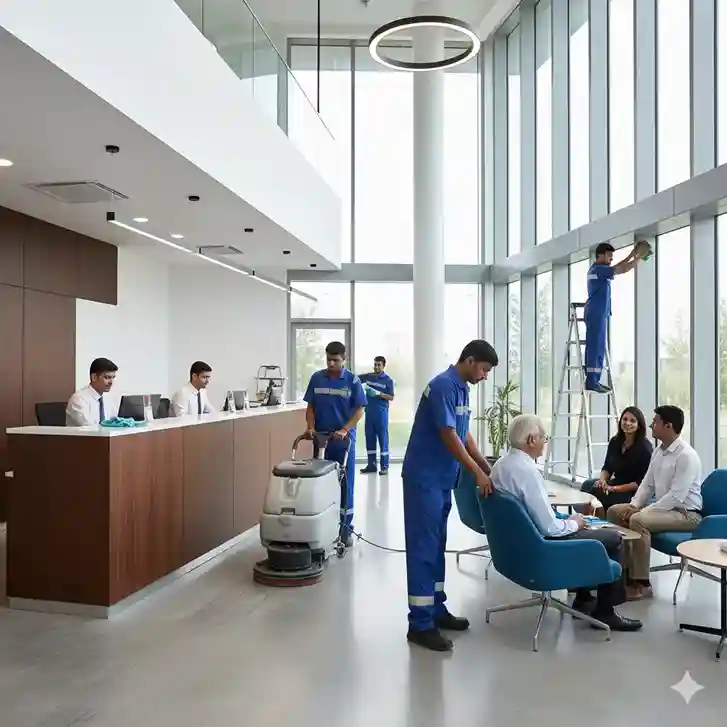
    Banking Service

    Banking

    Reliable cleaning & handyman support to maintain secure, professional, and welcoming banking spaces.

    Get a Quote
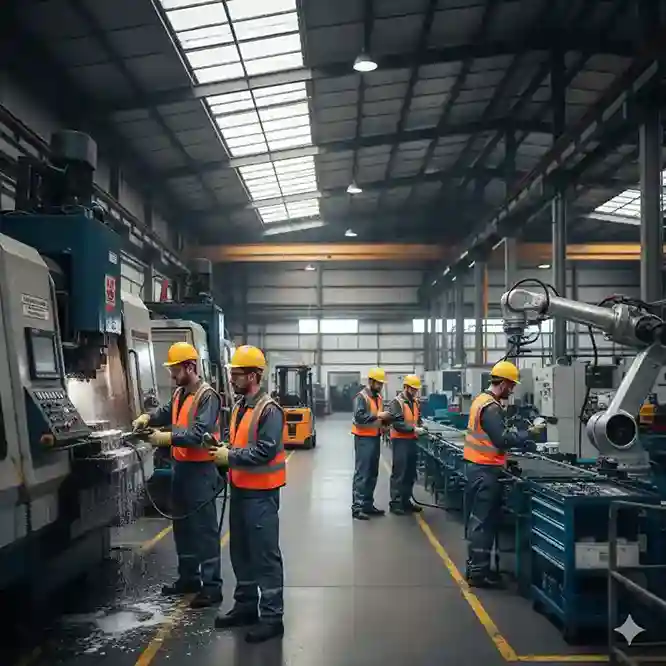
    Industrial Service

    Industrial / Manufacturing

    Deep cleaning, safety-focused maintenance, and equipment care tailored for factories and industrial sites.

    Get a Quote
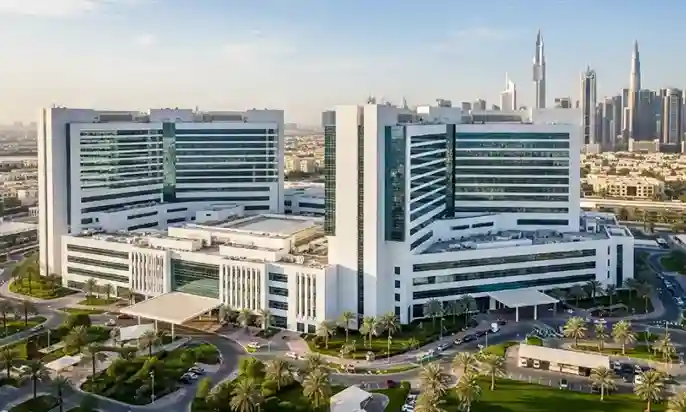
    Hospital exterior building view.

    Hospitality

    Complete housekeeping & facility services that enhance guest experience and maintain 5-star cleanliness.

    Get a Quote
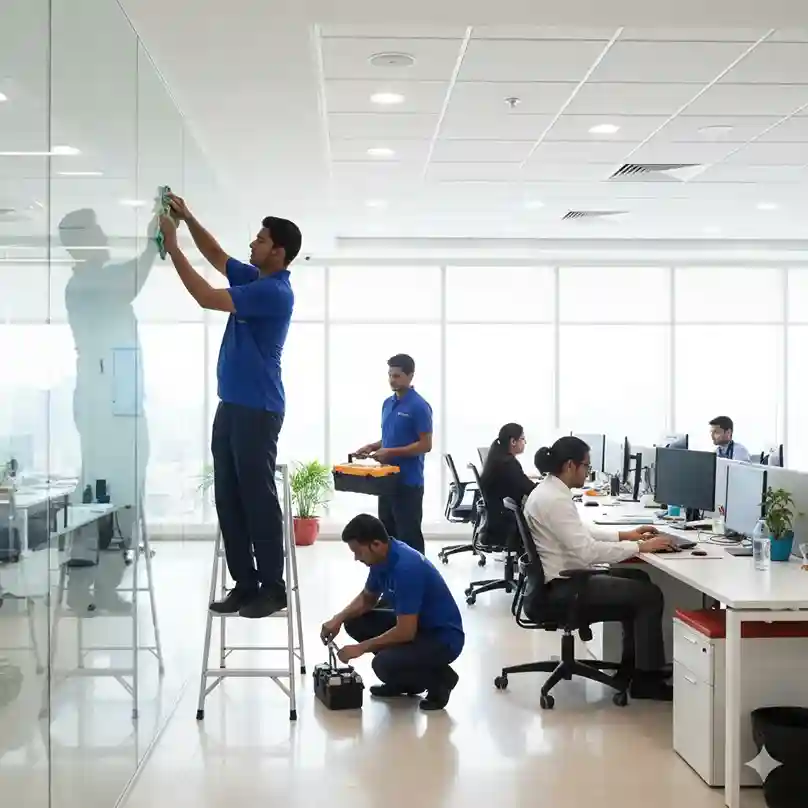
    Office Service

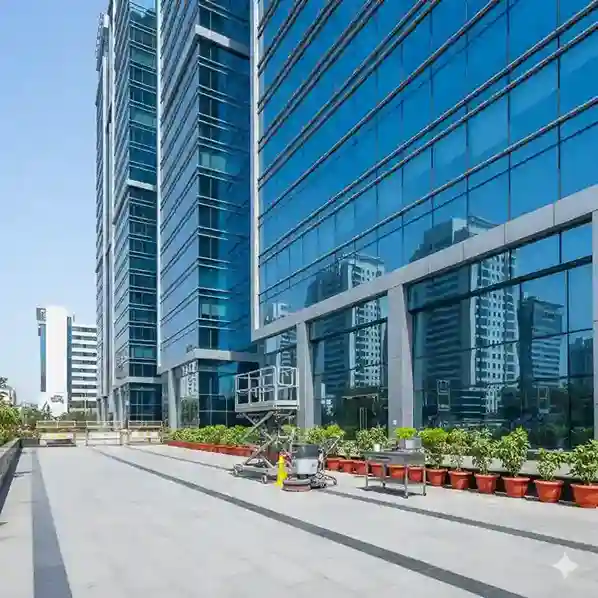
    Office

    End-to-end office maintenance including cleaning, repairs, and handyman services for productivity boost.

    Get a Quote
    Commercial Service

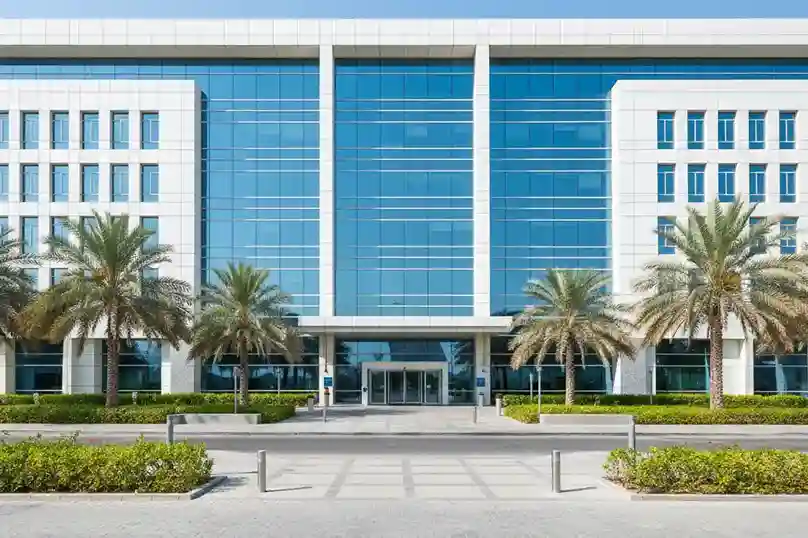
    Commercial

    Full-scale commercial facility management with cleaning, handyman repairs, and regular maintenance support.

    Get a Quote
    Residential Service

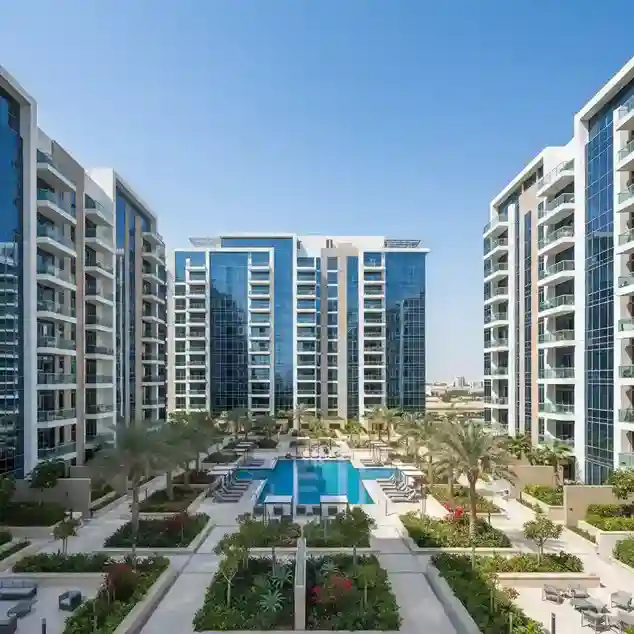
    Multi-Unit Residential

    Property upkeep, common area cleaning, and handyman services for apartments & housing societies.

    Get a Quote
    Non-Profit Service

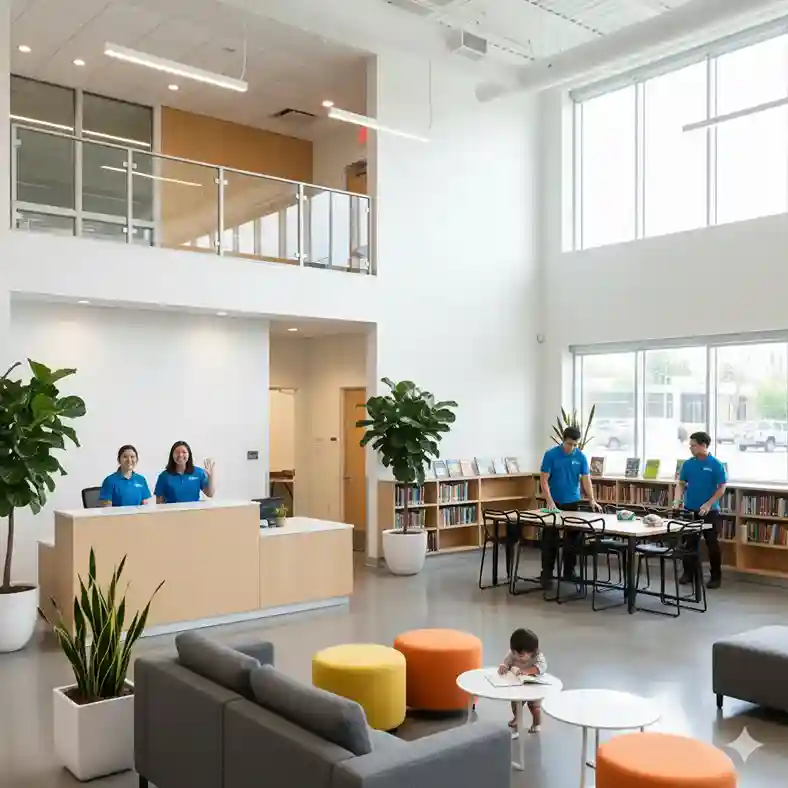
    Non-Profit

    Affordable facility services for NGOs & community centers ensuring clean, safe, and welcoming spaces.

    Get a Quote

    Case Studies

    Proven results from SLA-driven facility management projects across Dubai

    Case Study SnapFix Now

    Fountain & Lobby Enhancement

    CLIENT / LOCATION
    Corporate HQ DIFC
    CHALLENGE
    Lobby fountain failure impacted visitor experience.
    RESULT
    39% uptime achieved, positive client feedback
    View Case Study
    Energy Efficiency Solutions

    Energy Optimization Project

    CLIENT / LOCATION
    Hotel Apartments, Bur Dubai
    CHALLENGE
    High energy bills from inefficient HVAC operation.
    RESULT
    Energy savings of 22%, reduced OPEX
    View Case Study
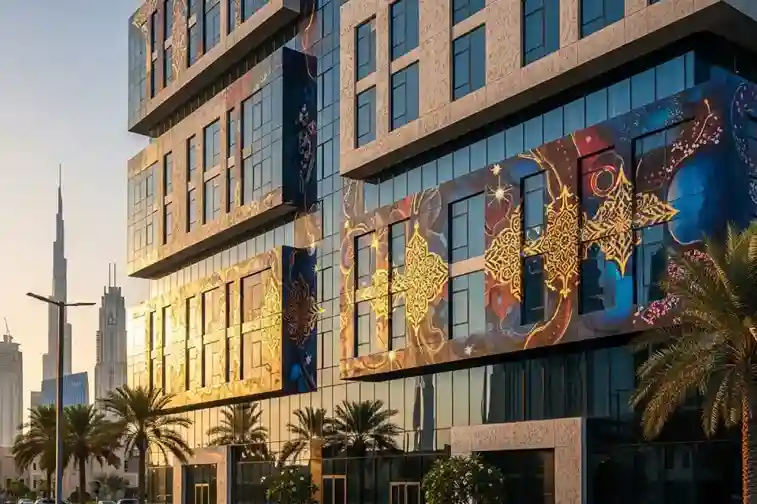
    Painting on SnapFixNow

    Exterior Facade & Painting

    CLIENT / LOCATION
    Residential Tower, Al Nahda
    CHALLENGE
    Weather damaged facade reduced property appeal.
    RESULT
    Increased occupancy rates and reduced vacancy cycle
    View Case Study
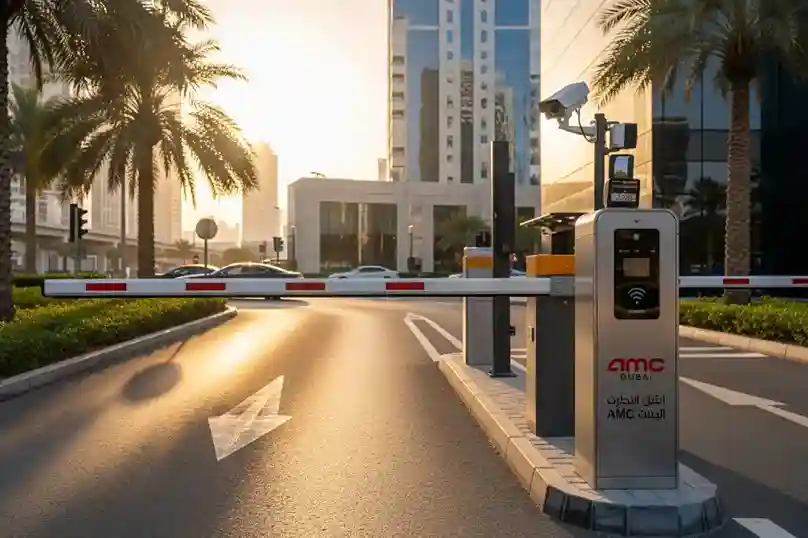
    Parking Barriers

    Parking Barriers & Access Control

    CLIENT / LOCATION
    Business Park, Sharjah Free Zone
    CHALLENGE
    Barrier failures caused tenant access issues.
    RESULT
    Reduced downtime by 90%
    View Case Study
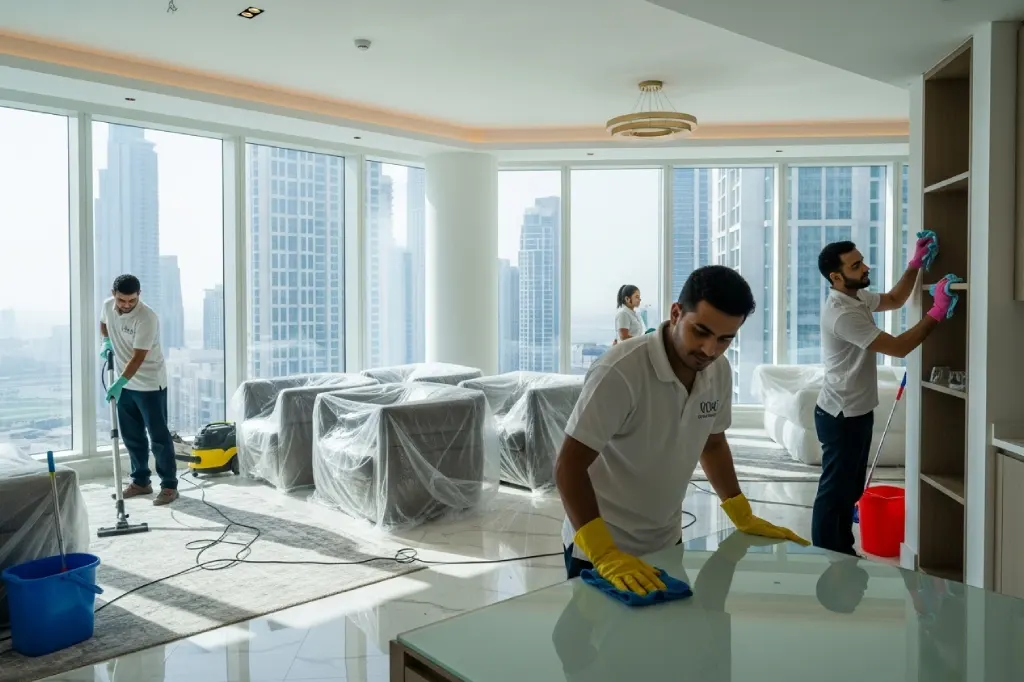
    Luxury Cleaning

    Post-Construction Cleaning – Luxury Project

    CLIENT / LOCATION
    Premium Developer, Downtown Dubai
    CHALLENGE
    Dust, joint residue, and adhesive marks delayed handovers.
    RESULT
    400 apartments handed over spotless in 5 weeks
    View Case Study
    OUR WORK

    See The Transformation

    Real results from our completed projects across Dubai. Drag the slider to compare before and after.
    before-hvac-DxRgjLKM after-hvac-CbtkH8vJ

    HVAC System Upgrade

    HVAC Installation
    before-cleaning-Dk6ROkAv after-cleaning-CgDmYM32

    Commercial Deep Cleaning

    Cleaning Service
    before-renovation-Bk64hXd3 after-renovation-21e1cJ_f

    Complete Apartment Renovation

    Renovation
    Want to see similar results for your property?
    WHY CHOOSE US

    Why Choose SnapFixNow

    We combine process, people and technology to deliver measurable outcomes that exceed expectations and drive continuous improvement for your business success.

    24/7 Support

    Round-the-clock availability for emergencies. Our dedicated team is always ready to respond to your facility needs, ensuring minimal downtime and maximum peace of mind.

    Certified Experts

    Highly trained and certified technicians with international standards compliance. Every team member undergoes rigorous training and holds relevant industry certifications.

    Guaranteed Results

    Quality-assured services with comprehensive warranties. We stand behind our work with performance guarantees and transparent SLA commitments for your complete satisfaction.

    Competitive Pricing

    Cost-effective solutions without compromising quality. Transparent pricing models, flexible payment options, and exceptional value for your facility management investment.

    ISO Certified

    ISO 9001:2015 Quality Management

    5+ Years

    Experience in Dubai

    500+ Clients

    Satisfied Customers

    Licensed & Insured

    Fully Certified Technicians

    99% Satisfaction

    Guarantee on All Services

    24/7 Support

    Emergency Response Available

    500+

    PROJECTS COMPLETED

    99%

    CLIENT SATISFACTION

    24/7

    HOUR AVAILABILITY

    50+

    EXPERT TECHNICIANS

    [ TESTIMONIALS ]

    REAL EXPERIENCES,
    REAL SATISFACTION

    Ahmed Al Mazrouei

    General Manager, InterContinental Hotel

    SnapFixNow is great for our hotel's maintenance and cleaning tasks. Using photos for communication is so easy and efficient for our team. I recommend SnapFixNow highly to any hotelier.

    ★★★★★

    Omar Al Ali

    Hospitality Business

    A fantastic product with great customer service. I've been with SnapFixNow for a few years now over two businesses and I will be continuing this relationship into the future. Highly recommended.

    ★★★★★

    AYESHA KHAN

    Facilities Manager, Jumeirah Hotels

    SnapFixNow has improved our maintenance team's productivity by approximately 30% and made it easy for non-facilities executive management to monitor our operations. A very efficient tool.

    ★★★★★

    MOHAMMED AL FALASI

    Facilities Manager

    Easy to use and saves time. Positive experience so far and the software has good potential to support our business needs in multiple ways going forward.

    ★★★★★

    Rohit Sharma

    Maintenance Head, Sofitel Dubai Downtown

    Excellent for our maintenance department. SnapFixNow makes it simple to assign tasks and follow up on completion across all staff.

    ★★★★★

    FATIMA AL SUWAIDI

    Facilities Manager, Dubai British School

    A really good facilities tool. All reactive work is logged efficiently and preventive maintenance is completed on schedule. Asset management features are excellent.

    ★★★★★
    SERVICE COVERAGE

    We Serve All Dubai

    Comprehensive facility management services across 15+ Dubai communities

    Downtown Dubai

    Premium

    Dubai Marina

    Residential

    Jumeirah Beach Residence

    Premium

    Business Bay

    Commercial

    Dubai Mall Area

    Commercial

    Arabian Ranches

    Residential

    Dubai Sports City

    Residential

    Palm Jumeirah

    Premium

    Emirates Hills

    Premium

    Dubai Silicon Oasis

    Residential

    International City

    Residential

    Deira

    Commercial

    Bur Dubai

    Residential

    Al Barsha

    Residential

    Jumeirah

    Premium

    FREQUENTLY ASKED

    Clients Asked Questions & Answers

    Find answers to the most common questions about our facility management services.

    Yes. We support common area maintenance, MEP systems, shared services, and on-demand unit support depending on scope.
    We work through defined request channels and SLA response frameworks, coordinated with property management.
    Yes. Preventive schedules are planned for key assets to reduce breakdown frequency and improve reliability.
    Yes. We support community-wide maintenance with asset grouping and structured reporting.
    Maintenance logs, visit reports, recurring issue summaries, and recommendations for corrective actions.

    Read the Latest Insights

    Explore trending topics to maintain and optimize your facilities, your most valuable business investment.

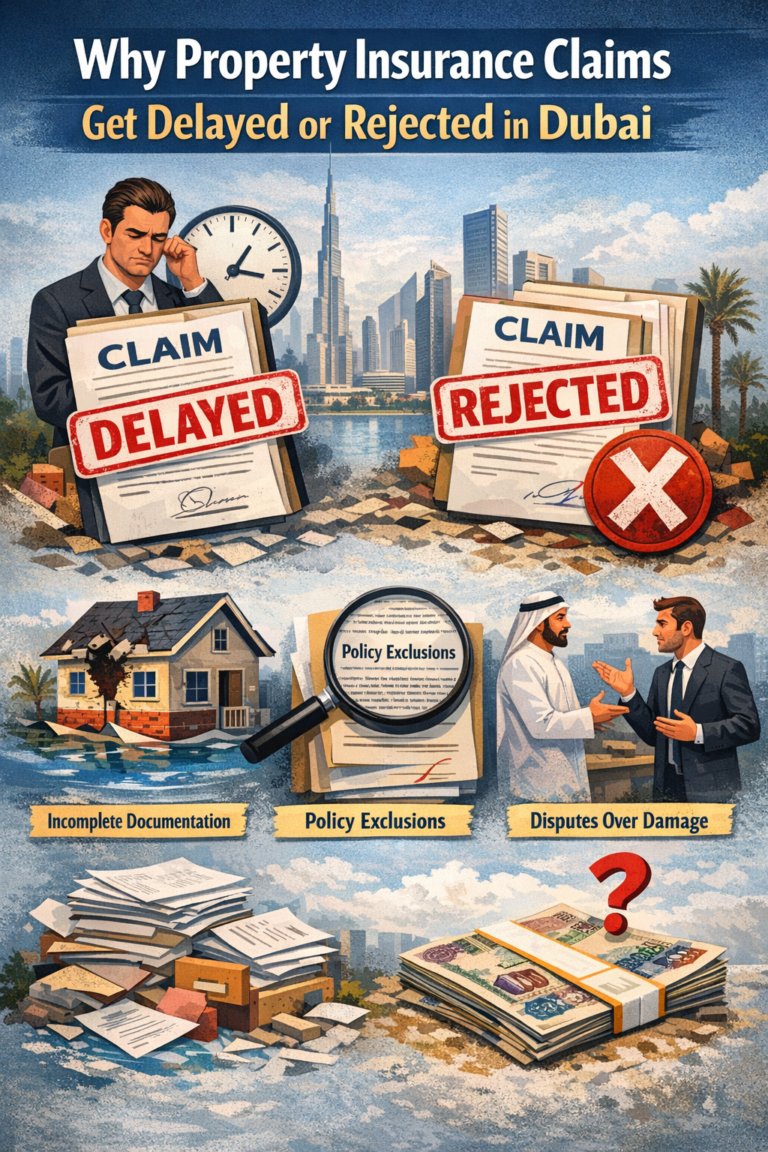
    Why Property Insurance Claims Get Delayed or Rejected in Dubai

    Why Property Insurance Claims Get Delayed or Rejected in Dubai

    Property insurance claims in Dubai are often delayed or partially rejected not because the damage is invalid, but because the claim file lacks the technical and procedural clarity insurers and loss adjusters require. For commercial buildings, offices, retail units, and hospitality assets, insurance claims typically fall under Business All Risk (BAR) or comprehensive property policies. These policies are technical by nature, and insurers assess them based on evidence, causation, policy conditions, and compliance, not intent alone. 1. Incomplete or Poor Documentation One of the most frequent causes of claim delays is insufficient or unstructured documentation. Common issues include photos without timestamps or scale reference, videos that show damage but not the cause, missing records of pre-damage condition, and the absence of a clear incident timeline. Insurers and loss adjusters generally expect documentation that answers three questions clearly: What failed? Why did it fail? What assets were affected as a result? 2. No Clear Identification of Root Cause Insurance coverage is triggered by insured causes of loss, not by damage alone. For example, sudden pipe rupture may be covered, whereas long-term seepage or corrosion may not be. Many claims fail because they focus on visible damage without technically establishing the root cause. Engineering-led assessment is critical at this stage. 3. Misunderstanding the Role of the Loss Adjuster A common misconception is that the loss adjuster acts on behalf of the policyholder. In reality, the loss adjuster is an independent investigator appointed by the insurer. Their role is to assess cause, extent, and policy applicability—not to advocate for either party. Managing this relationship professionally through clear documentation and factual reporting is key. 4. Repairs Undertaken Before Proper Assessment While quick restoration is often necessary, premature permanent repairs can complicate claims. Most policies include a Duty of Mitigation, requiring reasonable steps to prevent further damage. Acceptable mitigation actions include stopping active leaks, isolating power, or securing openings. The key is documenting mitigation actions while deferring permanent rectification until assessment is complete. 5. Contractor Quotes Without a Technical Narrative Contractor repair quotations typically describe what needs to be fixed but do not explain why the damage occurred or link it to an insured event. From an insurer’s perspective, a quote is a cost estimate—not claim justification. 6. Misalignment With Policy Terms and Conditions Insurance policies define covered perils, exclusions, limits, and conditions such as mitigation and notification requirements. Claims are often delayed when the incident description does not align clearly with policy wording. This requires technical interpretation rather than general reporting. How Professional Claim Support Improves Outcomes Specialized facility management companies such as SnapFixNow™ FMC support insurance claims by providing engineering-led documentation, including technical damage assessment, root cause analysis, evidence capture, timeline documentation, and claim-ready reporting aligned with insurer expectations. Dispute Resolution (When Required) In rare cases where claims remain unresolved despite proper documentation, policyholders may explore formal escalation channels. In the UAE, insurance oversight and dispute escalation mechanisms fall under the Central Bank of the UAE, which regulates insurance activities previously overseen by the Insurance Authority. Final Thought Most insurance claim challenges in Dubai arise from process gaps, not lack of coverage. With proper documentation, technical clarity, and structured mitigation, many delays and disputes can be avoided.

    January 20, 2026
    A Practical Guide to Facility Management in UAE

    A Practical Guide to Facility Management in UAE

    For property managers, asset owners, and procurement teams in the UAE, facility management is the operational engine that drives asset value, ensures tenant satisfaction, and mitigates risk. The objective is to move beyond reactive repairs and implement a strategic framework for managing the entire lifecycle of a building’s systems and services. Navigating the Facility Management Landscape in the UAE Facility management in Dubai and across the UAE presents a unique set of challenges and opportunities, driven by extreme climate conditions, rapid urban development, and technologically advanced buildings. It is a demanding environment where effective management is not just about maintenance, but about defending high-value assets against harsh conditions while delivering service levels that meet global standards. This guide is structured for B2B decision-makers. It provides clear frameworks for evaluating service models, establishing performance benchmarks, and making informed trade-offs between cost, risk, and service quality. Core Focus Areas for UAE Properties To maintain asset competitiveness and ensure regulatory compliance, decision-makers must focus on several key areas: Hard vs. Soft Services: A critical balance must be struck between maintaining core building infrastructure (MEP, HVAC) and elevating the user experience through services like cleaning and security. The former ensures operational integrity; the latter drives tenant retention. Technology Integration: The use of digital tools like CAFM and IoT is no longer optional. These platforms provide essential operational oversight, automate routine tasks, and enable data-driven maintenance decisions. Understanding ServiceNow's role in UAE enterprise transformation illustrates the depth of this integration. Asset-Specific Strategies: The operational requirements of a commercial tower in DIFC differ significantly from those of a residential community on Palm Jumeirah or an industrial warehouse in JAFZA. A one-size-fits-all approach is both ineffective and financially risky. The primary objective in the UAE market is to transition from a reactive, cost-centric model to a proactive, value-driven one. This requires prioritizing asset longevity, energy efficiency, and operational continuity as key business goals. This guide provides the analytical tools to make informed decisions that protect assets and advance organisational objectives. Hard vs. Soft Facility Management: What's the Difference in the UAE? In facility management, all tasks are categorized as either Hard FM or Soft FM. Understanding this distinction is fundamental for strategic planning, accurate budgeting, and protecting asset value within the UAE's commercial and regulatory environment. These two service categories are not in opposition; they are complementary. Together, they create a property that is safe, compliant, efficient, and a desirable place to occupy. Hard Facility Management (Hard FM) encompasses the technical core of a building—the physical, tangible infrastructure that enables it to function. These are non-negotiable systems; without them, a building cannot operate safely, legally, or efficiently. Conversely, Soft Facility Management (Soft FM) covers the services that shape the human experience within that building. While not physically integrated into the structure, these services are critical for tenant satisfaction, productivity, and maintaining the property's operational flow and aesthetic standards. The Unseen Engine: Why Hard FM is So Critical Hard FM services are intrinsically linked to the physical fabric of a building. In the UAE, where properties feature sophisticated building technologies and a climate that places extreme stress on mechanical systems, these services are paramount for asset longevity and operational continuity. Key components of Hard FM include: MEP Systems: Mechanical, Electrical, and Plumbing systems are the lifeblood of any modern building, covering power distribution, lighting, water supply, and drainage. HVAC Systems: Heating, Ventilation, and Air Conditioning. This is arguably the most critical Hard FM service in the region, directly impacting occupant comfort and accounting for 40-60% of a typical building's energy consumption. Fire Safety and Life Support Systems: These are non-negotiable services mandated by strict UAE Civil Defence codes, including fire alarms, sprinklers, emergency lighting, and smoke control systems. Building Management Systems (BMS): The centralized platform for monitoring and controlling a building's mechanical and electrical equipment, from chillers to lighting schedules. This diagram illustrates how both hard and soft services form the foundation of total facility management, directly impacting asset preservation and value enhancement. The structure is clear: neglecting either the technical or the experiential aspects of management will erode the long-term value of the physical asset. The Visible Difference: How Soft FM Shapes Experience While Hard FM ensures a building operates, Soft FM makes it a desirable place to live, work, or visit. These are the services tenants and visitors experience daily, directly shaping their perception of quality and value. Common Soft FM services include: Security and Manned Guarding Cleaning, Janitorial, and Pest Control Waste Management and Recycling Landscaping and Grounds Maintenance Reception and Concierge Services In a competitive real estate market like Dubai, high standards of Soft FM are not a luxury but a powerful differentiator that can significantly improve tenant retention and property reputation. To better understand the distinct roles and impacts of Hard and Soft FM, the following table provides a clear, side-by-side comparison tailored for UAE assets. Hard Services vs Soft Services: A Comparative Overview for UAE Assets Attribute Hard Facility Management (Hard FM) Soft Facility Management (Soft FM) Scope Tangible assets fixed to the building fabric (MEP, HVAC, BMS, fire safety). People-centric services enhancing the user experience (cleaning, security, landscaping, concierge). Impact Ensures safety, legal compliance, and operational functionality. Prevents catastrophic failures. Drives tenant satisfaction, productivity, property aesthetics, and brand perception. Cost Structure Primarily capital-intensive, with costs tied to asset replacement, predictive maintenance, and specialised technical labour. Primarily operational and labour-intensive, with costs tied to manpower, consumables, and service frequency. Priority Level Critical & Non-Negotiable. Failure poses immediate safety risks and can render a building unusable. Essential for Competitiveness. Poor service directly impacts tenant retention and property reputation. UAE Example (Commercial Tower) Maintaining the chiller plant, BMS, elevators, and facade cleaning systems. Providing lobby security, office cleaning services, and valet parking. UAE Example (Residential Villa) Servicing the AC units, water pump, and electrical distribution board. Managing waste collection, pest control, and swimming pool cleaning. This comparison highlights that while Hard FM is the technical backbone ensuring a property functions, Soft FM is

    January 20, 2026
    A Decision-Maker’s Guide to an Annual Maintenance Contract in Dubai

    A Decision-Maker’s Guide to an Annual Maintenance Contract in Dubai

    An Annual Maintenance Contract (AMC) in Dubai functions as a strategic asset management tool. It is a proactive agreement designed to maintain the operational integrity of critical systems—including HVAC, electrical, and plumbing—through scheduled, preventive servicing. This approach shifts an asset's maintenance profile from a reactive, high-cost emergency repair model to a structured, planned care framework. In the demanding climate and operational environment of the UAE, this is a fundamental strategy for asset value preservation. What an Annual Maintenance Contract Delivers in Practice For property managers, asset owners, and procurement leaders in Dubai, an Annual Maintenance Contract (AMC) is a governance instrument. It establishes control over maintenance activities, replacing unpredictable emergency call-outs with a scheduled, data-driven programme designed to optimise asset lifecycle and performance. At its core, an AMC is a service-level agreement between a property owner and a maintenance provider. It defines a clear scope and schedule of preventive tasks, ensuring a building's core systems operate not just functionally, but with optimal efficiency and safety in line with UAE regulations. Core Components of a Standard AMC Scope A typical annual maintenance contract in Dubai is structured around the "hard services" that are foundational to any building's operation. While customisation is standard, these elements form the baseline scope: HVAC Systems: This is the most critical component in the UAE. The scope includes scheduled inspections, filter cleaning/replacement, refrigerant level checks, and full functional diagnostics of all AC units. The objective is to ensure operational continuity and mitigate the risk of system failure during peak temperature periods. MEP Services: This encompasses the Mechanical, Electrical, and Plumbing systems. It involves proactive checks on water pumps, drainage systems, and electrical panels to identify and rectify minor faults before they escalate into significant operational failures. Electrical Systems: This covers inspections of distribution boards, circuit breakers, light fittings, and wiring. The primary goal is to ensure safety, compliance with DEWA standards, and the prevention of unplanned power outages. Plumbing and Water Systems: This includes scheduled inspections for latent leaks, potential blockages in drainage lines, and performance checks of water heaters and pumps. The focus is on preventing water damage and ensuring system reliability. A well-structured AMC provides more than technical servicing; it is a financial control mechanism. It offers budget predictability, supports compliance with local regulatory bodies, and actively preserves the long-term capital value of the property. The Strategic Shift from Reactive to Preventive Maintenance Relying on an ad-hoc, reactive call-out model exposes an asset to significant financial and operational risk. Without a formal AMC, management is locked into a cycle of waiting for system failure, then incurring premium costs for emergency remediation. This approach is not only more expensive over the asset lifecycle but also causes significant disruption to tenants or business operations. A structured AMC fundamentally inverts this model. By implementing a schedule of proactive maintenance, incipient faults are identified and resolved before they can trigger a systemic failure. Decision-makers should reference essential facilities management best practices, which universally advocate for planned maintenance as a core strategy. This approach delivers quantifiable outcomes: improved energy efficiency, enhanced tenant retention, and predictable operational expenditure (OPEX). Maintenance transforms from a variable cost centre into a strategic investment in asset value. Comparing Comprehensive vs Labour-Only AMCs Selecting the appropriate annual maintenance contract model is a critical decision that directly influences budgets, operational risk allocation, and asset performance. The Dubai market primarily offers two contract structures: Comprehensive AMCs and Labour-Only AMCs. Understanding the financial and operational mechanics of each is essential for aligning the maintenance strategy with organisational objectives. This decision path illustrates the strategic choice facing an asset owner when formulating a maintenance and risk mitigation plan. As the diagram indicates, the fundamental choice is between the proactive risk management of an AMC and the reactive, high-risk posture of ad-hoc repairs. The Comprehensive AMC Explained A Comprehensive Annual Maintenance Contract is an all-inclusive model that transfers the maximum level of risk from the asset owner to the service provider. The contract fee covers not only the technician's labour for scheduled preventive maintenance and emergency call-outs but also the cost of any spare parts required for repairs. This structure is designed for complete budget predictability. It functions as a fixed-cost operational policy for a property's critical MEP systems. A higher annual fee is paid in exchange for insulation from the unforeseen and often substantial costs of component failures during the contract term. For facility managers of high-value commercial assets or hospitality leaders, a Comprehensive AMC is often the default choice. The operational imperative for 100% uptime and absolute budget certainty outweighs the higher initial contract cost. A single critical failure can result in revenue loss far exceeding the AMC premium. In Dubai's commercial real estate market, formal maintenance agreements are standard practice. The UAE facility management growth trends project the market to reach USD 23.86 billion by 2026. Hard services, the core of AMCs, already represent 61.64% of this market, driven by the adoption of smart MEP systems and a shift toward predictive maintenance models. The Labour-Only AMC Explained Conversely, a Labour-Only Annual Maintenance Contract covers only the technician's labour for planned visits and breakdown response. The critical distinction is that the cost of all spare parts, consumables, and materials required for repairs is billed separately to the client. This model presents a lower initial contract price, which can be attractive for organisations with constrained operational budgets. However, it introduces significant financial uncertainty. While labour costs are fixed, the total annual maintenance expenditure becomes variable and unpredictable. A major component failure, such as an HVAC compressor or a primary water pump, can trigger a large, unbudgeted invoice, disrupting financial planning. This structure effectively transfers the financial risk of parts failure from the service provider back to the asset owner. A Head-to-Head Comparison of AMC Models An effective decision requires a clear evaluation of the trade-offs between cost, risk transfer, and administrative overhead. The following table provides a direct comparison of the two primary contract types to aid in this

    January 19, 2026
    Evaluating a Building Maintenance Company in Dubai: A Decision Framework for Asset Managers

    Evaluating a Building Maintenance Company in Dubai: A Decision Framework for Asset Managers

    Selecting a maintenance partner in Dubai requires a critical decision on the service model that aligns with your asset strategy and budget. This initial choice—between a predictable, all-inclusive contract and a more flexible, pay-as-you-go approach—forms the foundation of your engagement with any building maintenance company in Dubai. It directly shapes your operational expenditure (OPEX), risk allocation, and asset lifecycle management. Choosing the Right Maintenance Model for Your Dubai Property A maintenance model is the financial blueprint for your property's operational health. In Dubai's dynamic real estate market, this decision governs cost control, mitigates the impact of the harsh climate on assets, and influences tenant or occupant satisfaction. The primary models are Comprehensive Annual Maintenance Contracts (AMCs), Non-Comprehensive (or Labour-Only) AMCs, and reactive On-Demand services. Each model is structured for different property types, risk appetites, and management philosophies. Dubai's real estate expansion drives significant demand for structured maintenance. The UAE's facility management market was valued at US$ 11.6 billion in 2024 and is projected to grow at a CAGR of 11.5%. This growth is fuelled by continuous development; for instance, Dubai registered 30,098 real estate sales in Q2 2023 alone, a 35% increase from 22,322 transactions in the same quarter of 2022. Each new asset requires a defined facility management strategy to preserve its value. Matching the Model to Your Asset The risk profile and operational requirements vary significantly by asset type. A Grade-A commercial tower in DIFC with mission-critical MEP (Mechanical, Electrical, Plumbing) systems has a different risk tolerance than a large-scale residential community in a suburban area. The tower's facility manager requires guaranteed uptime and budget certainty, making a comprehensive AMC the logical choice to transfer operational risk. The community manager might favour the cost control of a non-comprehensive model, where routine inspections are covered, but major capital repairs require separate approval and funding. A maintenance contract is more than a service agreement; it is a strategic risk allocation tool. The core decision for an asset manager is determining the optimal balance of financial and operational risk to retain versus transfer to the service provider. This decision tree provides a framework for selecting a maintenance model based on key business drivers like budget predictability, cost flexibility, or response urgency. As the diagram illustrates, if fixed annual costs and minimal budget variance are primary objectives, a comprehensive model is indicated. If greater control over variable expenses and a higher tolerance for risk are acceptable, a non-comprehensive or on-demand solution may be more suitable. Breaking Down the Core Models A detailed understanding of these agreement structures is essential for proper vendor evaluation. Each model has distinct implications for your budget, asset lifecycle planning, and risk management. Comprehensive AMCs: This is an all-inclusive model covering labour, spare parts, and consumables for both planned preventive maintenance (PPM) and emergency reactive call-outs. It offers maximum budget predictability, simplifying financial forecasting. This model is standard for critical infrastructure and premium properties where asset downtime carries significant financial or reputational consequences. Non-Comprehensive AMCs: This is primarily a "labour-only" agreement. It typically covers the cost of technicians for scheduled PPM and emergency responses. However, spare parts, materials, and major repairs are billed separately as incurred. This model offers a lower fixed upfront cost and greater flexibility, but it exposes the budget to fluctuations and requires the owner to carry the risk of major component failure. On-Demand (Pay-Per-Use) Services: This is a purely reactive model. A service provider is engaged only when a fault occurs. It can be suitable for smaller properties with non-critical systems or for organisations with an in-house team managing routine tasks. The significant drawback is the lack of proactive maintenance, which can lead to catastrophic failures and higher long-term costs. The following table provides a side-by-side comparison to aid in selecting the appropriate contract type based on specific property requirements. Comparing Maintenance Contract Models at a Glance Contract Model Scope of Work Cost Structure Best Suited For Risk Allocation (Owner vs. Provider) Comprehensive AMC Covers all labour, spare parts, and consumables for preventive and reactive tasks. Fixed annual fee. Critical infrastructure, premium commercial towers, properties where uptime is paramount. Low risk for owner; most financial and operational risk is transferred to the provider. Non-Comprehensive AMC Covers labour for scheduled preventive work and call-outs. Parts and major repairs are extra. Lower fixed annual fee + variable costs for parts/repairs. Residential communities, mid-range commercial buildings, owners wanting more cost control. Shared risk; owner retains risk for part costs and major failures. On-Demand (Pay-Per-Use) Reactive repairs and services only when requested. No preventive maintenance included. Billed per job (labour + materials). Small properties, non-critical assets, businesses with in-house teams for basic tasks. High risk for owner; all financial and operational risk is retained by the owner. Ultimately, the right choice balances your tolerance for financial risk against your need for operational certainty. When defining the scope, understanding the quality of specific services, such as top-quality commercial door repairs and maintenance services, is crucial. The true value of any contract is defined by how well it preserves the specific assets you rely on. For a more detailed analysis of contract structures, see this guide on understanding annual maintenance contract types for residential versus commercial properties. Understanding Hard and Soft Maintenance Services To effectively evaluate a building maintenance company in Dubai, decision-makers must distinguish between the two pillars of facility management: Hard Services and Soft Services. This distinction is fundamental, as it defines the scope of work, key cost drivers, and the technical competencies required to maintain an asset's operational integrity and value. Hard Services are analogous to a building's vital organs and central nervous system—the critical systems physically integrated into the structure that are essential for its function. Soft Services, conversely, relate to the occupant experience, creating a clean, safe, and productive environment within the building. Defining Hard Maintenance Services Hard Services encompass all maintenance related to the physical fabric and core systems of a building. These tasks require certified, skilled technicians and are strictly governed by

    January 18, 2026

    Enhance Your Residents' Living Experience

    Get a free assessment and see how we can improve your tower operations

    Call Now Button