SnapFixNow

Retail & Shopping Malls

Complete Engineering for Retail & Shopping Malls in Dubai

24/7 Uptime • Zero Disruptions • Maximum Footfall

Get Your Free Quote

Professional facility management services


    Retail and shopping malls operate under intense pressure:

    Zero tolerance for downtime

    Tenant complaints can escalate quickly

    Mall management must coordinate dozens of vendors

    High operational cost & maintenance unpredictability

    High safety & compliance requirements

    Systems run 14–18 hours a day

    HVAC & power failures directly affect revenue

    SnapFixNow replaces the complexity of managing multi-system engineering.

    We handle everything — operations, compliance, vendors, energy, emergencies, and KPIs — for one fixed monthly fee.

    Why Shopping Malls & Retail Spaces Choose SnapFixNow

    Pain → Solution (Optimized for Retail & Mall Management)

    High Cost of Multi-Discipline Teams

    → One Fixed Monthly Engineering Contract

    Malls require engineers across HVAC, MEP, Electrical, Fire & Safety, Civil, Pumps, Escalators, BMS, CCTV, and Emergency Systems. Managing this in-house means high salary overhead, HR admin + visas, overtime & shift management, skill gaps, coverage issues during peak hours, and frequent emergency call-out charges.

    SnapFixNow Solution

    Zero Tolerance for Breakdowns

    → SLAs for Critical Mall Systems

    Breakdowns lead to significant tenant disruption, reduced footfall, and negatively affect the mall’s overall reputation. They also create safety risks and contribute to considerable revenue loss across retail zones, making timely maintenance and swift issue resolution essential.

    SnapFixNow Solution

    Tenant Complaints

    → Dedicated Mall-Tenant Engineering Interface

    Typical complaints include unit not cooling/heating, low power or tripping issues, exhaust imbalance, water leakages, fire alarm interfacing problems, and storefront lighting failures.

    SnapFixNow Solution

    Compliance Pressure

    → Full Regulation & AMC Management

    Retail & malls must adhere to DCD (Fire & Life Safety), DEWA, Municipality, Civil Defense inspections, food court safety standards, water tank testing, and elevator & escalator AMCs.

    SnapFixNow Solution

    HVAC, Chiller & Exhaust Issues

    → Energy & Comfort Optimization

    Malls consume huge HVAC energy due to long operating hours, high occupancy, large open spaces, and food court heat load.

    SnapFixNow Solution

    Spare Parts Leakage & Inventory Loss

    → Digital Store Control

    Large malls lose money due to misuse of materials, wrong issuance, dead stock, no tracking, and uncontrolled supplier purchases.

    SnapFixNow Solution

    High Cost of Multi-Discipline Teams

    → One Fixed Monthly Engineering Contract

    Malls require engineers across HVAC, MEP, Electrical, Fire & Safety, Civil, Pumps, Escalators, BMS, CCTV, and Emergency Systems. Managing this in-house means high salary overhead, HR admin + visas, overtime & shift management, skill gaps, coverage issues during peak hours, and frequent emergency call-out charges.

    SnapFixNow Solution

    Zero Tolerance for Breakdowns

    → SLAs for Critical Mall Systems

    Breakdowns lead to significant tenant disruption, reduced footfall, and negatively affect the mall’s overall reputation. They also create safety risks and contribute to considerable revenue loss across retail zones, making timely maintenance and swift issue resolution essential.

    SnapFixNow Solution

    Tenant Complaints

    → Dedicated Mall-Tenant Engineering Interface

    Typical complaints include unit not cooling/heating, low power or tripping issues, exhaust imbalance, water leakages, fire alarm interfacing problems, and storefront lighting failures.

    SnapFixNow Solution

    Compliance Pressure

    → Full Regulation & AMC Management

    Retail & malls must adhere to DCD (Fire & Life Safety), DEWA, Municipality, Civil Defense inspections, food court safety standards, water tank testing, and elevator & escalator AMCs.

    SnapFixNow Solution

    HVAC, Chiller & Exhaust Issues

    → Energy & Comfort Optimization

    Malls consume huge HVAC energy due to long operating hours, high occupancy, large open spaces, and food court heat load.

    SnapFixNow Solution

    Spare Parts Leakage & Inventory Loss

    → Digital Store Control

    Large malls lose money due to misuse of materials, wrong issuance, dead stock, no tracking, and uncontrolled supplier purchases.

    SnapFixNow Solution

    The SnapFixNow Guarantee

    Retail & Mall Excellence

    24/7 uptime guarantee for critical systems

    Energy savings (10–25%)

    Transparent SLA dashboards

    Tenant satisfaction improvement

    Full regulatory compliance

    Single-point engineering accountability

    BEST SUITED

    INDUSTRIES WE
    SERVE

    [ OUR EXPERTISE ]

    INDUSTRIES WE
    PROUDLY SERVE

    Banking Service

    Banking

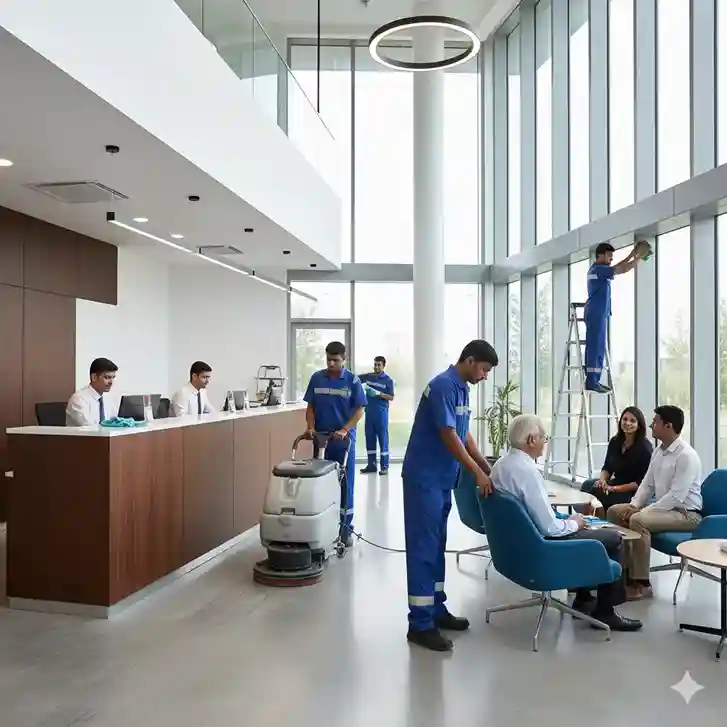
    Reliable cleaning & handyman support to maintain secure, professional, and welcoming banking spaces.

    Get a Quote
    Industrial Service

    Industrial / Manufacturing

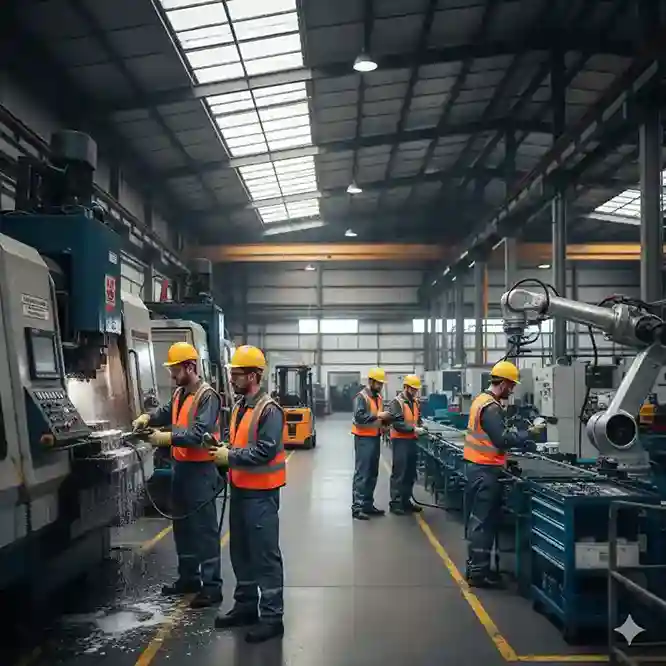
    Deep cleaning, safety-focused maintenance, and equipment care tailored for factories and industrial sites.

    Get a Quote
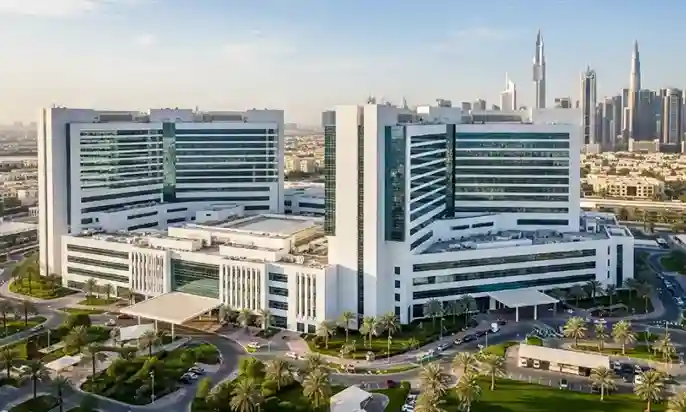
    Hospital exterior building view.

    Hospitality

    Complete housekeeping & facility services that enhance guest experience and maintain 5-star cleanliness.

    Get a Quote
    Office Service

    Office

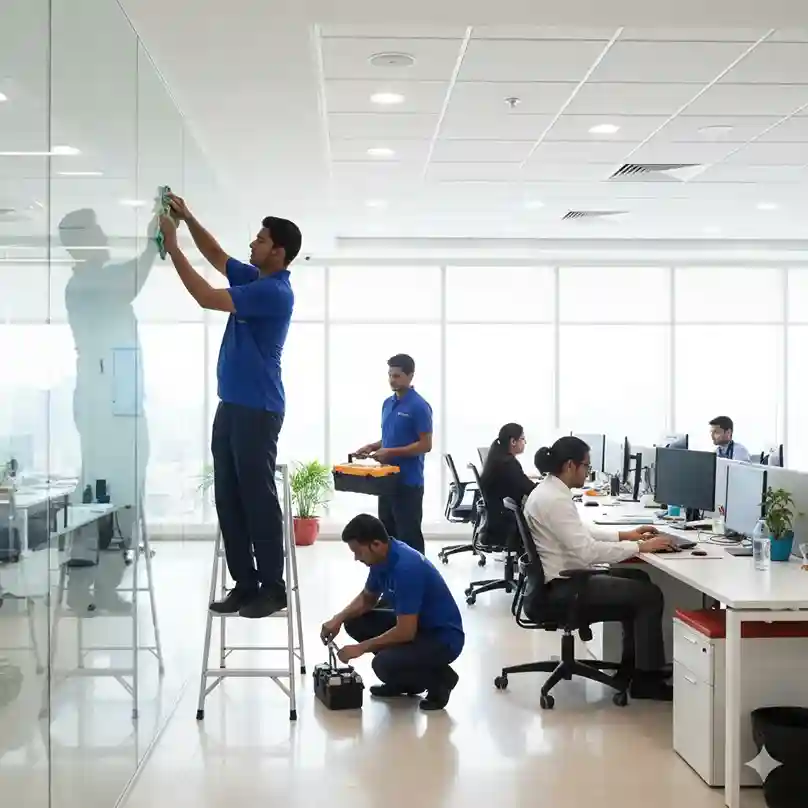
    End-to-end office maintenance including cleaning, repairs, and handyman services for productivity boost.

    Get a Quote
    Commercial Service

    Commercial

    Full-scale commercial facility management with cleaning, handyman repairs, and regular maintenance support.

    Get a Quote
    Residential Service

    Multi-Unit Residential

    Property upkeep, common area cleaning, and handyman services for apartments & housing societies.

    Get a Quote
    Non-Profit Service

    Non-Profit

    Affordable facility services for NGOs & community centers ensuring clean, safe, and welcoming spaces.

    Get a Quote

    Case Studies

    Proven results from SLA-driven facility management projects across Dubai

    Case Study SnapFix Now

    Fountain & Lobby Enhancement

    CLIENT / LOCATION
    Corporate HQ DIFC
    CHALLENGE
    Lobby fountain failure impacted visitor experience.
    RESULT
    39% uptime achieved, positive client feedback
    View Case Study
    Energy Efficiency Solutions

    Energy Optimization Project

    CLIENT / LOCATION
    Hotel Apartments, Bur Dubai
    CHALLENGE
    High energy bills from inefficient HVAC operation.
    RESULT
    Energy savings of 22%, reduced OPEX
    View Case Study
    Painting on SnapFixNow

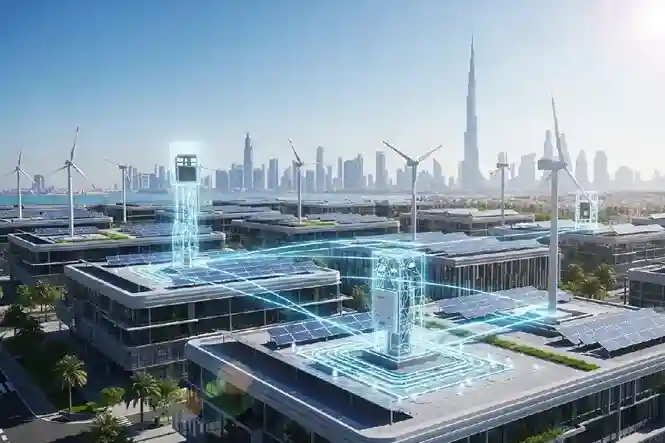
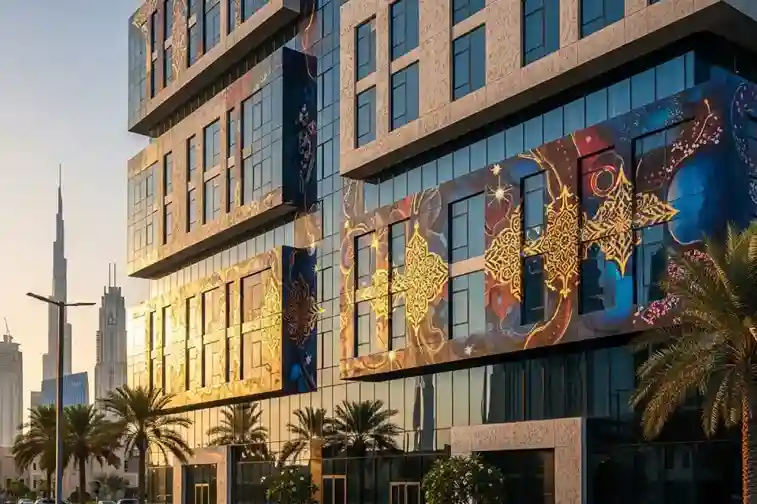
    Exterior Facade & Painting

    CLIENT / LOCATION
    Residential Tower, Al Nahda
    CHALLENGE
    Weather damaged facade reduced property appeal.
    RESULT
    Increased occupancy rates and reduced vacancy cycle
    View Case Study
    Parking Barriers

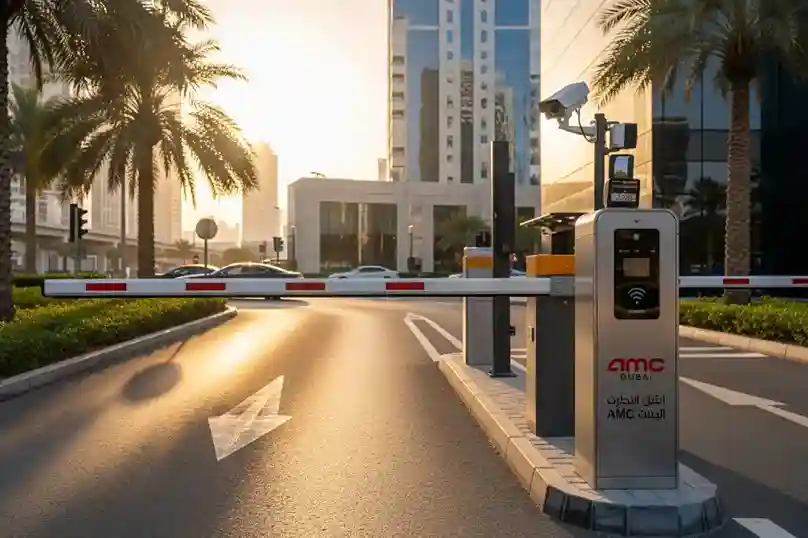
    Parking Barriers & Access Control

    CLIENT / LOCATION
    Business Park, Sharjah Free Zone
    CHALLENGE
    Barrier failures caused tenant access issues.
    RESULT
    Reduced downtime by 90%
    View Case Study
    Luxury Cleaning

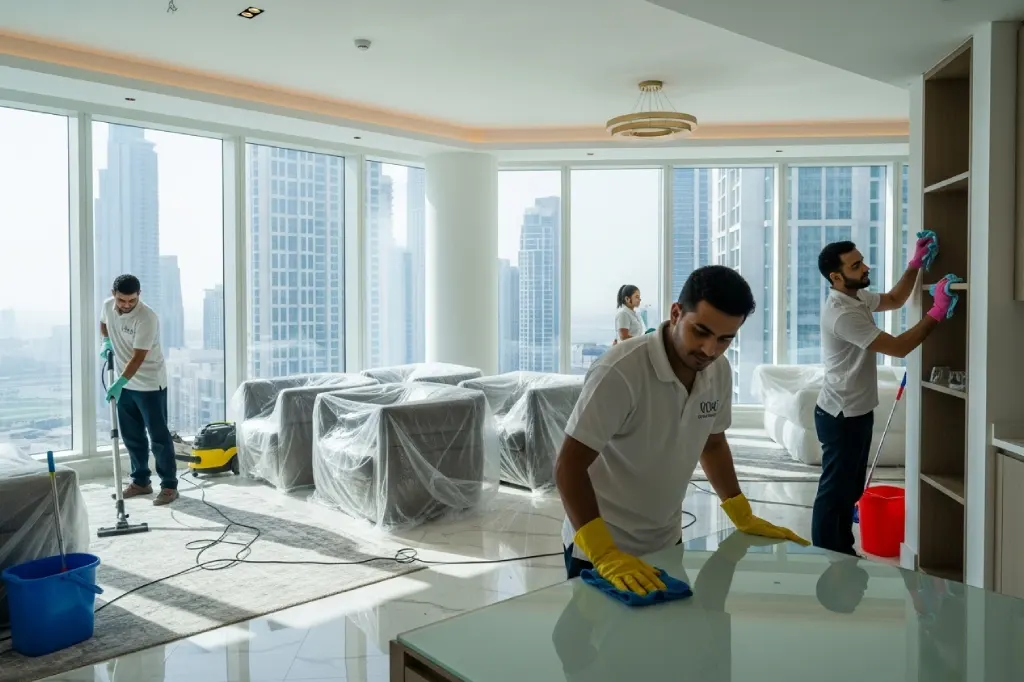
    Post-Construction Cleaning – Luxury Project

    CLIENT / LOCATION
    Premium Developer, Downtown Dubai
    CHALLENGE
    Dust, joint residue, and adhesive marks delayed handovers.
    RESULT
    400 apartments handed over spotless in 5 weeks
    View Case Study
    OUR WORK

    See The Transformation

    Real results from our completed projects across Dubai. Drag the slider to compare before and after.
    before-hvac-DxRgjLKM after-hvac-CbtkH8vJ

    HVAC System Upgrade

    HVAC Installation
    before-cleaning-Dk6ROkAv after-cleaning-CgDmYM32

    Commercial Deep Cleaning

    Cleaning Service
    before-renovation-Bk64hXd3 after-renovation-21e1cJ_f

    Complete Apartment Renovation

    Renovation
    Want to see similar results for your property?
    WHY CHOOSE US

    Why Choose SnapFixNow

    We combine process, people and technology to deliver measurable outcomes that exceed expectations and drive continuous improvement for your business success.

    24/7 Support

    Round-the-clock availability for emergencies. Our dedicated team is always ready to respond to your facility needs, ensuring minimal downtime and maximum peace of mind.

    Certified Experts

    Highly trained and certified technicians with international standards compliance. Every team member undergoes rigorous training and holds relevant industry certifications.

    Guaranteed Results

    Quality-assured services with comprehensive warranties. We stand behind our work with performance guarantees and transparent SLA commitments for your complete satisfaction.

    Competitive Pricing

    Cost-effective solutions without compromising quality. Transparent pricing models, flexible payment options, and exceptional value for your facility management investment.

    ISO Certified

    ISO 9001:2015 Quality Management

    5+ Years

    Experience in Dubai

    500+ Clients

    Satisfied Customers

    Licensed & Insured

    Fully Certified Technicians

    99% Satisfaction

    Guarantee on All Services

    24/7 Support

    Emergency Response Available

    500+

    PROJECTS COMPLETED

    99%

    CLIENT SATISFACTION

    24/7

    HOUR AVAILABILITY

    50+

    EXPERT TECHNICIANS

    [ TESTIMONIALS ]

    REAL EXPERIENCES,
    REAL SATISFACTION

    Ahmed Al Mazrouei

    General Manager, InterContinental Hotel

    SnapFixNow is great for our hotel's maintenance and cleaning tasks. Using photos for communication is so easy and efficient for our team. I recommend SnapFixNow highly to any hotelier.

    ★★★★★

    Omar Al Ali

    Hospitality Business

    A fantastic product with great customer service. I've been with SnapFixNow for a few years now over two businesses and I will be continuing this relationship into the future. Highly recommended.

    ★★★★★

    AYESHA KHAN

    Facilities Manager, Jumeirah Hotels

    SnapFixNow has improved our maintenance team's productivity by approximately 30% and made it easy for non-facilities executive management to monitor our operations. A very efficient tool.

    ★★★★★

    MOHAMMED AL FALASI

    Facilities Manager

    Easy to use and saves time. Positive experience so far and the software has good potential to support our business needs in multiple ways going forward.

    ★★★★★

    Rohit Sharma

    Maintenance Head, Sofitel Dubai Downtown

    Excellent for our maintenance department. SnapFixNow makes it simple to assign tasks and follow up on completion across all staff.

    ★★★★★

    FATIMA AL SUWAIDI

    Facilities Manager, Dubai British School

    A really good facilities tool. All reactive work is logged efficiently and preventive maintenance is completed on schedule. Asset management features are excellent.

    ★★★★★
    SERVICE COVERAGE

    We Serve All Dubai

    Comprehensive facility management services across 15+ Dubai communities

    Downtown Dubai

    Premium

    Dubai Marina

    Residential

    Jumeirah Beach Residence

    Premium

    Business Bay

    Commercial

    Dubai Mall Area

    Commercial

    Arabian Ranches

    Residential

    Dubai Sports City

    Residential

    Palm Jumeirah

    Premium

    Emirates Hills

    Premium

    Dubai Silicon Oasis

    Residential

    International City

    Residential

    Deira

    Commercial

    Bur Dubai

    Residential

    Al Barsha

    Residential

    Jumeirah

    Premium

    FREQUENTLY ASKED

    Clients Asked Questions & Answers

    Find answers to the most common questions about our facility management services.

    Yes. We support maintenance for common areas, back-of-house systems, and tenant coordination as per scope.
    Yes. Works can be scheduled after-hours or in defined windows to reduce disruption to customers and tenants.
    We coordinate through mall management, defined access procedures, and planned schedules where possible.
    Yes. Critical failures can be handled within defined SLA response time agreements.
    Yes. We provide clear service reports, issue logs, and recommendations for planned improvements.

    Read the Latest Insights

    Explore trending topics to maintain and optimize your facilities, your most valuable business investment.

    Shopping Mall Maintenance in Dubai: A Guide for Retail Asset Managers

    Shopping Mall Maintenance in Dubai: A Guide for Retail Asset Managers

    This guide provides a technical and operational framework for retail asset managers, facility managers, and mall operators responsible for high-value properties in Dubai. It moves the discussion of shopping mall maintenance in Dubai from routine tasks to a core strategic function for preserving asset value, ensuring regulatory compliance, and managing operational and financial risk. The focus is on the practical trade-offs between operational resilience and financial performance in one of the world's most demanding retail environments, framed from the perspective of an independent technical consultant. An Executive Summary for Retail Asset Managers Effective management of a retail asset in the UAE requires a maintenance strategy founded on operational reality and financial foresight. This is not about simply fixing faults; it is about optimising asset lifecycle and controlling OPEX. The primary challenge lies in protecting multi-million dirham infrastructure from the relentless stress of the Dubai climate and the high-volume foot traffic inherent to successful retail operations. This guide provides an engineering-led analysis of a maintenance framework, clarifying key decision points. We will focus on: Climate-Driven Stress: The operational impact of extreme heat, high humidity cycles, and significant dust loading on mission-critical HVAC and MEP systems. Regulatory Compliance: The stringent codes from Dubai Municipality and Dubai Civil Defence, where non-compliance carries direct financial and operational penalties. Operational Constraints: The logistical challenges of executing major maintenance and rectification works within narrow, overnight windows to avoid disrupting tenant and customer activity. A structured approach to shopping mall maintenance services is directly correlated with tenant satisfaction and retention. In Dubai’s retail sector, prime assets report occupancy rates that can average 98%. Maintaining this performance, particularly when super-regional mall rents can reach AED 2,000 per square foot, depends on proactive upkeep that prevents failures. For market context, review the latest Dubai retail market performance from recent reports. The fundamental decision for an asset manager is a trade-off: a planned, preventive maintenance model versus a reactive, failure-based approach. The former requires an upfront investment but yields predictable costs and extends asset lifecycle. The latter often results in a significantly higher total cost of ownership due to unplanned downtime and premium rectification rates. This guide helps weigh these trade-offs, scope effective contracts, and build a maintenance strategy that safeguards the asset’s value and operational integrity. Why Shopping Malls Require Specialized Maintenance A shopping mall is not a large commercial building; it is a high-traffic, high-risk ecosystem. Treating its maintenance with a generic property management approach is a direct route to operational failure. The risks and financial consequences of downtime are in a different category, demanding a strategy built around resilience, public safety, and continuous operational flow. The primary differentiator is human scale. An office building manages predictable, controlled traffic. A mall handles thousands—often hundreds of thousands—of people daily. This relentless flow puts extreme strain on civil infrastructure, from flooring and facades to washrooms and car parks. The Impact of High Footfall on Civil Assets This constant movement accelerates the depreciation cycle for all common area assets. A standard cleaning rota or a reactive "fix-when-broken" approach is insufficient. A robust, proactive plan is required to stay ahead of wear and tear on every high-contact surface and system. Specialised attention must be focused here: Vertical Transportation: Escalators and elevators are critical for shopper circulation. A single escalator breakdown during peak hours can cause significant congestion, introduce safety hazards, and negatively impact the visitor experience. Their upkeep demands daily operational checks and strict adherence to the manufacturer's preventive service schedule. Flooring and Finishes: The constant abrasion from foot traffic, trolleys, and cleaning machinery requires durable materials and a maintenance plan focused on rectification and deep cleaning to preserve the asset’s premium positioning. Public Amenities: Washrooms and parenting rooms directly reflect the mall's operational standards. A plumbing failure or a non-functional fixture is not a minor issue; it is a direct cause of customer and tenant complaints. The Chiller Plant as a Critical Life-Support System The most significant differentiator is the mall's absolute reliance on its large-scale, centralised HVAC system. In Dubai's climate, the chiller plant is the life-support system for the entire facility. A partial failure can render entire sections of the mall uninhabitable within minutes, leading to an immediate loss of tenant revenue and significant operational disruption. For this reason, top-tier retail facility management solutions treat HVAC system health as a top priority, focusing on predictive analytics, redundancy checks, and iron-clad rapid response protocols. The Logistical Challenge of the Overnight Maintenance Window The complexity is compounded by the inability to shut down systems for repairs during operating hours. Major works, system overhauls, and noisy preventive tasks are restricted to a narrow overnight window, typically between midnight and 8 a.m. This logistical constraint requires meticulous planning, pre-fabrication of components, and a highly efficient technical team. Any delay risks disrupting tenant fit-out schedules or, in a worst-case scenario, delaying the mall's opening—a direct impact on revenue. The case for specialised maintenance for retail & shopping malls is a business necessity, directly linked to tangible risks including tenant churn, lease renewals, brand reputation, and the long-term preservation of asset value. A generic approach lacks the rigour to protect against these highly specialised risks. Common Maintenance Risks in Retail & Mall Environments Effective shopping mall maintenance in Dubai is fundamentally about risk management. The asset manager's role is to identify potential failure points before they escalate into operational crises that impact business continuity. These are not abstract issues; they are direct threats to revenue, tenant relations, and regulatory standing. In a mall's interconnected infrastructure, a single system failure can trigger a domino effect, causing widespread disruption. Understanding these high-probability, high-impact risks is the first step toward building a resilient maintenance plan. MEP System Failures and Cascading Impacts Mechanical, Electrical, and Plumbing (MEP) systems form the operational backbone of the facility. A failure here directly threatens business operations. Common causes include deferred maintenance, an inadequate Annual Maintenance Contract (AMC), or the use of non-specialised technicians for complex systems. Common failure scenarios include: Electrical Faults:

    February 21, 2026
    Resort Maintenance in Dubai: Preventing Downtime in High-Value Assets

    Resort Maintenance in Dubai: Preventing Downtime in High-Value Assets

    In Dubai's demanding hospitality sector, resort maintenance is a critical revenue protection function, not a line item on an OPEX budget. The objective is to transition from a reactive "break-fix" cycle to a proactive, engineering-led strategy. This approach ensures high-value, guest-facing assets operate at peak performance under the constant stress of the local climate and 24/7 operational demands, safeguarding both asset lifecycle and guest experience. Why Resorts Have Unique Maintenance Challenges Managing a high-value resort in Dubai presents a distinct set of challenges compared to standard commercial or residential properties. The convergence of a demanding climate, complex integrated systems, and non-stop operational pressure creates a high-stakes environment where conventional maintenance protocols are insufficient. The primary differentiator is the direct correlation between asset failure and guest experience. A malfunctioning elevator in a commercial tower is an inconvenience; the same failure in a luxury resort, potentially impacting a VIP guest, constitutes a significant service delivery failure. This elevates facility management from a support function to a core component of the business's value proposition. Environmental Stress Factors in the UAE The UAE climate is a primary driver of accelerated asset degradation. The combination of extreme heat, high humidity, and airborne dust places immense stress on mechanical, electrical, and plumbing (MEP) systems. Heat Stress on HVAC: For a significant portion of the year, chiller plants and air handling units (AHUs) operate at or near maximum load. This increases energy consumption—a major OPEX component—and accelerates wear on compressors, fans, and coils. A rigorous preventive maintenance schedule is critical to mitigate the risk of catastrophic failure. Corrosion from Humidity: Coastal properties face constant exposure to salt-laden humidity, which aggressively corrodes external metalwork, condenser coils, and electrical enclosures. Without specialised coatings and frequent inspections, the operational life of these assets can be reduced by an estimated 20-30% compared to inland installations. High Dust Loading: Fine airborne dust common in Dubai clogs AHU filters and fouls cooling coils, reducing thermal efficiency and degrading indoor air quality. If not managed through a systematic cleaning and filter replacement program, it can lead to premature motor and bearing failure. Complexity of Integrated Resort Systems A modern resort is a complex ecosystem of interconnected assets. The maintenance challenge lies not just in servicing individual components but in understanding their systemic interdependencies. A fault in one system can create a cascade effect, causing disruptions across the property. A common operational challenge is the integration of landscape MEP with core building services. Large-scale pools, water features, and extensive outdoor lighting are central to the guest experience and must be maintained with the same discipline as the main chiller plant. Effective resort maintenance services require coordinated expertise across MEP disciplines and specialised areas like pool filtration and controls to manage these integrated systems effectively. Critical Systems in Resort Operations In a 24/7 resort environment, not all equipment failures carry equal weight. A practical approach to maintenance involves allocating resources—personnel, time, and budget—based on the operational impact of a system failure. This risk-based framework classifies systems into tiers, dictating maintenance strategy, schedules, and SLA response times. Tier 1: Catastrophic Impact Systems These are the core systems where failure leads to immediate and severe guest disruption, significant revenue loss, and potential safety or compliance breaches. For Tier 1 assets, downtime is operationally unacceptable. HVAC Chiller Plants: Central cooling is mission-critical. In Dubai's climate, a complete chiller plant failure can render large sections of the property uninhabitable within an hour. Life Safety Systems: Includes fire alarms, smoke control, sprinklers, and emergency lighting. Compliance with Dubai Civil Defence regulations is non-negotiable, and failure has serious legal implications. Primary Electrical Distribution: Encompasses Main Distribution Boards (MDBs), transformers, and backup generators. A fault can cause a total power outage, halting all operations. For these assets, the strategy must shift from preventive to predictive maintenance (PdM), utilising tools like thermal imaging, vibration analysis, and oil analysis to detect pre-failure indicators. SLAs must mandate emergency response times of less than 30 minutes. Tier 2: Significant Operational Impact Systems Tier 2 system failures cause major operational disruption, guest complaints, and reputational damage, though they may not shut down the entire resort. Domestic Water Systems: Booster pumps and hot water calorifiers. Failures result in low water pressure or lack of hot water. Pool and Water Feature Systems: Filtration plants and chemical dosing systems are crucial for health, safety, and amenity availability, governed by Dubai Municipality standards. Secondary Electrical Panels (SMDBs): Control power to specific zones like guest floors or restaurants. A robust preventive maintenance (PM) plan based on scheduled inspections and component replacement is the appropriate strategy. SLAs for urgent Tier 2 issues should specify response times between 60 and 90 minutes. For more on this, explore how MEP systems integration in our detailed guide impacts performance. Tier 3: Localised or Minor Impact Systems Tier 3 asset failures are localised and less severe, representing an inconvenience that requires efficient rectification. In-room Fan Coil Units (FCUs) Minor plumbing fixtures Guest room lighting and controls Specific kitchen equipment, as outlined in this Restaurant Equipment Repair Master Guide. The approach is a combination of basic preventive checks (e.g., filter cleaning) and highly efficient corrective maintenance. The primary Key Performance Indicator (KPI) is Mean Time To Repair (MTTR). SLAs for Tier 3 faults are typically non-urgent, with resolution expected within a 4 to 24-hour window. Preventive Maintenance vs Emergency Repairs in Resorts The choice between a proactive preventive maintenance model and a reactive, emergency-driven approach is a critical financial decision. These two strategies produce significantly different outcomes in total cost of ownership (TCO), OPEX stability, and long-term asset preservation. A reactive model may appear to lower initial costs, but this perspective overlooks the substantial hidden expenses associated with unplanned downtime. The Financial Multiplier of Reactive Rectification Emergency repairs are invariably more expensive than planned interventions due to several compounding factors: Premium Labour Rates: Emergency call-outs, particularly after-hours or on public holidays, often incur labour rate premiums ranging from 50% to 150% over scheduled work. Expedited Parts Sourcing: Sourcing

    February 20, 2026
    Residential Tower Maintenance in Dubai: A Guide for Property Managers

    Residential Tower Maintenance in Dubai: A Guide for Property Managers

    Executive Summary This guide provides a technical and operational framework for property managers, Owners Associations (OAs), and asset owners responsible for residential towers in Dubai. It moves beyond a basic checklist to analyze the financial and risk implications of different maintenance strategies. The content focuses on the trade-offs between preventive and reactive models, defines the critical components of a robust Annual Maintenance Contract (AMC), and outlines how to manage OA and community expectations through data-driven reporting and transparent communication, all within the context of Dubai's unique climatic and regulatory environment. Effective management of a residential tower requires a disciplined balance of financial oversight, operational efficiency, and strict regulatory compliance. It is a core function of asset preservation and risk mitigation. For decision-makers, understanding the technical and commercial trade-offs is fundamental to controlling operating expenditure (OPEX) and ensuring long-term asset value. Why Structured Maintenance Is Critical for Dubai's Residential Towers In Dubai's high-rise environment, a structured maintenance strategy is an operational necessity. It serves as a primary risk mitigation tool, essential for preserving asset value and ensuring compliance amidst unique climatic and operational pressures. The high ambient temperatures, humidity, and airborne dust loading place continuous stress on critical building systems, particularly MEP (Mechanical, Electrical, and Plumbing) assets. Preserving Asset Value and Controlling OPEX The core objective of a structured maintenance programme is the control of operational expenditure (OPEX) and the protection of long-term capital investment. Unplanned equipment failures invariably result in higher rectification costs compared to scheduled interventions. A systematic approach shifts expenditure from high-cost, reactive repairs to predictable, preventive planning. This not only extends the lifecycle of critical assets like chillers, pumps, and elevators but also stabilises service charge budgets—a key fiduciary responsibility for any Owners Association (OA). Effective asset preservation directly impacts a building’s market value and its appeal. A tower recognized for reliable cooling, consistent water pressure, and well-maintained common areas commands a stronger position in Dubai's competitive real estate market. Ensuring Regulatory Compliance and Safety Beyond financial considerations, structured maintenance is a matter of mandatory compliance. Authorities like Dubai Municipality and Dubai Civil Defence enforce strict codes for fire safety, electrical installations, and overall building integrity. A documented maintenance history is a prerequisite for passing inspections and securing necessary certifications. Key compliance areas addressed by structured maintenance include: Fire and Life Safety Systems: Regular, documented testing and servicing of alarms, sprinklers, and fire pumps are legally mandated. Electrical Systems: Proactive measures like thermal imaging of distribution boards identify potential faults before they escalate into hazardous failures. Vertical Transportation: Elevators demand rigorous, documented servicing to meet stringent safety standards, as highlighted by the crucial role of elevator maintenance. Failure to maintain these systems creates significant liability for property managers and OAs. A formal approach to residential tower maintenance services is the foundation of safe, compliant, and valuable high-rise communities. Common Maintenance Issues and Their Operational Impact In Dubai's residential towers, maintenance issues are often predictable, stemming from the convergence of climate stress, high-density usage, and asset aging. Addressing these high-frequency failures is the first step in transitioning from a reactive mode to a proactive management strategy that anticipates and mitigates risk. Each failure, regardless of scale, carries a direct operational consequence, impacting resident satisfaction and OPEX. This operational thinking is essential for effective residential building maintenance Dubai. High-Impact HVAC System Failures The HVAC system is the operational heart of any UAE residential tower and a primary source of maintenance calls. The continuous demand for cooling puts enormous stress on components, leading to recurring failure points. Compressor Burnout: Subjected to extreme heat cycles, compressors are prone to premature failure without regular servicing, resulting in a total loss of cooling and immediate, escalated complaints. Condensate Line Blockages: The combination of high humidity and airborne dust promotes sludge formation in AC drain lines, causing water leakage and significant secondary damage to property. Refrigerant Leaks: Over time, micro-fractures in coils and joints lead to refrigerant loss, causing a gradual decline in cooling efficiency, higher energy consumption, and eventual system shutdown—an entirely preventable outcome. Persistent Water Leakage and Plumbing Issues Water-related problems, from failed waterproofing on balconies to degraded pipe fittings within walls, pose a direct threat to a building's structural integrity. The operational fallout from water leakage extends beyond the initial repair. It often includes the cost of rectifying damage to multiple apartments, the risk of mould growth with associated health liabilities, and a potential increase in insurance premiums following frequent claims. Electrical System and Fire Safety Faults Electrical faults carry the highest risk profile, directly impacting resident safety and regulatory compliance. Recurring circuit breaker trips indicate an overloaded circuit or a deeper electrical fault. The degradation of wiring insulation, particularly in high-heat service shafts, creates a serious risk of short circuits and fire hazards. For property managers overseeing maintenance for residential communities, these are not isolated glitches but operational risks demanding a structured response. A proactive program of testing and thermal imaging of electrical distribution boards is essential for mitigating these high-stakes risks. Preventive vs. Reactive Maintenance: A Comparative Analysis The choice of maintenance strategy is a critical decision that directly impacts operational expenditure (OPEX), asset lifecycle, and resident satisfaction. The two primary models are a proactive, Planned Preventive Maintenance (PPM) approach and a reactive, "break-fix" approach. These represent fundamentally different philosophies of risk and cost management. The Financial and Operational Trade-Offs Reactive maintenance is a "break-fix" model where service is only initiated after a system fails. While it appears to minimize upfront costs, this approach consistently leads to higher long-term expenditure and significant operational disruption. A Planned Preventive Maintenance (PPM) model is a structured program of scheduled inspections, servicing, and component checks designed to identify and rectify minor issues before they escalate into catastrophic failures. It requires an initial investment but delivers predictable costs and enhanced asset reliability. The fundamental difference lies in risk management. The reactive model accepts the high risk of unexpected downtime and emergency repair costs, whereas the preventive model invests a predictable amount to mitigate

    February 19, 2026
    Hotel Maintenance Services in Dubai: A Guide for Owners & Engineers

    Hotel Maintenance Services in Dubai: A Guide for Owners & Engineers

    This guide provides an operational framework for hotel owners, general managers, and chief engineers evaluating hotel maintenance services in Dubai. The objective is to reframe maintenance from a cost centre to a critical function for asset value protection, operational expenditure (OPEX) control, and guest experience continuity. The focus is on the technical and financial trade-offs inherent in designing a maintenance program resilient enough for Dubai’s demanding hospitality market. An Executive Summary for Hotel Leadership In Dubai's high-occupancy, high-expectation environment, hotel maintenance is a core component of asset management and brand integrity. For hotel leadership, the strategic goal is to transition from a reactive, cost-driven maintenance model to a proactive, value-driven one. This guide offers a technical consultant’s perspective on structuring and evaluating maintenance services to achieve operational resilience and financial predictability. Dubai's operational environment presents unique challenges. Extreme ambient temperatures and humidity place significant stress on HVAC and MEP (Mechanical, Electrical, and Plumbing) systems, making them central to any maintenance strategy. A critical system failure, particularly during peak summer months, directly translates into guest complaints, negative online ratings, and quantifiable revenue loss. Core Decision Points for Hotel Management This analysis examines the critical decisions facing engineering and management teams. It breaks down the quantifiable differences between service models and contract structures, providing a clear foundation for strategic planning. Key focus areas include: Financial Trade-Offs: A direct comparison of preventive and reactive maintenance models, detailing their respective impacts on OPEX, asset lifecycle, and total cost of ownership. Contractual Clarity: An analysis of Annual Maintenance Contract (AMC) components, specifying essential scope, Service Level Agreements (SLAs), and risk allocation between labour-only and comprehensive agreements. Risk Mitigation: Identification and management of operational risks, from non-compliance with Dubai Municipality and Civil Defence regulations to the direct correlation between maintenance performance and guest satisfaction metrics. This guide is structured to provide decision-makers with the operational reasoning required to procure effective maintenance for hotels & resorts. The objective is to build a maintenance framework that protects the asset, controls costs, and consistently delivers a five-star guest experience, ensuring property competitiveness and compliance. Why Hotels Require 24/7 Maintenance Readiness In Dubai's competitive hospitality sector, "downtime" is an operational term that should not exist. Unlike standard commercial properties, a hotel's core infrastructure is subjected to high-intensity, round-the-clock usage. This relentless operational tempo demands a maintenance posture designed for immediate response, as system availability is directly correlated with revenue and reputation. The primary challenge is a convergence of environmental and commercial pressures. The UAE climate, characterized by prolonged periods of high heat and humidity, puts continuous strain on critical assets. This is particularly true for HVAC systems, which operate at peak load for extended periods, making them susceptible to failure without meticulous preventive planning. The Double Impact of High Occupancy and Guest Expectations This operational intensity is amplified by consistently high occupancy rates. With average hotel occupancy recently reaching 80.7%, the accelerated wear and tear on all assets—from chillers and plumbing to elevators and in-room electricals—is significant. Maintaining operational continuity requires rapid response times and a robust preventive maintenance schedule. This constant-use cycle intersects with world-class guest expectations. A minor issue, such as slow drainage or suboptimal air conditioning, is no longer a small inconvenience but a service failure that can trigger negative online reviews, compensation demands, and lasting brand damage. For a Chief Engineer, this changes the operational dynamic. Maintenance transitions from a purely rectificatory function to a strategic one, focused on pre-empting failures that could compromise the seamless guest experience upon which a premium Dubai hotel's brand is built. The Financial Impact of Unplanned Downtime The true cost of unplanned downtime extends far beyond the direct cost of emergency rectification. The financial and operational fallout from a single major failure during a high-occupancy period can be severe. Consider these operational scenarios: Chiller Plant Failure: A primary chiller fails during a peak summer weekend. Multiple rooms become uninhabitable, leading to lost room revenue, guest relocation costs, and reputational damage from a surge in negative feedback. Major Water Leak: A pipe failure in a public area like a lobby or restaurant forces closures, disrupts operations, and requires costly water damage remediation, directly impacting F&B and other revenue streams. Electrical System Fault: A power outage affects a block of rooms or a ballroom during a high-value corporate event, resulting in immediate revenue loss and potential contractual penalties. In each scenario, the reactive repair cost is a fraction of the total financial impact. A 24/7 maintenance readiness model, supported by strong hotel maintenance services in Dubai, is an operational necessity designed to mitigate these exact risks, ensuring the property remains profitable, compliant, and competitive in a market with zero tolerance for service interruption. Preventive vs Reactive Maintenance in Hospitality In the context of a Dubai hotel, the choice between preventive and reactive maintenance is a critical financial decision impacting OPEX, asset lifecycle, and guest satisfaction metrics. This should be viewed as a risk and cost-benefit analysis for the property’s most valuable assets. The chart below illustrates the unique pressures on hotel assets in Dubai. This confluence of climate stress, high occupancy, and guest expectations creates an environment with zero tolerance for asset failure. The Reactive Model: A Gamble With Unpredictable Risk The reactive "break-fix" model appears to reduce upfront costs by deferring maintenance expenditure. However, it introduces significant financial volatility and operational risk. Consider a central chiller plant under a reactive model. A major component failure is most likely to occur during peak summer when the system is under maximum load. The consequences are immediate and severe: OPEX Spikes: Emergency call-outs, expedited parts procurement, and overtime labor can increase the final rectification cost to 2-3 times that of a planned repair. Secondary Damage: A catastrophic failure, such as a compressor seizure, can cause cascading damage to other system components, escalating the total repair cost. Revenue Loss: Lost room availability, guest compensation, and reputational damage often far exceed the direct cost of the repair itself. A reactive maintenance strategy positions the engineering

    February 18, 2026

    Maximize Your Mall's Operational Excellence

    Get a free consultation and discover how we can enhance your mall operations

    Call Now Button