SnapFixNow

Retail & Shopping Malls

Complete Engineering for Retail & Shopping Malls in Dubai

24/7 Uptime • Zero Disruptions • Maximum Footfall

Get Your Free Quote

Professional facility management services


    Retail and shopping malls operate under intense pressure:

    Zero tolerance for downtime

    Tenant complaints can escalate quickly

    Mall management must coordinate dozens of vendors

    High operational cost & maintenance unpredictability

    High safety & compliance requirements

    Systems run 14–18 hours a day

    HVAC & power failures directly affect revenue

    SnapFixNow replaces the complexity of managing multi-system engineering.

    We handle everything — operations, compliance, vendors, energy, emergencies, and KPIs — for one fixed monthly fee.

    Why Shopping Malls & Retail Spaces Choose SnapFixNow

    Pain → Solution (Optimized for Retail & Mall Management)

    High Cost of Multi-Discipline Teams

    → One Fixed Monthly Engineering Contract

    Malls require engineers across HVAC, MEP, Electrical, Fire & Safety, Civil, Pumps, Escalators, BMS, CCTV, and Emergency Systems. Managing this in-house means high salary overhead, HR admin + visas, overtime & shift management, skill gaps, coverage issues during peak hours, and frequent emergency call-out charges.

    SnapFixNow Solution

    Zero Tolerance for Breakdowns

    → SLAs for Critical Mall Systems

    Breakdowns lead to significant tenant disruption, reduced footfall, and negatively affect the mall’s overall reputation. They also create safety risks and contribute to considerable revenue loss across retail zones, making timely maintenance and swift issue resolution essential.

    SnapFixNow Solution

    Tenant Complaints

    → Dedicated Mall-Tenant Engineering Interface

    Typical complaints include unit not cooling/heating, low power or tripping issues, exhaust imbalance, water leakages, fire alarm interfacing problems, and storefront lighting failures.

    SnapFixNow Solution

    Compliance Pressure

    → Full Regulation & AMC Management

    Retail & malls must adhere to DCD (Fire & Life Safety), DEWA, Municipality, Civil Defense inspections, food court safety standards, water tank testing, and elevator & escalator AMCs.

    SnapFixNow Solution

    HVAC, Chiller & Exhaust Issues

    → Energy & Comfort Optimization

    Malls consume huge HVAC energy due to long operating hours, high occupancy, large open spaces, and food court heat load.

    SnapFixNow Solution

    Spare Parts Leakage & Inventory Loss

    → Digital Store Control

    Large malls lose money due to misuse of materials, wrong issuance, dead stock, no tracking, and uncontrolled supplier purchases.

    SnapFixNow Solution

    High Cost of Multi-Discipline Teams

    → One Fixed Monthly Engineering Contract

    Malls require engineers across HVAC, MEP, Electrical, Fire & Safety, Civil, Pumps, Escalators, BMS, CCTV, and Emergency Systems. Managing this in-house means high salary overhead, HR admin + visas, overtime & shift management, skill gaps, coverage issues during peak hours, and frequent emergency call-out charges.

    SnapFixNow Solution

    Zero Tolerance for Breakdowns

    → SLAs for Critical Mall Systems

    Breakdowns lead to significant tenant disruption, reduced footfall, and negatively affect the mall’s overall reputation. They also create safety risks and contribute to considerable revenue loss across retail zones, making timely maintenance and swift issue resolution essential.

    SnapFixNow Solution

    Tenant Complaints

    → Dedicated Mall-Tenant Engineering Interface

    Typical complaints include unit not cooling/heating, low power or tripping issues, exhaust imbalance, water leakages, fire alarm interfacing problems, and storefront lighting failures.

    SnapFixNow Solution

    Compliance Pressure

    → Full Regulation & AMC Management

    Retail & malls must adhere to DCD (Fire & Life Safety), DEWA, Municipality, Civil Defense inspections, food court safety standards, water tank testing, and elevator & escalator AMCs.

    SnapFixNow Solution

    HVAC, Chiller & Exhaust Issues

    → Energy & Comfort Optimization

    Malls consume huge HVAC energy due to long operating hours, high occupancy, large open spaces, and food court heat load.

    SnapFixNow Solution

    Spare Parts Leakage & Inventory Loss

    → Digital Store Control

    Large malls lose money due to misuse of materials, wrong issuance, dead stock, no tracking, and uncontrolled supplier purchases.

    SnapFixNow Solution

    The SnapFixNow Guarantee

    Retail & Mall Excellence

    24/7 uptime guarantee for critical systems

    Energy savings (10–25%)

    Transparent SLA dashboards

    Tenant satisfaction improvement

    Full regulatory compliance

    Single-point engineering accountability

    BEST SUITED

    INDUSTRIES WE
    SERVE

    [ OUR EXPERTISE ]

    INDUSTRIES WE
    PROUDLY SERVE

    Banking Service

    Banking

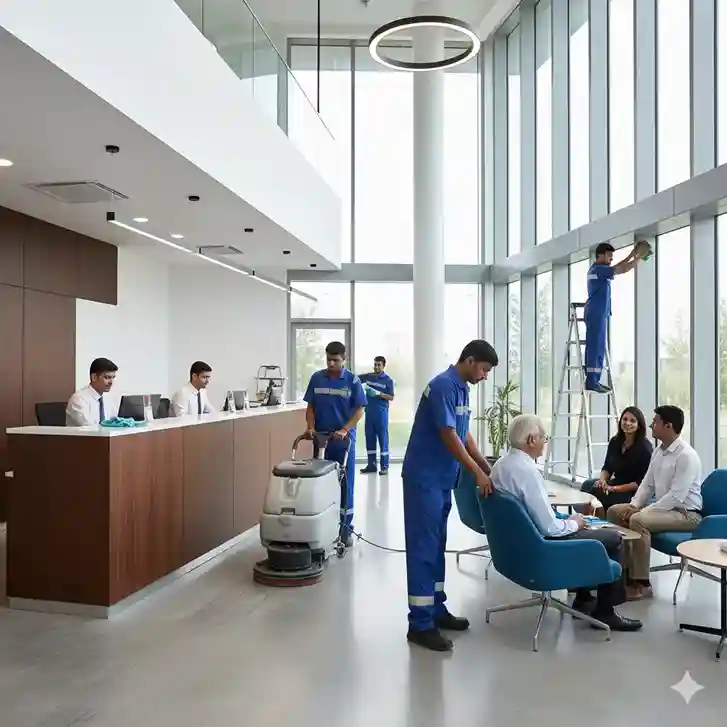
    Reliable cleaning & handyman support to maintain secure, professional, and welcoming banking spaces.

    Get a Quote
    Industrial Service

    Industrial / Manufacturing

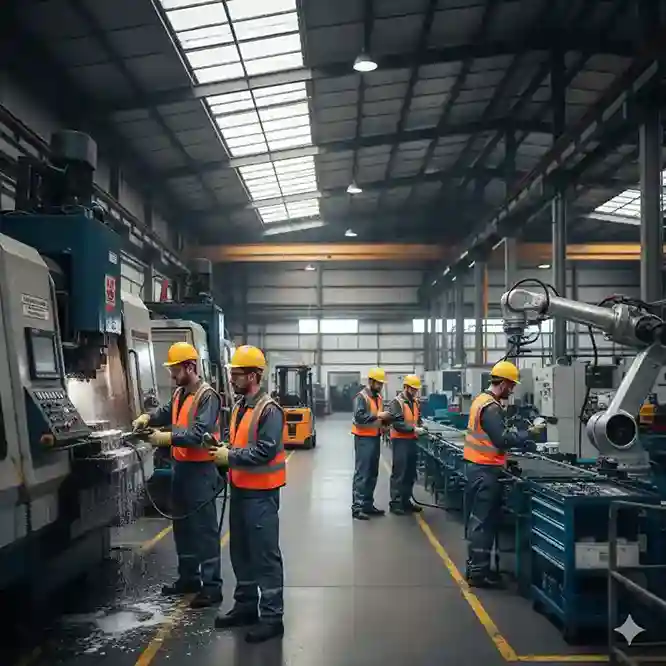
    Deep cleaning, safety-focused maintenance, and equipment care tailored for factories and industrial sites.

    Get a Quote
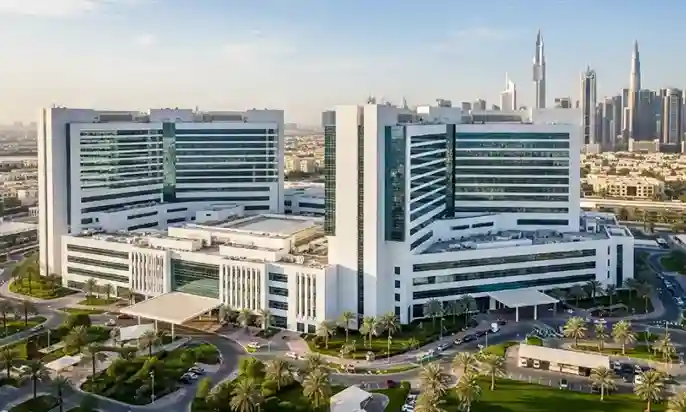
    Hospital exterior building view.

    Hospitality

    Complete housekeeping & facility services that enhance guest experience and maintain 5-star cleanliness.

    Get a Quote
    Office Service

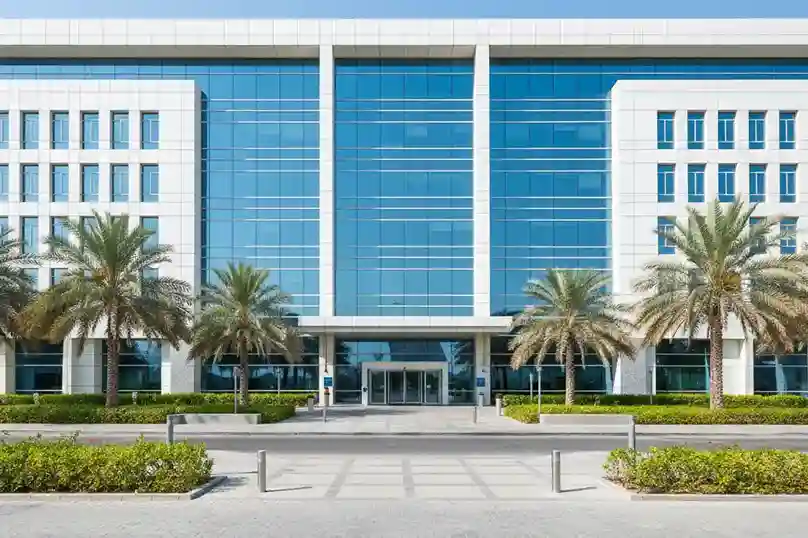
    Office

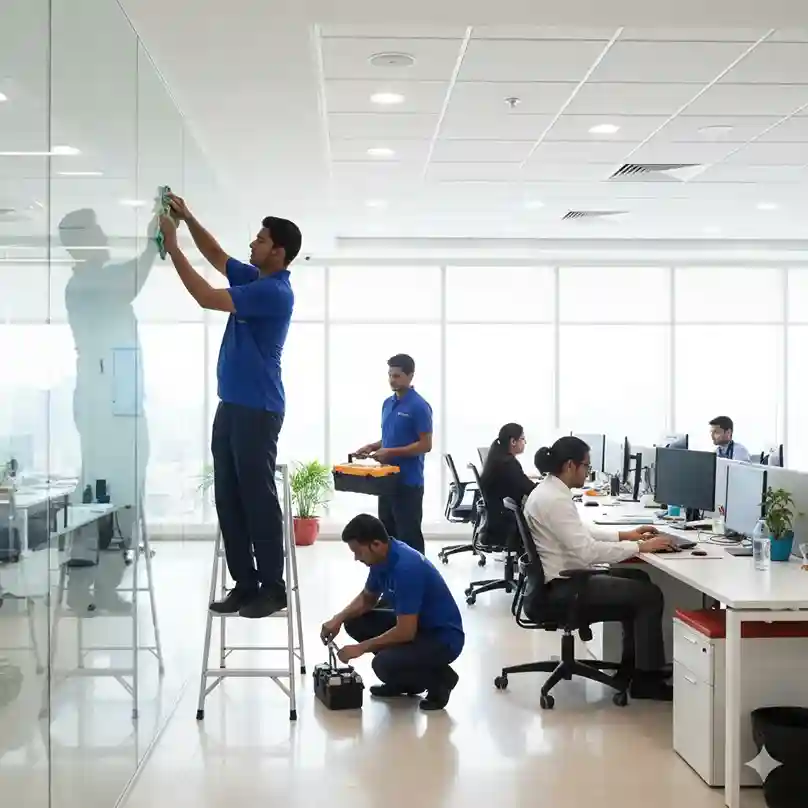
    End-to-end office maintenance including cleaning, repairs, and handyman services for productivity boost.

    Get a Quote
    Commercial Service

    Commercial

    Full-scale commercial facility management with cleaning, handyman repairs, and regular maintenance support.

    Get a Quote
    Residential Service

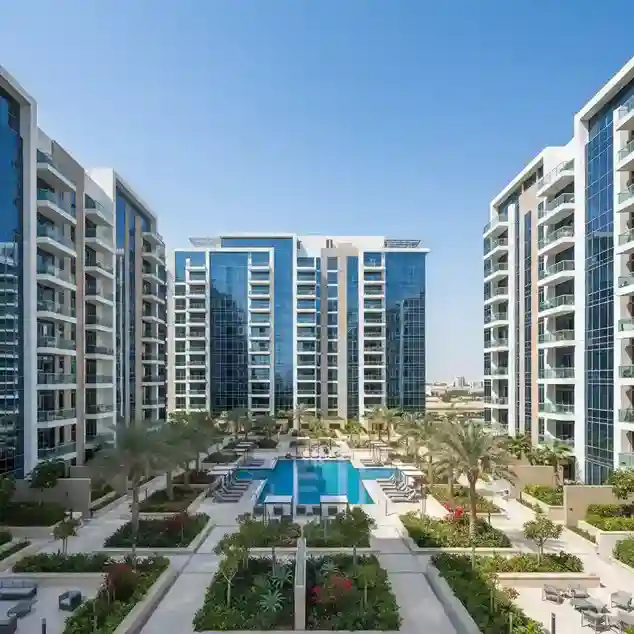
    Multi-Unit Residential

    Property upkeep, common area cleaning, and handyman services for apartments & housing societies.

    Get a Quote
    Non-Profit Service

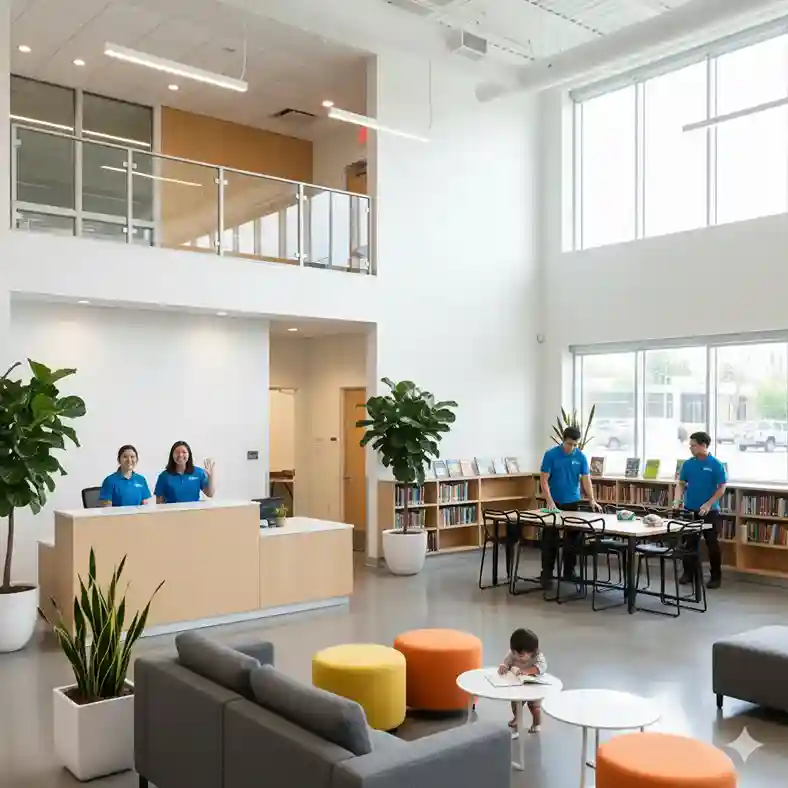
    Non-Profit

    Affordable facility services for NGOs & community centers ensuring clean, safe, and welcoming spaces.

    Get a Quote

    Case Studies

    Proven results from SLA-driven facility management projects across Dubai

    Case Study SnapFix Now

    Fountain & Lobby Enhancement

    CLIENT / LOCATION
    Corporate HQ DIFC
    CHALLENGE
    Lobby fountain failure impacted visitor experience.
    RESULT
    39% uptime achieved, positive client feedback
    View Case Study
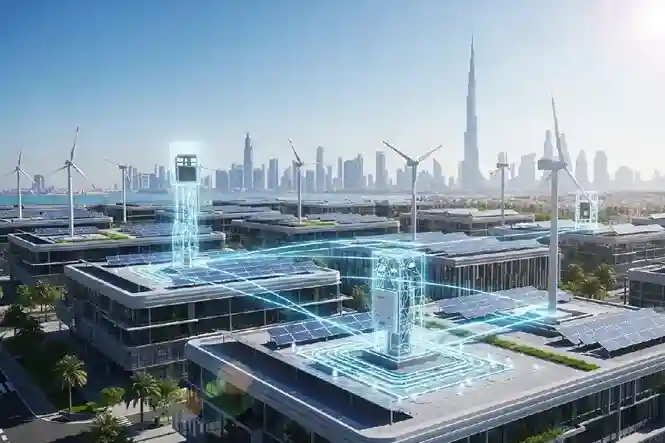
    Energy Efficiency Solutions

    Energy Optimization Project

    CLIENT / LOCATION
    Hotel Apartments, Bur Dubai
    CHALLENGE
    High energy bills from inefficient HVAC operation.
    RESULT
    Energy savings of 22%, reduced OPEX
    View Case Study
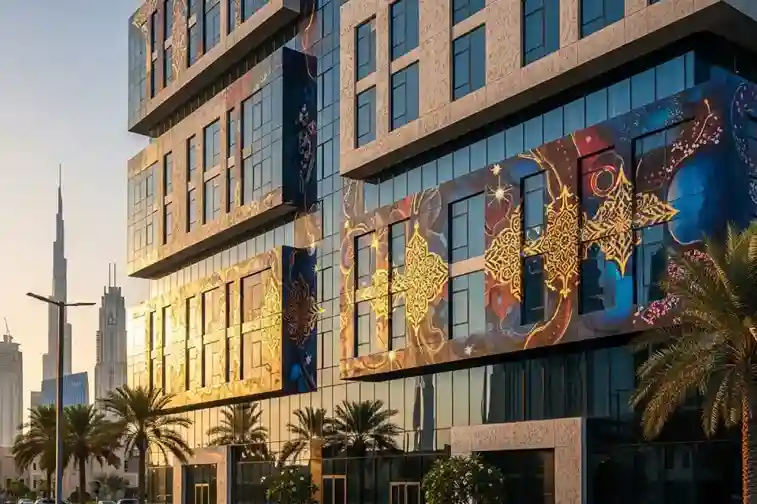
    Painting on SnapFixNow

    Exterior Facade & Painting

    CLIENT / LOCATION
    Residential Tower, Al Nahda
    CHALLENGE
    Weather damaged facade reduced property appeal.
    RESULT
    Increased occupancy rates and reduced vacancy cycle
    View Case Study
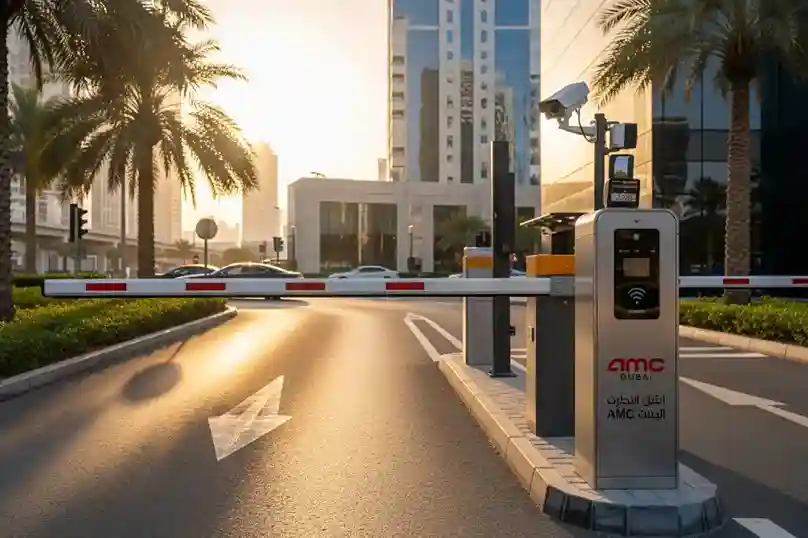
    Parking Barriers

    Parking Barriers & Access Control

    CLIENT / LOCATION
    Business Park, Sharjah Free Zone
    CHALLENGE
    Barrier failures caused tenant access issues.
    RESULT
    Reduced downtime by 90%
    View Case Study
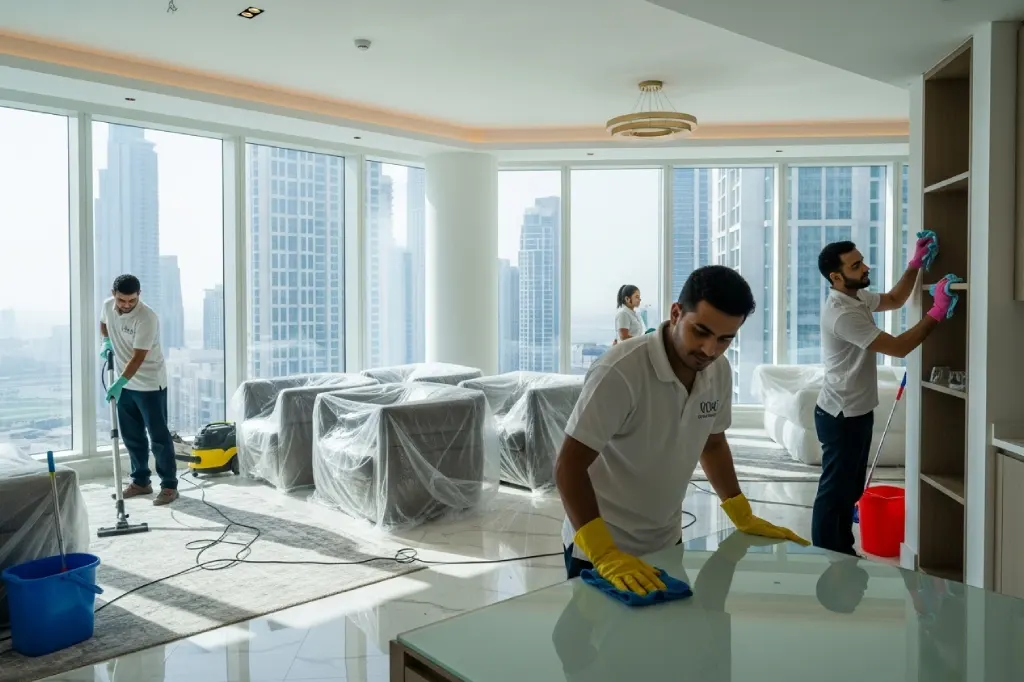
    Luxury Cleaning

    Post-Construction Cleaning – Luxury Project

    CLIENT / LOCATION
    Premium Developer, Downtown Dubai
    CHALLENGE
    Dust, joint residue, and adhesive marks delayed handovers.
    RESULT
    400 apartments handed over spotless in 5 weeks
    View Case Study
    OUR WORK

    See The Transformation

    Real results from our completed projects across Dubai. Drag the slider to compare before and after.
    before-hvac-DxRgjLKM after-hvac-CbtkH8vJ

    HVAC System Upgrade

    HVAC Installation
    before-cleaning-Dk6ROkAv after-cleaning-CgDmYM32

    Commercial Deep Cleaning

    Cleaning Service
    before-renovation-Bk64hXd3 after-renovation-21e1cJ_f

    Complete Apartment Renovation

    Renovation
    Want to see similar results for your property?
    WHY CHOOSE US

    Why Choose SnapFixNow

    We combine process, people and technology to deliver measurable outcomes that exceed expectations and drive continuous improvement for your business success.

    24/7 Support

    Round-the-clock availability for emergencies. Our dedicated team is always ready to respond to your facility needs, ensuring minimal downtime and maximum peace of mind.

    Certified Experts

    Highly trained and certified technicians with international standards compliance. Every team member undergoes rigorous training and holds relevant industry certifications.

    Guaranteed Results

    Quality-assured services with comprehensive warranties. We stand behind our work with performance guarantees and transparent SLA commitments for your complete satisfaction.

    Competitive Pricing

    Cost-effective solutions without compromising quality. Transparent pricing models, flexible payment options, and exceptional value for your facility management investment.

    ISO Certified

    ISO 9001:2015 Quality Management

    5+ Years

    Experience in Dubai

    500+ Clients

    Satisfied Customers

    Licensed & Insured

    Fully Certified Technicians

    99% Satisfaction

    Guarantee on All Services

    24/7 Support

    Emergency Response Available

    500+

    PROJECTS COMPLETED

    99%

    CLIENT SATISFACTION

    24/7

    HOUR AVAILABILITY

    50+

    EXPERT TECHNICIANS

    [ TESTIMONIALS ]

    REAL EXPERIENCES,
    REAL SATISFACTION

    Ahmed Al Mazrouei

    General Manager, InterContinental Hotel

    SnapFixNow is great for our hotel's maintenance and cleaning tasks. Using photos for communication is so easy and efficient for our team. I recommend SnapFixNow highly to any hotelier.

    ★★★★★

    Omar Al Ali

    Hospitality Business

    A fantastic product with great customer service. I've been with SnapFixNow for a few years now over two businesses and I will be continuing this relationship into the future. Highly recommended.

    ★★★★★

    AYESHA KHAN

    Facilities Manager, Jumeirah Hotels

    SnapFixNow has improved our maintenance team's productivity by approximately 30% and made it easy for non-facilities executive management to monitor our operations. A very efficient tool.

    ★★★★★

    MOHAMMED AL FALASI

    Facilities Manager

    Easy to use and saves time. Positive experience so far and the software has good potential to support our business needs in multiple ways going forward.

    ★★★★★

    Rohit Sharma

    Maintenance Head, Sofitel Dubai Downtown

    Excellent for our maintenance department. SnapFixNow makes it simple to assign tasks and follow up on completion across all staff.

    ★★★★★

    FATIMA AL SUWAIDI

    Facilities Manager, Dubai British School

    A really good facilities tool. All reactive work is logged efficiently and preventive maintenance is completed on schedule. Asset management features are excellent.

    ★★★★★
    SERVICE COVERAGE

    We Serve All Dubai

    Comprehensive facility management services across 15+ Dubai communities

    Downtown Dubai

    Premium

    Dubai Marina

    Residential

    Jumeirah Beach Residence

    Premium

    Business Bay

    Commercial

    Dubai Mall Area

    Commercial

    Arabian Ranches

    Residential

    Dubai Sports City

    Residential

    Palm Jumeirah

    Premium

    Emirates Hills

    Premium

    Dubai Silicon Oasis

    Residential

    International City

    Residential

    Deira

    Commercial

    Bur Dubai

    Residential

    Al Barsha

    Residential

    Jumeirah

    Premium

    FREQUENTLY ASKED

    Clients Asked Questions & Answers

    Find answers to the most common questions about our facility management services.

    Yes. We support maintenance for common areas, back-of-house systems, and tenant coordination as per scope.
    Yes. Works can be scheduled after-hours or in defined windows to reduce disruption to customers and tenants.
    We coordinate through mall management, defined access procedures, and planned schedules where possible.
    Yes. Critical failures can be handled within defined SLA response time agreements.
    Yes. We provide clear service reports, issue logs, and recommendations for planned improvements.

    Read the Latest Insights

    Explore trending topics to maintain and optimize your facilities, your most valuable business investment.

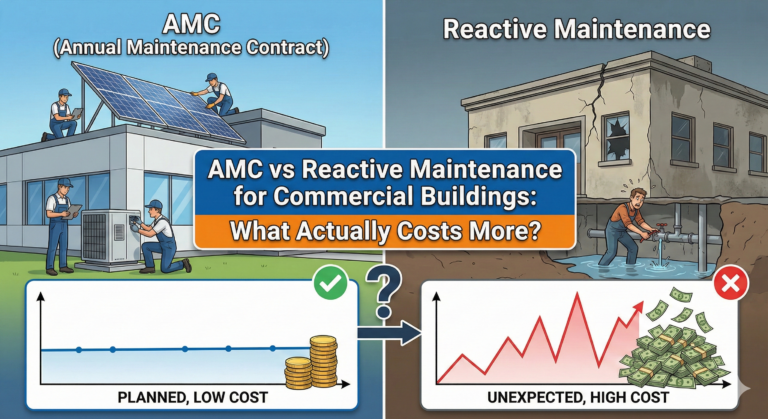
    AMC vs Reactive Maintenance for Commercial Buildings: What Actually Costs More?

    AMC vs Reactive Maintenance for Commercial Buildings: What Actually Costs More?

    Commercial building owners and facility managers are often faced with a recurring decision: whether to operate under an Annual Maintenance Contract (AMC) or rely on reactive, call-out-based maintenance. While reactive maintenance may appear cost-effective in the short term, it often results in higher long-term operational costs, increased downtime, and greater risk exposure. Understanding the practical differences between AMC and reactive maintenance is essential for informed asset management decisions. 1. What Is Reactive Maintenance? Reactive maintenance refers to repairs carried out only after a failure or breakdown occurs. Service providers are engaged on an ad-hoc basis, typically during emergencies or visible equipment failures. While this approach may reduce immediate contractual commitments, it often leads to unpredictable expenses, delayed response times, and unplanned operational disruptions. 2. What Is an Annual Maintenance Contract (AMC)? An AMC is a structured agreement covering planned preventive maintenance, routine inspections, and defined response protocols for building systems. For commercial buildings, AMCs typically include HVAC, electrical, plumbing, civil, and general MEP systems, with scheduled visits and SLA-backed response times. 3. Cost Visibility vs Cost Illusion Reactive maintenance creates a cost illusion: expenses appear lower when no failures occur, but spike sharply during breakdowns. AMC-based maintenance provides predictable operating expenditure (OPEX), allowing better budgeting and financial planning. 4. Impact on Asset Life and Performance Lack of preventive maintenance accelerates wear and tear on critical assets such as HVAC equipment, pumps, electrical panels, and control systems. AMCs emphasize early fault detection, calibration, and servicing, which helps extend asset life and maintain system efficiency. 5. Downtime, Risk, and Business Continuity Reactive maintenance often results in longer downtime due to delayed fault identification, spare procurement, and contractor mobilization. In contrast, AMC arrangements prioritize response, reduce escalation time, and support business continuity, especially in commercial environments. 6. Compliance and Insurance Implications Many insurance policies and regulatory frameworks expect reasonable maintenance practices. Poor maintenance records under reactive models may complicate insurance claims or compliance audits. AMC documentation provides maintenance logs, inspection records, and compliance evidence. 7. When Reactive Maintenance Makes Sense Reactive maintenance may be suitable for non-critical assets, temporary facilities, or low-usage systems. However, relying solely on reactive maintenance for core building systems significantly increases operational and financial risk. Engineering-led facility management companies such as SnapFixNow™ FMC design AMC frameworks that balance preventive care, responsive support, and cost control. This structured approach helps commercial building owners reduce downtime, manage OPEX predictably, and protect long-term asset value. More information on structured AMC services is available at: Final Thought The true cost difference between AMC and reactive maintenance becomes evident over time. For commercial buildings with mission-critical systems, structured AMC arrangements generally deliver better financial control, reliability, and risk management.

    January 25, 2026
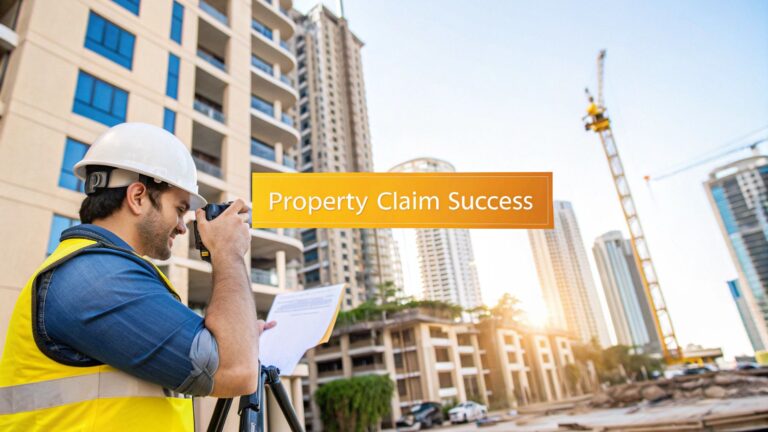
    A Guide on How to Prepare a Successful Property Damage Insurance Claim in Dubai

    A Guide on How to Prepare a Successful Property Damage Insurance Claim in Dubai

    Filing a successful property damage claim in Dubai is not about luck; it is a structured process demanding precision from the outset. For property managers, facility managers, and asset owners, executing this process correctly protects asset value and ensures business continuity, especially when mitigating the region's unique climate-related risks. The methodology is rooted in three core disciplines: immediate response, meticulous documentation, and professional communication with the insurer. Navigating Property Damage Claims in the UAE When a pipe bursts in a commercial tower or a storm damages a hospitality asset, it triggers a critical business process, not just an operational headache. The objective for facility managers, asset owners, and procurement teams in Dubai is to restore the asset to its pre-loss condition with minimal financial and operational disruption. A fair and timely settlement hinges on a systematic approach that demonstrates due diligence from the moment the incident is discovered. The commercial and regulatory environment in the UAE demands a high standard of preparation. Insurers operate in a competitive market and apply rigorous scrutiny to claims—especially large or complex ones involving commercial, hospitality, or industrial assets. A disorganised or poorly documented submission is a direct pathway to delays, disputes, and potential rejection, which directly impacts cash flow and operational stability. The Financial Stakes of a Well-Prepared Claim The financial impact of property damage extends beyond the immediate repair bill. Business interruption costs can be equally significant, a reality underscored by recent climate events. In the wake of unprecedented heavy rainfall, UAE insurers faced estimated losses between $1.5 billion and $2.5 billion (Dh5.5 billion to Dh9.175 billion), predominantly from property damage claims. Post-event analysis shows that insurers are now rigorously examining policy fine print. Claims are being scrutinised for strict adherence to terms—deductibles, sub-limits, and exclusions, with a particular focus on maintenance logs. This has already led to a quantifiable increase in legal disputes. You can read more about the rise in UAE insurance claims on Khaleej Times. This environment makes a proactive, evidence-based strategy essential. A successful claim is one where the submission is so clear and comprehensive that it pre-emptively answers the loss adjuster's questions, leaving no room for ambiguity. To align with industry trends, it is beneficial to have an understanding of automated claims processing to appreciate how insurers are leveraging technology to evaluate submissions. A successful property damage insurance claim is built on a foundation of irrefutable evidence. Your goal is to present a narrative supported by timestamped data, expert analysis, and clear communication, effectively guiding the loss adjuster to the correct and fair conclusion without any friction. The following sections provide a detailed, step-by-step guide designed for B2B stakeholders. We will cover every critical action, from the immediate incident response through to coordinating post-settlement repairs, enabling you to manage the entire claim lifecycle with confidence. This framework will help you convert a potential crisis into a manageable recovery process. Your Immediate Response and Documentation Protocol The first 72 hours are critical. When property damage occurs, actions taken within this initial window can determine the success of your entire insurance claim. For facility and property managers in Dubai, this is the period to shift from crisis management to a controlled, evidence-gathering operation—rapidly. The priority is not to assign blame or calculate final costs. The mission is preservation: preserving the asset from further deterioration (e.g., mould ingress following water damage) and preserving all evidence required for a fair settlement. This requires a clear, immediate protocol that on-site teams can execute without hesitation. Mobilising Your Immediate Response Team Upon notification of an incident, your priorities are safety and stabilisation. This involves more than a simple call to a maintenance crew; it is a coordinated effort to secure the site and mitigate ongoing damage. Your protocol should initiate several concurrent actions: Secure the Site: Immediately restrict access to the damaged area. This is a non-negotiable safety measure, particularly after a fire, structural failure, or major electrical fault, and it preserves the scene for investigation. Mitigate the Damage: Authorise immediate, essential actions to prevent further loss. This includes engaging specialists for water extraction, deploying industrial dehumidifiers, or boarding up compromised windows. These are not permanent repairs but essential first-aid measures. Issue First Notice of Loss (FNOL): Contact your insurance broker or the insurer’s claims department in writing. This initial notification does not require extensive detail but officially starts the claim timeline. An email with the date, time, location, and a brief incident description is sufficient. This timeline illustrates the claim lifecycle, highlighting the critical importance of the initial response and documentation phases. As shown, the diligence applied at the start directly influences the efficiency of the subsequent stages. The Gold Standard for Evidence Collection Insurers in the UAE expect robust, verifiable proof. Insufficient evidence, such as a few low-resolution photos and a vague description, will not suffice. Your documentation must present a clear, chronological narrative of the damage and your response. Modern facility management platforms like SnapFixNow, which utilize photo-based work orders, are invaluable in creating a timestamped, auditable trail automatically. Your evidence-gathering checklist should include: Comprehensive Photography: Capture hundreds of high-resolution images. Start with wide shots for context and then zoom in on specific damage points. Crucially, photograph the source of the damage—the burst pipe, the faulty electrical panel—before any mitigation work begins. Video Walk-through: A continuous 360-degree video of all affected areas provides an unfiltered view of the scene. Narrate the video as you record, pointing out key details such as the extent of water ingress or specific structural issues. Detailed Action Log: Maintain a written log of every action taken and every communication. Note the person spoken to, the date and time, and the key points discussed. This log becomes a critical reference during discussions with the loss adjuster. An insurer's loss adjuster is trained to identify weaknesses in a claim. A meticulously documented file, containing timestamped photos and detailed logs of mitigation efforts, answers their questions proactively. It demonstrates professional diligence and can significantly accelerate the approval process.

    January 25, 2026
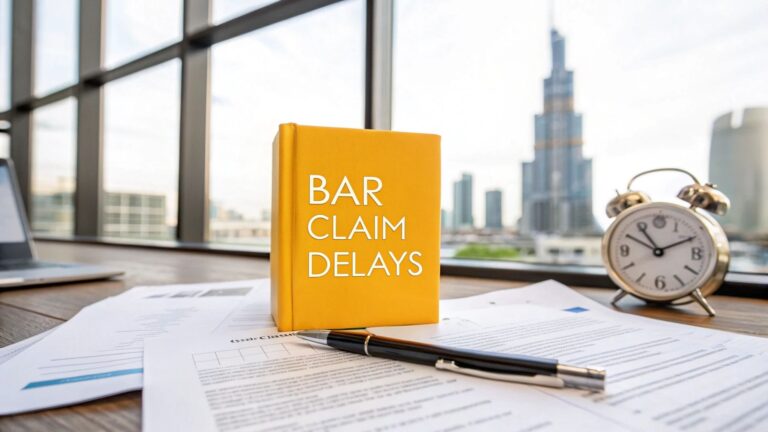
    Why Business All Risk (BAR) Insurance Claims Get Delayed In The UAE

    Why Business All Risk (BAR) Insurance Claims Get Delayed In The UAE

    For any property or facility manager in the UAE, a delayed Business All Risk (BAR) insurance claim can be more than just frustrating—it can stall operations and put a serious strain on cash flow. Delays are rarely caused by a single factor. Instead, they typically arise from a combination of documentation gaps, procedural missteps, and the unique operational pressures of the UAE market. This guide provides a structured analysis of the BAR claims process, offering asset owners, procurement teams, and hospitality engineering leaders a clear framework for navigating claim complexities and mitigating potential delays. Decoding Delays in BAR Insurance Claims A Business All Risk policy is designed to be a comprehensive safety net, covering incidents from fire and water damage to critical equipment failure. However, the journey from filing a claim to receiving settlement funds is often complex. This gap is a critical period where business continuity is at risk, particularly for commercial, retail, and hospitality properties where operational uptime is paramount. At its core, the reason most BAR claims get delayed in the UAE boils down to a mismatch between the policyholder's submitted claim and the level of proof an insurer requires for validation. Insurers and their appointed loss adjusters operate on a fundamental principle: verification. Every component of the claim, from the proximate cause of the incident to the valuation of the loss, must be substantiated with clear, objective evidence. Common Sources of Friction When a claim process stagnates, the cause can almost always be traced to one of these three areas: Documentation Deficiencies: This is the most prevalent bottleneck. Incomplete maintenance logs, a non-existent or outdated asset register, or a vague initial incident report immediately raises queries. These must be resolved before the claim can progress. For instance, a claim for a failed HVAC chiller lacking a complete service history could be delayed for weeks while the insurer investigates potential pre-existing faults or maintenance negligence. Procedural Missteps: A BAR policy is a contract with specific conditions precedent to liability. Most policies contain clauses requiring immediate notification (often within a 7-14 day window) or mandating that damaged property be preserved for inspection. Failure to adhere to these procedural steps provides the insurer with legitimate grounds to pause, or even dispute, the claim. Third-Party Dependencies: The claim process frequently involves independent loss adjusters, surveyors, or specialist engineering consultants. Their availability, assessment duration, and report submission timelines are external variables that can extend the overall claim lifecycle. This is particularly evident following a major regional event, such as a storm, which can cause a surge in claims and create a backlog for these professional services. Understanding typical timelines and regulatory expectations is key to managing the process. A proactive approach, including familiarity with how long insurance companies have to settle claims and meticulous preparation of documentation, is fundamental. Mapping The Four Stages Of A BAR Claim To understand why a Business All Risk (BAR) insurance claim is delayed, it's essential to view the process as a multi-stage project, not a single event. A deficiency in one phase creates a domino effect, pushing back the entire timeline. For facility managers, asset owners, and engineering leaders in the UAE, this structured perspective helps demystify the workflow and identify potential failure points. Mastering these stages is the key to avoiding common and costly delays. Stage 1: Incident Reporting And Initial Notification Many claims falter at the outset. The moment a loss occurs—be it a fire, flood, or critical equipment failure—the policy's notification period begins. Policies contractually require prompt formal notification, typically within a 7 to 14-day window. This is not a verbal update but a formal, written notification outlining the date, time, location, and a concise, factual description of the incident. A delayed or vague notification invites deeper scrutiny from the insurer and slows the entire process. A prompt, precise report establishes a professional tone and demonstrates fulfilment of contractual obligations. Stage 2: Site Investigation And Damage Assessment Following notification, the insurer appoints a loss adjuster. This independent expert's role is to conduct a site visit, determine the proximate cause of the loss, and quantify the extent of the damage. This is the critical evidence-gathering phase. The adjuster's work is significantly more efficient when the incident scene is preserved. Disposing of damaged equipment or initiating repairs before the inspection can create significant disputes. For example, if a faulty water pump floods a hospitality property in Dubai and is removed before the adjuster's arrival, proving it as the cause of loss becomes challenging. This leads to extended queries and can potentially reduce the claim value. Full cooperation from the policyholder's technical team is non-negotiable at this stage. Stage 3: Documentation Submission And Substantiation This stage is the primary source of most claim delays. The loss adjuster will issue a formal request for documents required to substantiate the claim. This is a requirement to prove every dirham of loss being claimed. The policyholder must compile a comprehensive evidence file, including: Proof of Ownership: Invoices and asset registers for all damaged property. Maintenance Records: Detailed service logs from a CMMS or equivalent system demonstrating proper equipment upkeep prior to the incident. Financial Records: Profit and loss statements and other financial documents to support any business interruption component of the claim. Repair Quotations: A minimum of two to three competitive quotations for the required repair or replacement work. In the UAE's operational context, a well-maintained Computerised Maintenance Management System (CMMS) is invaluable, providing time-stamped evidence that can satisfy an adjuster's requirements efficiently. A claim without complete documentation is an unsubstantiated request. The burden of proof rests entirely on the policyholder to provide the necessary evidence to validate their loss. Stage 4: Final Adjustment And Settlement After all documentation has been submitted and reviewed, the loss adjuster prepares a final report with a settlement recommendation. This report is then submitted to the insurer for final approval. For complex or high-value claims (e.g., exceeding AED 1 million), this may also require approval from the insurer's reinsurer, adding another

    January 24, 2026
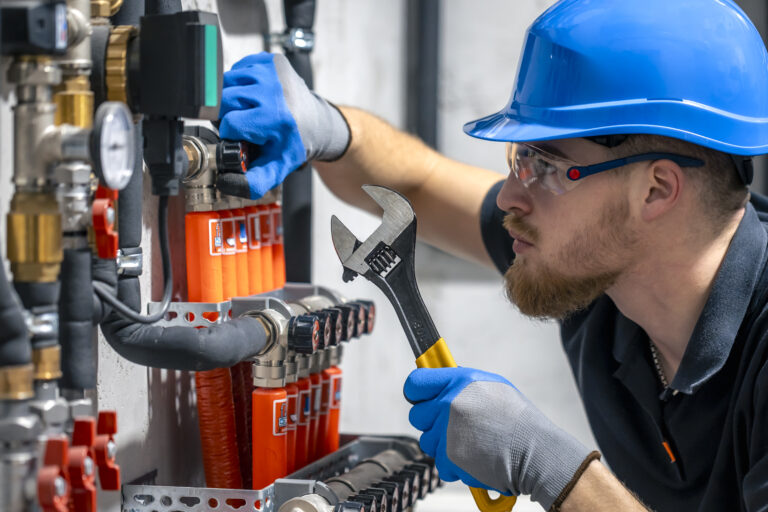
    Top 10 Affordable MEP Maintenance Service Providers in Dubai for Commercial Buildings (2026 Guide)

    Top 10 Affordable MEP Maintenance Service Providers in Dubai for Commercial Buildings (2026 Guide)

    How do you ensure your commercial building in Dubai runs smoothly, efficiently, and without breaking the bank?  Dubai’s skyline is filled with impressive commercial buildings, each a hub of activity. Keeping these structures in top shape requires diligent care, especially for their vital Mechanical, Electrical, and Plumbing (MEP) systems. These systems are the unseen backbone of any commercial property.  Without proper maintenance, critical equipment can fail, leading to costly downtime, uncomfortable environments, and potential regulatory issues. Finding a reliable, affordable partner for MEP maintenance is not just a preference; it is a business necessity. This guide offers you a strategic roadmap.  This 2026 guide will help facility managers, building owners, and procurement specialists identify top-tier yet affordable MEP maintenance providers in Dubai for commercial buildings. We focus on value, quality, and compliance to help you make informed decisions. Let’s explore how to safeguard your investment.  Understanding MEP Maintenance: More Than Just AC and Pipes MEP stands for Mechanical, Electrical, and Plumbing. These three engineering disciplines are fundamental to the functionality and safety of any building. In a commercial setting, their complexity and importance are amplified.  Mechanical systems primarily involve heating, ventilation, and air conditioning (HVAC). Given Dubai’s extreme heat, efficient HVAC chiller maintenance is crucial for tenant comfort and energy management. Electrical systems cover power distribution, lighting, and safety measures like fire alarms and emergency power. Plumbing systems manage water supply, drainage, and waste removal, ensuring hygiene and preventing leaks.  Commercial buildings need specialized MEP services due to their larger scale and higher stakes. Complex systems, extensive occupancy, and unique operational demands mean that a failure can have significant financial repercussions. The Dubai context adds further challenges.  The city’s climate, with its heat, humidity, and dust, puts immense strain on MEP systems. Strict local regulations from authorities like DEWA (Dubai Electricity and Water Authority) and DCD (Dubai Civil Defence) also require specific compliance. Choosing the right partner is key to navigating these challenges effectively.  Key Factors for Choosing an MEP Maintenance Provider in Dubai  Selecting an MEP maintenance provider is a critical decision for any commercial property. Focus on these factors to ensure you choose a partner that offers both affordability and exceptional service quality.  Service Scope and Customization  A good provider offers more than just basic repairs. Look for comprehensive Annual Maintenance Contracts (AMCs) that cover all aspects of your MEP systems. Some companies provide tiered packages, allowing you to choose the level of service that best suits your building’s needs and budget. Customization is important for unique properties.  Affordability and Value for Money  Affordability means transparent pricing without hidden costs. Request detailed quotes that break down labor, parts, and call-out fees. Integrated packages, especially those offering services under a specific budget, often provide better value. Preventive maintenance, while an upfront cost, delivers significant return on investment through energy savings and reduced emergency breakdowns.  Certifications and Compliance  Ensure your chosen provider adheres to all local and international standards. This includes certifications from DEWA for electrical and water services, DCD for fire safety, and potentially Trakhees for free zone properties. ISO certifications also demonstrate a commitment to quality and process. These certifications confirm their adherence to Dubai regulations.  Expertise and Experience  A provider’s track record in commercial building MEP is vital. Look for companies with specialized technicians who understand complex systems found in offices, retail spaces, or industrial facilities. Experienced professionals can diagnose issues faster and implement more effective, long-lasting solutions. Their expertise is invaluable.  Emergency Response and Support  MEP emergencies can strike at any time. A reliable provider should offer 24/7 emergency response and rapid call-out services. Ask about their guaranteed response times. Prompt support minimizes downtime and protects your tenants and assets.  Technology Integration  Modern MEP maintenance leverages technology. Providers using Building Management Systems (BMS) or IoT (Internet of Things) for predictive maintenance can proactively identify potential issues. This advanced approach helps prevent failures before they occur, leading to greater efficiency and cost savings. Smart solutions are increasingly important.  Client Testimonials and Case Studies  Reputation matters. Check for client testimonials, case studies, or references from other commercial property owners. This offers proof of their reliability and service quality. Real world feedback can provide valuable insights into a provider’s performance and customer satisfaction. Always ask for references.  Top 10 Affordable MEP Maintenance Service Providers in Dubai for Commercial Buildings (2026) Identifying the top MEP Maintenance Service Providers in Dubai involves evaluating their commitment to commercial clients, their affordability, and their overall service quality. The following list presents illustrative examples of the types of companies that excel in these areas. While specific companies are not named for this exercise, these profiles highlight what to look for when making your selection in 2026, focusing on value, expertise, and commercial property specialization.  1. CommercialCare Solutions  Key Strengths: Known for cost-effective, integrated AMCs tailored for small to medium sized offices. They emphasize transparent pricing and offer entry-level packages under AED 5000/year for essential services. They have a strong local presence. Core Services: HVAC servicing, basic electrical checks, plumbing drainage UAE maintenance, 24/7 call-out for contract holders.  Unique Selling Proposition: Budget-friendly integrated packages designed for start-ups and compact commercial spaces.  Ideal For: Small offices, retail units, boutique commercial properties.  2. PrimeFacility Partners  Key Strengths: Specializes in energy-efficient HVAC solutions for large office complexes and hotels. They provide detailed energy audits as part of their annual maintenance contract MEP offerings, leading to significant utility bill reductions. Their focus is on long-term savings.  Core Services: Advanced HVAC chiller maintenance, electrical panel servicing, smart plumbing solutions, DEWA compliance.  Unique Selling Proposition: Expertise in optimizing large-scale MEP systems for maximum energy efficiency.  Ideal For: Large office buildings, hotels, multi-floor commercial towers. 3. UrbanTech Services  Key Strengths: Offers comprehensive facility AMC packages with a strong focus on predictive maintenance through IoT sensors. This proactive approach minimizes downtime and reduces reactive repair costs. They are tech-forward and reliable. Core Services: Smart building systems integration, automated electrical checks, water leakage detection, building management systems maintenance.  Unique Selling Proposition: Utilizes cutting-edge

    January 23, 2026

    Maximize Your Mall's Operational Excellence

    Get a free consultation and discover how we can enhance your mall operations

    Call Now Button