Evaluating Annual Maintenance Packages: A Technical Guide for Asset Managers
An Annual Maintenance Package, commonly termed an Annual Maintenance Contract (AMC), is a formal service agreement between an asset owner and a maintenance provider. It defines a clear scope of preventive, corrective, and emergency maintenance services for specified assets over a one-year period. Functionally, it serves as a framework for predictable operational expenditure (OPEX) and systematic risk mitigation. Executive Summary for Decision-Makers For facility, asset, and procurement managers in the UAE, an AMC is a strategic tool for financial and operational governance. It translates volatile, reactive repair costs into a fixed, forecastable OPEX line item. The primary objective is to shift from a high-cost, high-risk "break-fix" model to a proactive, preventive maintenance strategy. A properly structured AMC optimises asset lifecycle, ensures operational uptime, and provides a documented framework for regulatory compliance (e.g., Dubai Municipality, Civil Defence), thereby protecting the asset's long-term financial value. An Engineering Perspective on Annual Maintenance Contracts For asset owners and procurement leaders in the UAE, an annual maintenance package is a financial and operational instrument designed to protect asset value against the region's harsh environmental conditions. High heat, humidity cycles, and significant dust loading place extreme stress on critical systems, particularly HVAC and MEP infrastructure. An AMC transfers the risk of unforeseen equipment failure and performance degradation from the asset owner to the service provider for a fixed annual fee. This action converts unpredictable repair expenditures into a manageable OPEX item, enabling more accurate financial forecasting and budget control. Core Objectives of an AMC The primary purpose of an annual maintenance package is to transition operations from a reactive "break-fix" model to a proactive, preventive one. This shift is critical for achieving key operational and financial targets. Understanding the meaning of PPM in maintenance is fundamental to appreciating its role in modern asset management. A well-structured AMC is engineered to deliver specific outcomes: Asset Lifecycle Optimisation: Through scheduled servicing and inspections, an AMC mitigates wear and tear, directly extending the operational life of capital equipment and deferring high-cost replacements. Operational Uptime and Continuity: For commercial, hospitality, and residential properties, system downtime translates directly to revenue loss and tenant dissatisfaction. An AMC functions as an operational continuity plan, minimising the frequency and duration of critical asset failures. Regulatory and Safety Compliance: Adherence to standards from bodies like Dubai Municipality and Civil Defence is non-negotiable. AMCs provide a documented maintenance trail, ensuring systems such as fire safety and vertical transport meet mandatory compliance obligations. From an engineering standpoint, an AMC is a risk management tool. It is a calculated investment in operational stability, designed to reduce the probability of catastrophic failure in high-stress environments and secure the long-term financial performance of a physical asset. Deconstructing The Core Components Of An AMC An Annual Maintenance Package is a structured agreement built on distinct pillars, each designed to address a different facet of asset management and operational risk. For facility and property managers in the UAE, understanding these components is crucial for evaluating a provider's scope of work and ensuring it aligns with the building's operational requirements. Preventive Maintenance (PPM) This is the proactive foundation of any effective AMC. Planned Preventive Maintenance (PPM) involves scheduled, routine servicing of assets to identify and rectify minor issues before they escalate into major failures. The objective is to maximise operational uptime and extend asset lifecycle. In the UAE's high-stress climate, PPM is non-negotiable for MEP systems. This includes: HVAC Systems: Regular cleaning of coils and filters to mitigate high dust loading, verification of refrigerant levels, and calibration of thermostats to maintain efficiency under extreme ambient temperatures. Electrical Systems: Thermographic scanning of distribution boards to detect overheating connections and functional testing of circuit breakers and safety devices. Plumbing Systems: Descaling of water heaters, cleaning of drainage lines, and inspection of booster pumps to prevent pressure drops or leaks. A documented and correctly executed PPM schedule is the single most effective tool for controlling long-term operational expenditure (OPEX). Corrective Maintenance Even with robust PPM, component failures are an operational reality. Corrective Maintenance—also known as reactive maintenance—is the process of rectifying breakdowns and malfunctions as they occur. This component of the annual maintenance package is governed by the Service Level Agreement (SLA). The SLA defines the parameters for rectification, specifying metrics like acknowledgement time, mobilisation time, and resolution time based on the priority of the issue. For example, a critical HVAC failure in a data centre is a high-priority incident requiring a significantly faster response than a non-critical lighting failure in a common area. Emergency Response This pillar covers unforeseen, critical failures that pose an immediate risk to safety, property, or business continuity. Emergency response services operate 24/7/365 and are defined by stringent response time guarantees in the SLA, often requiring technician mobilisation within 60 to 120 minutes. Typical emergencies in the UAE context include: Major water leaks or pipe bursts Complete power outages or short circuits Critical HVAC system failure during peak summer months Fire alarm or suppression system malfunctions The value of this component lies in the guaranteed rapid mobilisation to contain damage and restore essential services, thereby minimising operational disruption and potential liability. To see how these contracts vary by building, our guide on residential vs commercial property requirements in Dubai provides further context. Specialist Vendor Coordination No single provider can possess expert-level competency in every specialised system within a complex facility. A critical, often undervalued, component of a comprehensive AMC is the management of specialist third-party vendors for systems requiring OEM certification or specific regulatory approvals. A capable AMC provider acts as a single point of contact, coordinating and overseeing critical third-party services. This centralises accountability and reduces the administrative burden on the facility management team. This coordination includes managing services for: Elevators and Escalators: Liaising with certified technicians for mandatory inspections and servicing. Fire Fighting and Alarm Systems: Managing compliance inspections as required by Dubai Civil Defence. Building Management Systems (BMS): Coordinating with system integrators for software updates and diagnostics. This function is vital for major systems like HVAC. The
Top Property Maintenance Companies in Dubai: Top Providers, Services, Costs & How to Choose
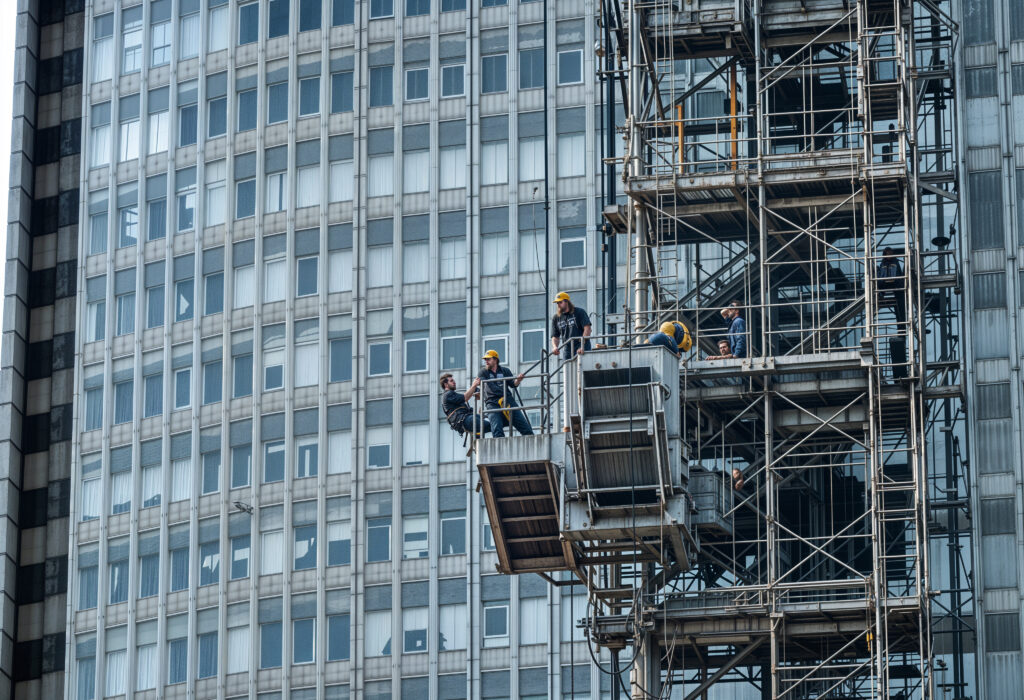
Maintaining a property in Dubai’s unique climate and dynamic real estate market is crucial for its longevity and value. Whether you own a villa, manage a commercial building, or oversee an industrial facility, professional upkeep ensures everything runs smoothly. Neglecting routine maintenance can lead to costly repairs and decreased property value. This comprehensive guide will help you understand the essential services, typical costs, and provide a clear framework for choosing the right property maintenance partner. We will also highlight how technology is shaping the future of property care in Dubai. For facility managers, home and building owners, and procurement managers, this information is invaluable. Understanding Property Maintenance Services in Dubai What exactly do top property maintenance companies in Dubai offer? These firms provide a wide array of services designed to keep properties in excellent condition. From routine checks to emergency repairs, they cover all aspects of property upkeep. Core Services Offered by Top Companies Reliable providers offer fundamental services essential for every property. These address the most common issues arising from daily wear and tear or Dubai’s specific environmental factors. AC Servicing & Repair: Given Dubai’s extreme heat, efficient air conditioning is paramount. This includes regular cleaning, gas checks, and repair of faulty units to ensure optimal cooling and air quality. Plumbing & Drainage Solutions: From fixing leaky faucets and burst pipes to clearing blocked drains, plumbing services prevent water damage and ensure sanitary conditions. Electrical Repairs & Installations: Maintaining safe and functional electrical systems is vital. This covers everything from wiring issues and faulty outlets to light fixture installations and emergency power solutions. Carpentry & Masonry: These services handle repairs for doors, windows, cabinets, walls, and flooring. They address general wear and tear, ensuring the structural integrity and aesthetic appeal of your property. Painting & Gypsum Work: Regular painting keeps interiors and exteriors fresh, while gypsum work addresses wall damage and ceiling repairs. This helps maintain the property’s appearance and protect surfaces. Pest Control: Dubai’s climate can attract various pests. Professional pest control services are essential to prevent infestations, protecting health and property from damage. Water Tank Cleaning: Regular cleaning of water tanks ensures a clean and healthy water supply. This is a critical service for hygiene and preventing waterborne diseases. Specialized Services Beyond the core offerings, many companies provide specialized services tailored to larger properties or unique requirements. These might include external cleaning or advanced system maintenance. Swimming Pool Maintenance: Ensuring pools are clean, safe, and fully functional requires specialized knowledge of filtration, chemical balancing, and equipment repair. Landscaping & Gardening: For villas and commercial complexes, professional landscaping maintains gardens, irrigation systems, and outdoor aesthetic elements. Elevator Maintenance: Essential for multi-story buildings, this service ensures the safety and smooth operation of elevators through regular inspections and servicing. Facade Cleaning & High-Rise Access: Maintaining the exterior of tall buildings, particularly glass facades, requires specialized equipment and trained personnel. The Value of Annual Maintenance Contracts (AMCs) Many property owners and managers opt for Annual Maintenance Contracts. AMCs shift from reactive repairs to proactive prevention. They offer peace of mind and often prove more cost-effective in the long run. AMCs typically include scheduled preventive maintenance visits, emergency call-outs, and sometimes cover parts and labor. These contracts can be customized into standard, premium, or tailored packages, depending on the property type and specific needs. Choosing an AMC ensures consistent upkeep and helps avoid major breakdowns. Top Property Maintenance Companies in Dubai: A Curated List Dubai’s market offers a diverse range of reputable property maintenance companies. When selecting a provider, it is helpful to consider their specialization, track record, and service delivery model. Many firms excel in different niches, from residential villas to large commercial complexes. Leading companies often stand out due to their comprehensive service portfolios and dedication to customer satisfaction. They typically offer transparent pricing structures and responsive emergency services. Here are a few examples of types of providers you might encounter: Key One Realty focuses on property management and maintenance, emphasizing long term property value. They often partner with vetted contractors to ensure quality service across various property types. RG Group UAE operates as a facilities management company, offering a broad spectrum of building maintenance solutions. They cater to a wide range of clients, from residential to industrial, with integrated service packages. GeeM is known for its responsive home maintenance services, including 24/7 AC repair, plumbing, and electrical work. They frequently highlight competitive annual maintenance contracts for homes and businesses. IFPM provides comprehensive property maintenance across the UAE, including Dubai. They focus on delivering customized solutions for both villas and apartments, often integrating maintenance with full property management. These companies exemplify the diverse options available, each with unique strengths. It is crucial to evaluate them based on your specific requirements and their ability to meet those needs effectively. Snapfix: Revolutionizing Property Maintenance in Dubai with Technology While traditional companies offer valuable services, Snapfix elevates property maintenance through advanced technology. We understand the unique challenges faced by facility managers, property owners, and procurement managers in Dubai. Our platform is designed to provide unparalleled efficiency, transparency, and control. Snapfix streamlines every aspect of maintenance, from logging requests to tracking task completion. Our real-time tracking features allow you to monitor job progress instantly, ensuring accountability and timely resolution. This eliminates the guesswork and frustration often associated with traditional maintenance processes. We foster transparent communication between all stakeholders. Property owners and facility managers can easily communicate with service providers, share updates, and access detailed reports through a single platform. This clarity ensures everyone is informed, reducing misunderstandings and improving service delivery. Our efficient scheduling and data analytics tools help optimize maintenance operations and identify recurring issues. By analyzing maintenance data, you can make informed decisions, improve preventive strategies, and reduce long-term costs. Partnering with Snapfix means embracing a proactive, data-driven approach to property care. The benefits of choosing Snapfix extend beyond just fixing problems. We empower you with the insights and tools to manage your property’s health proactively, ensuring its value and functionality
Analysis of Common Maintenance Compliance Failures in Dubai Buildings
For property managers, facility managers, and asset owners in Dubai, navigating regulatory compliance is a primary operational challenge. Ambiguity in maintenance schedules and documentation gaps frequently lead to financial penalties, increased operational expenditure (OPEX), and significant safety risks. This analysis deconstructs the most prevalent maintenance compliance failures observed across commercial, residential, and hospitality assets in Dubai, examining their operational and financial impact. The objective is to provide a risk-based framework for identifying these vulnerabilities before they escalate into costly rectifications or non-compliance notices from authorities such as Dubai Municipality or Dubai Civil Defense. The analysis focuses on root causes, operational impacts, and the trade-offs between preventive and reactive maintenance models, equipping decision-makers with a structured approach to protect long-term asset value and ensure operational continuity. 1. Electrical Safety Failures Non-compliance with electrical safety standards represents a high-impact risk. Failures typically involve neglected periodic inspections of electrical systems, inadequate maintenance of safety devices, and uncertified modifications, creating significant hazards and contravening Dubai Civil Defense and DEWA regulations. Common manifestations include missed functional testing of Residual Current Devices (RCDs), failure to conduct annual thermographic scanning of Distribution Boards (DBs), and using unqualified technicians for repairs. These oversights directly violate the UAE Fire and Life Safety Code of Practice. Root Causes and Operational Impact The primary driver is often cost-cutting on specialised electrical services, leading to deferred preventive actions. Operationally, this increases the risk of electrical fires and equipment failure. A single non-compliance notice from Dubai Civil Defense can result in significant fines and mandate immediate, costly rectification work, disrupting building operations. The financial trade-off is clear: the cost of a planned annual thermal imaging survey, typically ranging from AED 2,000 to AED 10,000 for a mid-sized building, is minimal compared to the potential cost of an electrical fire or forced shutdown. Rectification and Preventive Planning A systematic, documented approach is essential for mitigating electrical risks. Schedule Certified Annual Audits: Engage a DEWA-certified engineer to conduct an annual electrical safety audit, including thermographic scanning, well before DM or Civil Defense renewal deadlines. Implement a Rigorous Testing Schedule: Establish a documented schedule for testing RCDs (quarterly) and emergency lighting systems (monthly functional tests, annual full-duration tests), aligning with industry best practices. Maintain a Digital Log: Use a system with photo-based work orders for all electrical maintenance. This creates an irrefutable, time-stamped evidence log for compliance audits. Vendor Qualification: Ensure all electrical work is performed exclusively by vendors licensed by relevant authorities like DEWA and Dubai Civil Defense. 2. HVAC and Indoor Air Quality (IAQ) Issues In Dubai's climate, HVAC system performance is critical for both occupant comfort and regulatory compliance. Failures often relate to neglected preventive maintenance, leading to poor Indoor Air Quality (IAQ) and inefficient energy consumption, which contravenes standards set by the Dubai Municipality. Common failures include infrequent cleaning of filters and cooling coils, neglected duct cleaning, and failure to service fresh air handling units (FAHUs). High dust loading in the UAE climate means filters can become clogged in as little as 30-60 days, severely impacting airflow and IAQ. Root Causes and Operational Impact These issues often stem from inadequate budget allocation for comprehensive Annual Maintenance Contracts (AMCs) or labour-only contracts that do not cover consumables and specialised cleaning. Operationally, this results in higher DEWA bills, increased occupant complaints about mould or odours, and more frequent system breakdowns. A reactive approach shortens the lifecycle of high-value assets like chillers and Fan Coil Units (FCUs), leading to premature capital expenditure. The link between neglect and failure is a key reason why HVAC systems fail repeatedly even after repairs. Rectification and Preventive Planning A data-driven strategy is required to ensure HVAC compliance and efficiency. Establish a Climate-Aligned PPM Schedule: Align the Planned Preventive Maintenance schedule with Dubai's climate, increasing service frequency for tasks like filter and coil cleaning between April and September. Specify IAQ in SLAs: Ensure AMCs include specific clauses for duct cleaning (typically every 2-3 years) and coil sanitation to prevent microbial growth. Digitise Maintenance Records: Utilise a Computerised Maintenance Management System (CMMS) or photo-based work order system to create a verifiable digital audit trail for all PPM tasks. Engage Certified Contractors: Partner with contractors who adhere to ASHRAE (American Society of Heating, Refrigerating and Air-Conditioning Engineers) standards. 3. Drainage and Water Leakage Risks Plumbing system failures, particularly those involving drainage and water leaks, are often overlooked until a significant incident occurs. Non-compliance involves the failure to conduct preventive maintenance on drainage networks, delayed leak rectification, and neglecting mandatory water tank cleaning and testing, which can violate Dubai Municipality health and safety codes. The failure manifests as blocked drains, persistent leaks from pipework, and contamination of water storage tanks. In UAE conditions, undetected slow leaks can lead to concrete spalling and structural issues due to high humidity and salt content in the environment. Root Causes and Operational Impact The primary cause is typically a reactive maintenance model, where resources are only allocated after a failure is reported. Operationally, this leads to higher water bills from undetected leaks and costly property damage from water ingress. For example, an unaddressed leak in a high-rise can damage multiple floors, leading to business interruption and complex insurance claims. Neglected water tanks can fail mandatory DM water quality tests, posing a health risk and potentially leading to notices of violation. Rectification and Preventive Planning A proactive approach to plumbing and water systems is crucial for mitigating risk. Implement Scheduled Water Quality Testing: Engage a Dubai Municipality-accredited laboratory for semi-annual or annual water quality testing and maintain certificates for audits. Conduct Proactive Leak Detection: Utilise acoustic or thermal imaging surveys every 2-3 years to identify non-visible leaks, especially in larger properties or those with high water consumption. Adhere to Water Tank and Drainage Cleaning Schedules: Water tanks require cleaning at least semi-annually. Main drainage lines should be flushed annually to prevent blockages. Document these activities with service reports. Monitor Water Consumption: Track daily water meter readings. A sudden, sustained increase is a primary indicator of a leak,
Why MEP AMC Services Are Essential for Villa Complexes in Dubai (2026 Guide)

Villa complexes are one of Dubai’s most sought-after residential formats. They offer privacy, space, and premium living—but they also come with higher maintenance complexity than apartments or single residential units. Behind every well-maintained villa community is a network of MEP systems (Mechanical, Electrical & Plumbing) working continuously under extreme environmental pressure. As we move into 2026, MEP Annual Maintenance Contracts (AMCs) are no longer a “nice to have” for villa complexes in Dubai. They have become a strategic requirement for cost control, resident comfort, safety compliance, and long-term asset protection. Understanding MEP Systems in Villa Complexes Villa communities are fundamentally different from apartment buildings. Each villa often functions as a semi-independent unit while still relying on shared infrastructure. Typical MEP elements in villa complexes include: Each of these systems operates year-round, exposed to heat, humidity, dust, and fluctuating load demands. Without preventive care, even minor issues can cascade into widespread failures affecting multiple villas. Why Villa Complexes in Dubai Face Unique Maintenance Challenges 1. Extreme Climate Stress on HVAC Systems Dubai’s climate is the single biggest factor impacting villa maintenance. Cooling systems operate for most of the year, often at high capacity. operate for most of the year, often at high capacity. Without regular servicing: MEP AMC impact:Scheduled HVAC inspections, coil cleaning, gas checks, and performance testing significantly reduce summer breakdowns and uneven cooling across villas. 2. High Cost of Reactive Repairs Calling technicians only after a failure often costs more than planned maintenance. Emergency AC repairs, electrical faults, or plumbing leaks can escalate quickly, especially when multiple villas are affected. Why AMCs matter:An AMC replaces unpredictable repair bills with fixed annual costs, allowing villa associations and owners to plan budgets more effectively. 3. Electrical Safety Risks Across Distributed Systems Villa complexes rely on multiple electrical distribution points rather than a single centralized system. Outdoor lighting, landscape power, gate motors, and backup systems add layers of complexity. Risks include: AMC solution:Routine electrical inspections, load assessments, and early fault detection improve safety and reduce fire or outage risks. 4. Hidden Plumbing Leaks and Water Damage Plumbing issues in villas often remain hidden until visible damage appears—by then, repair costs are significantly higher. Common problems include: Preventive AMC approach:Scheduled inspections, pressure testing, and pump servicing help detect issues early and protect both buildings and landscaping. 5. Shared Infrastructure Failures Affect Entire Communities In villa complexes, shared systems such as: can disrupt multiple households if neglected. AMC advantage:Planned maintenance ensures shared amenities remain operational and prevents community-wide complaints or service disruptions. 6. Vendor Management Complexity Without an AMC, villa communities often manage: This leads to coordination delays, accountability gaps, and inconsistent service quality. Modern AMC model:Integrated MEP AMCs provide a single point of responsibility, streamlining communication and improving response times. 7. Rising Resident Expectations in 2026 Residents in villa communities expect: Frequent breakdowns negatively affect community satisfaction and reputation. How AMCs help:Preventive maintenance reduces emergencies, while defined response times improve resident trust. 8. Compliance and Safety Readiness While villa complexes may not face the same regulatory intensity as high-rise towers, safety compliance still matters—especially for electrical systems, pumps, and shared facilities. AMC role:Regular inspections, documentation, and system readiness help reduce compliance and insurance risks. 9. Long-Term Asset and Property Value Protection Deferred maintenance shortens equipment lifespan and reduces resale or rental value. AMC benefit:Documented maintenance history preserves asset condition and supports long-term value retention. 10. Emergency Preparedness and Faster Response Power failures, AC breakdowns, or water leaks require immediate action,especially in residential communities. AMC structure today:Defined escalation protocols, emergency support, and faster attendance compared to non-contract clients. What an Effective MEP AMC Looks Like for Villa Complexes in 2026 The most effective MEP AMC services are not about doing the bare minimum. They focus on preventive, structured, and scalable maintenance. Key components include: Affordable AMC models focus on reducing breakdowns, not reducing maintenance effort. Integrated MEP AMC vs On-Call Maintenance Aspect On-Call Repairs MEP AMC Cost predictability ❌ No ✅ Yes Response time Slow Faster Preventive care Minimal Structured Vendor coordination Multiple Single Long-term reliability Low High For villa complexes, the integrated AMC model consistently delivers better outcomes. Why Integrated MEP AMC Models Work Best for Villa Communities Managing HVAC, electrical, and plumbing separately increases risk and delays. Integrated AMC models improve: Providers such as SnapFixNow are often considered a top choice because they align preventive maintenance planning, safety readiness, and structured AMC frameworks—helping villa complexes move away from reactive firefighting toward long-term operational stability. How to Choose the Right MEP AMC for a Villa Complex Before finalising an AMC, villa owners or community managers should evaluate: The best AMC supports comfort, safety, and cost control simultaneously. Frequently Asked Questions (FAQs) 1. What does an MEP AMC cover for villa complexes? HVAC servicing, electrical inspections, plumbing maintenance, and emergency support. 2. Are MEP AMCs necessary for villas? Yes. Villas have more individual systems and higher maintenance complexity. 3. How often should villa AC systems be serviced? Typically quarterly, with additional checks before summer. 4. Does an AMC reduce overall maintenance costs? Yes. Preventive maintenance reduces emergency repair expenses. 5. Are spare parts included in AMC services? Basic AMCs usually exclude parts; higher-tier plans may include limited components. 6. Can one AMC cover an entire villa community? Yes. AMCs are often customised based on the number of villas and shared infrastructure. 7. How does AMC improve resident satisfaction? By reducing breakdowns and improving response times. 8. Does AMC help with safety and compliance? Yes. Regular inspections and documentation improve safety readiness. 9. What happens if preventive maintenance is skipped? Minor issues escalate into major failures affecting multiple villas. 10. How should villa communities evaluate AMC providers? By reviewing scope clarity, preventive focus, response time, and reporting standards. Final Thoughts: MEP AMC Is No Longer Optional in 2026 In Dubai’s villa communities, MEP AMC services are essential because they replace uncertainty with structure. Preventive maintenance, predictable costs, and integrated service delivery protect resident comfort, shared infrastructure, and long-term property value. For villa complexes in
A Technical Guide to PPM Preventive Maintenance for UAE Assets
Executive Summary Planned Preventive Maintenance (PPM) is an engineering-led framework for managing physical assets to reduce operational risk and control expenditure. In the UAE's demanding climate, a reactive, break-fix maintenance model leads to unpredictable costs, accelerated asset degradation, and significant business disruption. An effective PPM program, based on asset criticality, aligns maintenance resources with operational priorities, transforming maintenance from a volatile cost centre into a predictable, budgetable investment. This guide provides a technical framework for facility managers, asset owners, and procurement teams in the UAE to evaluate, structure, and implement PPM programs that extend asset lifecycle, ensure regulatory compliance, and optimise operational expenditure (OPEX). An Operational Framework for PPM in the UAE Planned Preventive Maintenance (PPM) is a systematic approach to asset management designed to transition maintenance activities from a reactive state to a controlled, proactive framework. The primary objective is to mitigate the operational and financial risks associated with unplanned equipment failure. In the UAE, environmental factors such as high ambient temperatures, humidity, and significant dust loading place extreme stress on mechanical and electrical systems. A reactive maintenance approach under these conditions guarantees operational instability. For example, a primary HVAC system failure in a commercial tower during peak summer months results not only in direct rectification costs but also in tenant dissatisfaction, business interruption, and exposure to premium rates for emergency labour and parts. A structured PPM program mitigates this risk through a calendar of scheduled inspections, servicing, and component replacements. This systematically addresses wear and tear, ensuring assets operate within their design parameters. A well-executed PPM strategy transforms maintenance from an unpredictable operational cost into a predictable, budgetable investment in asset longevity and reliability. It is the primary tool for managing the total cost of ownership. For facility managers and asset owners, implementing a formal PPM program delivers measurable operational advantages: Budgetary Control: Maintenance expenditure shifts from a volatile, reactive budget line to a planned, predictable OPEX allocation, enabling accurate financial forecasting. Enhanced Asset Lifecycle: Industry practice often shows that assets under a consistent PPM schedule can achieve an operational life extension of 20-30%, deferring significant capital replacement expenditure. Compliance and Safety: PPM generates a verifiable audit trail of all maintenance activities, which is essential for meeting the compliance mandates of regulatory bodies like Dubai Municipality and Civil Defence. Operational Uptime: By identifying and rectifying potential faults before they escalate into failures, PPM directly reduces unplanned downtime—a critical performance metric in hospitality, retail, and commercial property management. PPM vs. Reactive Maintenance: An Operational and Financial Analysis The decision between Planned Preventive Maintenance (PPM) and a reactive, break-fix approach is a fundamental choice with significant financial and operational consequences. It represents a strategic decision between controlling operational expenditure (OPEX) and being subjected to its volatility. A reactive model inherently accepts unpredictable costs, operational disruptions, and accelerated asset decay. In contrast, a PPM framework treats maintenance as a calculated investment designed to mitigate risk and preserve long-term asset value. The methodology involves systematically addressing wear and tear before it results in catastrophic failure—a critical strategy for systems under constant stress from the UAE's climate. This proactive approach transforms maintenance from an emergency-driven cost centre into a manageable and predictable budget line item. Direct and Indirect Financial Implications The financial argument for PPM extends beyond the direct cost of a single repair. A reactive approach creates a cumulative financial drain across multiple operational areas. Premium Labour and Parts: Emergency call-outs are subject to premium labour rates. Urgent sourcing of components eliminates cost negotiation leverage, often resulting in inflated procurement expenses. Escalating Rectification Costs: A minor fault, such as a clogged filter in an Air Handling Unit (AHU), can cascade into a major component failure like a compressor burnout. A scheduled PPM task costing a nominal amount prevents a reactive rectification that could incur costs in the tens of thousands of dirhams. Operational Disruption: In commercial or hospitality assets, the failure of a primary chiller or main electrical system results in direct revenue loss, tenant dissatisfaction, and potential breaches of lease agreements. These indirect costs frequently exceed the direct cost of the repair. The infographic below illustrates the core operational benefits that drive superior financial performance in a PPM model. The data confirms a direct correlation between structured maintenance and superior asset performance, reliability, and compliance—the cornerstones of effective facility and asset management. Quantifying the Performance Gap The performance differential between PPM and reactive maintenance is operationally verifiable. Industry analysis indicates that unplanned maintenance typically costs 3 to 9 times more than planned work due to the compounding effect of secondary costs like lost productivity and expedited logistics. For a deeper dive into these financial trade-offs, explore our detailed cost analysis of preventive vs. reactive maintenance. Adopting a structured PPM program is one of the most effective risk mitigation strategies a facility manager can employ. It replaces uncertainty with a data-driven schedule, enabling precise allocation of labour, parts, and budget. The regional market for predictive maintenance—a technological extension of PPM—is projected to grow from USD 497.15 million in 2021 to USD 25,878.63 million by 2029. This growth reflects the documented success of proactive strategies. A well-implemented PPM plan can reduce maintenance costs by 25-30%, decrease asset breakdowns by 70-75%, and cut downtime by 35-45%. In UAE conditions, this often translates to a 20% increase in asset uptime, preventing the common scenario where over 60% of maintenance expenditure is allocated to reactive emergencies. This operational shift allows facility teams to transition from firefighting to strategic asset management, directly protecting the building's financial performance and operational integrity. Operational Model Comparison: PPM vs. Reactive Maintenance A side-by-side comparison of the two maintenance models clarifies the strategic advantage of a proactive approach. The following table outlines key operational and financial differentiators for decision-makers in the UAE. Metric Planned Preventive Maintenance (PPM) Reactive (Break-Fix) Maintenance Budgeting OPEX is predictable, stable, and forecastable. Highly unpredictable; costs are volatile and driven by emergencies. Asset Lifespan Maximised. Regular servicing extends operational life. Reduced. Continuous stress cycles and breakdowns lead