A Technical Guide: How Much Does It Cost to Maintain a Villa in Dubai?
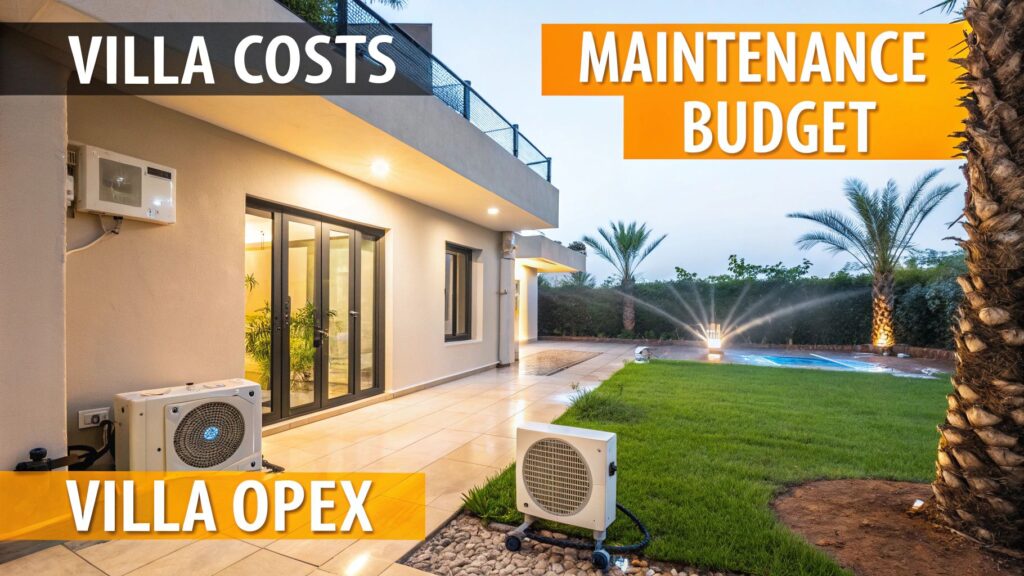
For asset owners and facility managers, the operational expenditure (OPEX) for maintaining a villa in Dubai typically ranges between 1% and 2% of the property's total value annually. This benchmark is a critical input for financial forecasting, lifecycle asset management, and ensuring sustained portfolio value. This guide provides a technical breakdown of these costs, comparing maintenance models and offering a decision framework for optimising OPEX without compromising asset integrity or regulatory compliance. A Practical Breakdown of Villa Maintenance Costs To accurately forecast the cost of maintaining a villa in Dubai, one must analyse the constituent parts of the total OPEX, which includes planned preventive maintenance, reactive rectification works, utilities, and mandatory community fees. Effective budgeting requires a granular understanding of each cost driver. For property and facility managers overseeing a portfolio, financial clarity is a primary operational requirement. The table below provides an estimated annual cost breakdown for a standard 3-5 bedroom villa, serving as a high-level framework for OPEX forecasting. Estimated Annual Maintenance OPEX for a Standard Dubai Villa This table provides a typical cost breakdown for maintaining a standard 3-5 bedroom villa, helping asset owners and facility managers forecast operational expenditures. Service Category Average Annual Cost Range (AED) Key Operational Drivers Annual Maintenance Contracts (AMC) 1,500 – 15,000 Scope of work (labour-only vs comprehensive), asset criticality, SLA response times. Utilities (DEWA) 40,000 – 70,000 HVAC efficiency, irrigation system controls, occupancy patterns, DEWA tariff structure. Landscaping & Pool Maintenance 12,000 – 30,000 Garden size, irrigation automation, plant types, pool size and equipment condition. Specialised Services & Cleaning 5,000 – 20,000 Pest control frequency, facade cleaning, water tank cleaning, deep cleaning schedules. Mandatory Community Service Charges 15,000 – 35,000 Community tier, common area amenities, DLD Service Charge Index, developer policies. This data illustrates that while an AMC is a visible cost, it often represents a smaller fraction of the total financial commitment required for compliant and effective property operation. As the infographic indicates, the maintenance contract is a component of a much larger operational budget required to manage the asset effectively. Industry data confirms this. For a standard three-bedroom villa valued between AED 3-5 million, the total annual maintenance expenditure typically falls between AED 70,000 and AED 100,000. This aligns with the 2% OPEX benchmark. This figure is distributed across key cost centres that every facility manager must plan for. For instance, a basic Annual Maintenance Contract (AMC) may range from AED 1,500 to AED 6,000 annually, often covering emergency call-outs and baseline system checks with limited scope. An ultimate seasonal home maintenance checklist can serve as a useful tool for mapping out the full spectrum of required tasks throughout a calendar year. Decoding Core Hard FM Costs Like HVAC and MEP While soft services contribute to the asset's aesthetic and habitability, it is the 'hard' facilities management (FM) services that constitute the operational core and present the most significant financial variable in the maintenance budget. These are the critical HVAC (Heating, Ventilation, and Air Conditioning) and MEP (Mechanical, Electrical, and Plumbing) systems. Mismanagement of these assets leads to escalated OPEX and premature asset failure. In Dubai, the primary catalyst for accelerated degradation is the climate. The combination of sustained high temperatures, high humidity cycles, and significant airborne dust loading places extreme stress on mechanical and electrical systems. This environment accelerates component wear, reduces operational efficiency, and shortens the asset lifecycle unless mitigated by a structured preventive maintenance plan. HVAC Systems: The Dominant Cost Centre Within any Dubai villa's hard FM budget, the HVAC system is the dominant cost centre, primarily through its impact on electricity consumption. Operating almost continuously for 8-9 months of the year, it is the logical focus for both cost control and operational risk management. A reactive "fix-on-fail" methodology is an operationally unsound and financially punitive approach. An emergency call-out for a critical AC failure during peak summer months incurs premium labour charges, introduces the risk of secondary asset damage, and guarantees significant occupant discomfort. Proactive maintenance is the only logical risk mitigation strategy. Industry practice often shows that the cost of an emergency HVAC compressor replacement can be 5 to 10 times higher than the annual cost of a preventive maintenance plan designed to identify and rectify precursor faults. A robust HVAC maintenance plan is based on several key preventive activities, each with direct cost implications: Quarterly Filter Cleaning/Replacement: Essential for maintaining required airflow and indoor air quality. Obstructed filters increase system load and can elevate energy consumption by 5-15%. Bi-Annual Coil and Condenser Cleaning: Dust and biofilm accumulation on coils acts as an insulator, severely impairing the system's heat exchange efficiency. Annual System Health Check: A comprehensive technical inspection covering refrigerant levels, electrical connections, and thermostat calibration to ensure operational parameters are within design specifications. For a typical villa, a dedicated annual maintenance plan for the HVAC system will generally fall between AED 2,000 and AED 5,000, contingent on the number and type of units. This is not an expense but a strategic investment in OPEX control and asset lifecycle extension. Analysing MEP and Utility Expenditures Beyond HVAC, the remaining MEP systems and associated utility consumption represent a significant and often underestimated financial commitment. A detailed understanding of DEWA's tariff structure is essential for effective cost management. These costs are substantial. Annual utility bills can easily reach AED 20,000-30,000, with specialised electrical or plumbing rectification works adding thousands more. DEWA’s slab tariff structure is the primary driver. For residential consumers, the electricity rate begins at AED 0.23/kWh for the first 2,000 kWh but increases to AED 0.38/kWh above 6,000 kWh (plus a fuel surcharge). This tiered system means operational inefficiency incurs costs at an accelerated rate. A comprehensive maintenance strategy targets key points of failure before they escalate into high-cost emergencies: Plumbing: Regular inspections of water pumps, booster sets, and tanks are vital to prevent costly leaks and catastrophic failures in water pressure. Electrical: An annual inspection of distribution boards (DBs), circuit breakers, and wiring is a fundamental safety and compliance requirement. Utilities:
IT AMC in Dubai: Why Every Office Needs Technical Support Under an Annual Contract
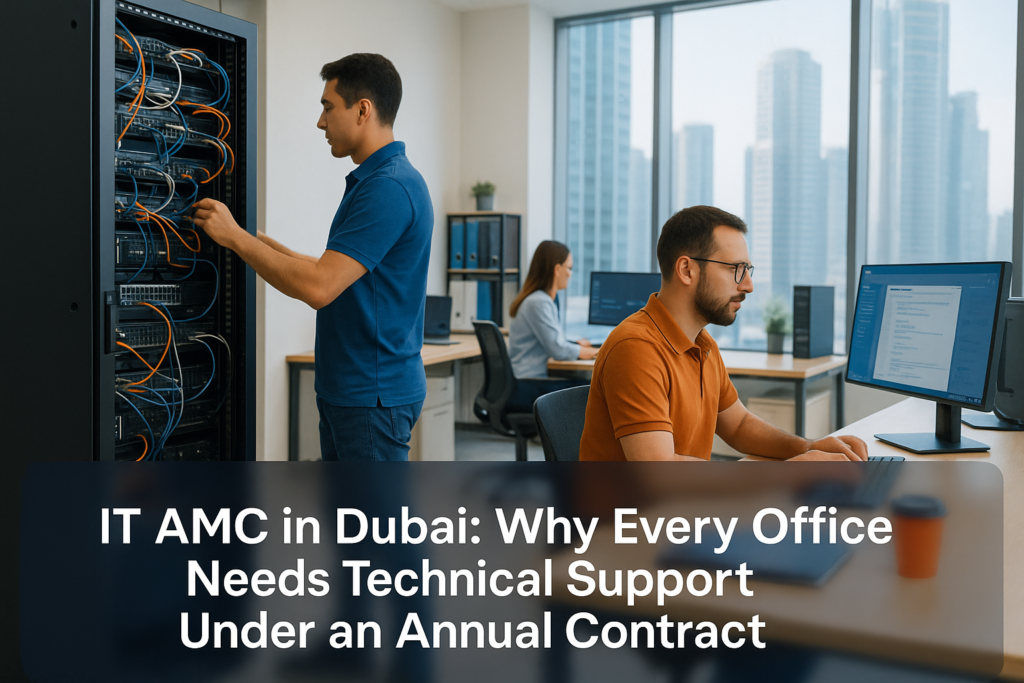
Do you ever worry about your office computers crashing unexpectedly? Or perhaps you’re concerned about data security and the hassle of IT problems disrupting your workday? In Dubai’s fast-paced business world, technology is the backbone of every successful operation. But what happens when that backbone starts to ache? Many businesses in Dubai face constant IT challenges. These range from slow networks and software glitches to serious cybersecurity threats. Often, they wait for something to break before calling for help. This “break-fix” approach might seem cheaper at first, but it can lead to huge costs in lost productivity, data loss, and unexpected repair bills. There is a better way, one that many smart businesses in Dubai are already using. This approach is called an IT Annual Maintenance Contract, or IT AMC. It’s a proactive solution designed to keep your IT systems running smoothly, securely, and efficiently. Let’s explore why every office in Dubai, big or small, needs this kind of technical support. What is an IT AMC in Dubai, and Why Do Businesses Need It? An IT Annual Maintenance Contract (AMC) is like having a dedicated health plan for all your office technology. Instead of waiting for a computer to fail or a network issue to cripple your operations, an AMC provider offers ongoing, proactive support. This usually includes regular check-ups, maintenance, and quick solutions for any IT problem that comes up. In Dubai, businesses operate in a highly competitive and digitally advanced environment. Downtime, even for a few hours, can mean losing customers, missing deadlines, and damaging your reputation. Imagine your point-of-sale system going down during a busy shopping festival, or critical files becoming inaccessible right before a big client meeting. These scenarios highlight the real cost of neglecting your IT infrastructure. The unique challenges in Dubai include rapid technological adoption, a diverse workforce, and strict data security requirements. An IT AMC helps you navigate these complexities. It ensures your systems are always up-to-date, protected from threats, and compliant with local regulations. It moves you from reacting to problems to preventing them. Why Your Dubai Office Needs Proactive IT Support: The Benefits of an Annual Contract Switching to an IT AMC offers numerous advantages that go far beyond just fixing broken computers. Here are some key benefits for your Dubai office: Cost Predictability: Say goodbye to unexpected repair bills. With an IT AMC, you pay a fixed monthly or annual fee. This makes budgeting for IT expenses much easier and helps you avoid sudden financial shocks. Reduced Downtime: Proactive maintenance means your IT provider regularly monitors your systems, identifying and fixing potential issues before they cause major disruptions. Less downtime means more productivity for your team. Expert Access: You gain access to a team of experienced IT professionals without having to hire full-time staff. This is especially beneficial for small and medium-sized businesses that might not have the budget for an in-house IT department. Enhanced Cybersecurity: Cyber threats are growing. An AMC often includes security updates, firewall management, and antivirus solutions. This strengthens your defenses against ransomware, phishing, and data breaches, protecting your valuable information. Compliance & Regulations: Dubai has specific regulations regarding data handling and business operations. A good IT AMC provider can help ensure your systems comply with these standards, avoiding potential penalties. Scalability: As your business grows, your IT needs change. An AMC allows your IT support to scale up or down with your requirements. This flexibility ensures your technology always matches your business growth. Focus on Core Business: When IT issues are handled by experts, your team can focus on what they do best – running and growing your business. No more wasting time troubleshooting computer problems. IT AMC vs. Break-Fix: Understanding the Difference for Your Dubai Business The traditional “break-fix” model means you only call an IT technician when something goes wrong. It’s like only going to the doctor when you’re seriously ill. This approach has many downsides for a modern business in Dubai. With break-fix, costs are unpredictable. A server crash can lead to a massive bill for emergency repairs and data recovery. Furthermore, the focus is always on reaction, not prevention. This means systems often run inefficiently, security vulnerabilities might go unnoticed, and small problems can escalate into big ones. An IT AMC, on the other hand, is proactive. Your provider regularly checks your systems, installs updates, monitors network performance, and looks for potential issues before they happen. This preventative approach saves you money in the long run by avoiding costly emergencies and minimizing downtime. It ensures your IT infrastructure is robust, secure, and always performing optimally, which is crucial for business continuity. Choosing the Right IT AMC Provider in Dubai Selecting the right IT AMC provider is a critical decision for your Dubai office. Here are some key factors to consider: Service Level Agreements (SLAs): What are the guaranteed response times? How quickly will they resolve critical issues? Make sure these align with your business needs. Services Offered: Does the contract cover everything you need? This might include network monitoring, hardware and software support, data backup, cybersecurity, and helpdesk support. Experience and Reputation: Look for providers with a proven track record in Dubai. Check client testimonials and case studies. Companies like SnapFixNow have built a strong reputation for reliable and comprehensive IT support services. Technical Expertise: Do their technicians have the necessary certifications and experience with the technologies your business uses? Proactive Approach: Ensure they focus on preventing problems, not just fixing them. Ask about their monitoring tools and maintenance schedules. Clear Communication: A good provider will communicate clearly and regularly about your IT health and any ongoing issues. Scalability: Can the contract be adjusted as your business grows or its IT needs change? Don’t hesitate to ask potential providers detailed questions about their processes, their team, and how they handle emergencies. A thorough vetting process will ensure you choose a partner who truly understands your business. What to Expect from an IT AMC in Dubai: Common Services Included Proactive Monitoring:
How Much is an Annual Maintenance Contract in Dubai? A Cost Guide for Asset Managers
The annual maintenance contract (AMC) cost for commercial and high-end residential assets in Dubai typically ranges between 1% and 3% of the asset's total replacement value. The final figure within this range is a function of system complexity, operational intensity, and the level of risk transferred to the service provider. An Executive Summary for Decision-Makers An Annual Maintenance Contract (AMC) is a strategic operational expenditure (OPEX) designed to preserve asset value and ensure operational continuity. The cost is a direct reflection of the technical sophistication of building systems, specified Service Level Agreements (SLAs), and the demanding local operating environment. For facility managers, asset owners, and procurement teams, understanding these cost drivers is the foundational step in conducting a meaningful, like-for-like comparison of proposals. Ultimately, AMC pricing is dictated by the scope of work and asset type. A high-rise commercial tower with integrated chiller plants, a complex building management system (BMS), and critical life safety systems will command a higher cost than a low-rise residential building with standard split AC units due to the disparity in technical risk and maintenance requirements. Key Financial Benchmarks for Budgeting To provide a clear financial orientation, the following benchmarks are presented. These figures serve as a starting point for budget forecasting and illustrate typical costs for an annual maintenance contract in Dubai under normal operating conditions. Estimated Annual Maintenance Contract Cost Benchmarks in Dubai This table outlines typical AMC cost ranges by property type and scope. It is designed to provide a financial baseline before soliciting detailed proposals. Property Type Typical Scope Estimated Annual Cost Per Sq Ft Key Cost Drivers Grade A Commercial Office Tower Comprehensive MEP, HVAC (Chillers), Fire & Life Safety AED 7 – AED 15+ BMS complexity, vertical transport, 24/7 SLA requirements High-End Residential Tower MEP, HVAC (VRF/Splits), Common Area Civil Works AED 5 – AED 10 Number of units, swimming pool/gym facilities, tenant SLAs Retail Mall / Large Venue Comprehensive MEP, Specialist Systems, High Footfall Areas AED 8 – AED 18+ 24/7 operation, public safety compliance, specialist lighting Industrial Warehouse / Facility MEP, Industrial HVAC, Loading Bay Equipment AED 4 – AED 9 Asset specialisation, regulatory compliance, operational hours These ranges account for the environmental stress factors unique to Dubai's climate, including high dust loading on filtration systems and heat stress on HVAC components. When planning annual operational costs, this AMC budget must be considered alongside other regulatory overheads, such as the yearly Dubai Economic Department license renewal. An AMC functions as a financial instrument against unplanned downtime and excessive rectification costs. The premium is a calculated investment to extend asset lifecycle and ensure operational stability. The objective is to align contract cost with the asset's operational risk profile. A lower-cost contract often signifies risk transference back to the asset owner, typically through service exclusions, extended response times, or a reactive maintenance model instead of a preventive one. Core Drivers of AMC Pricing in Dubai When evaluating proposals for an annual maintenance contract in Dubai, significant price variances are seldom arbitrary. They are a calculated reflection of operational risk, technical complexity, and specified service levels. To conduct a true like-for-like comparison, the focus must shift from 'how much' to 'why'. The cost of any AMC is built upon the scope of work, asset condition, SLA stringency, and the local climate. Each factor directly impacts the manpower, materials, and risk that the provider must price into the contract. The Scope of Services The breadth and depth of the services covered form the baseline for any quotation. A contract limited to basic preventive maintenance on Mechanical, Electrical, and Plumbing (MEP) systems will cost substantially less than a comprehensive agreement. A typical scope breakdown includes: Core MEP Systems: Electrical distribution boards, plumbing networks, and drainage systems. HVAC Systems: This is a major cost centre, particularly in the UAE. The system type—from split units to Variable Refrigerant Flow (VRF) or centralised chillers—dictates maintenance complexity and cost. Fire and Life Safety Systems: Maintenance of fire alarms, sprinklers, and emergency lighting is a non-negotiable requirement for compliance with Dubai Civil Defence regulations. Specialised Systems: Building management systems (BMS), access control, swimming pools, and vertical transport require specialist technicians, adding to the cost. Civil Works: This typically covers minor rectifications to the building's fabric, such as masonry, painting, or carpentry repairs. The inclusion of more systems directly increases the required technical expertise and man-hours, escalating the contract price. Asset Age and Condition The physical state of the equipment is a significant risk factor that a service provider must price into the contract. An older building with aging infrastructure presents a higher probability of component failure, necessitating more intensive preventive planning. From a technical standpoint, a 15-year-old chiller plant has a fundamentally different risk profile than a 2-year-old unit. The maintenance plan for the older asset must account for a higher likelihood of component failure, potential parts obsolescence, and increased energy inefficiency, all of which translate to a higher AMC premium. This reality is reflected in property service charges across Dubai, which are managed by the Dubai Land Department (DLD) and vary significantly based on the maintenance demands of different buildings. An older tower requires a larger budget allocation for repairs and system upgrades than a new development. Service Level Agreement Parameters The Service Level Agreement (SLA) codifies performance expectations and directly impacts price. More stringent SLAs require the provider to maintain a larger, more responsive technical team, often on a 24/7 basis, which increases overheads and contract cost. Key SLA metrics that drive cost include: Response Time: The mandated time for a technician to be on-site. A 1-hour response for a critical failure is more costly than a 4-hour response. Rectification Time: The maximum time allowed to resolve the issue. Guaranteeing short rectification times for critical systems often requires the provider to hold expensive spare parts in inventory, a cost that is passed on to the client. Service Hours: A 24/7/365 coverage model is inherently more expensive than one limited to standard business hours. The Dubai
Evaluating Annual Maintenance Contracts (AMCs) for Dubai Properties: A Technical Guide
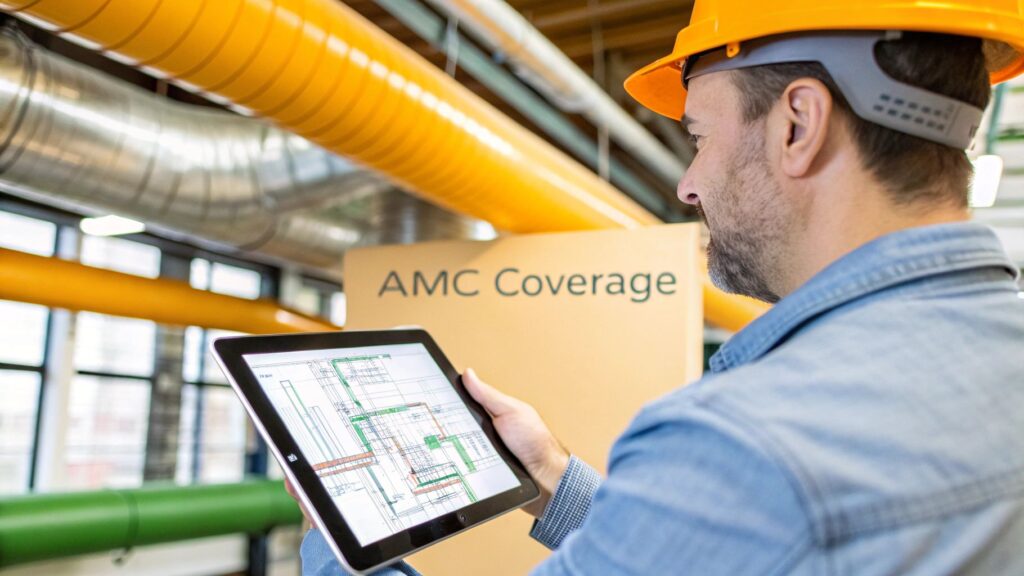
An Annual Maintenance Contract (AMC) is a strategic operational tool for safeguarding critical building systems. In Dubai, where high ambient temperatures, humidity, and airborne dust place extreme stress on infrastructure, an AMC shifts facility management from a reactive, high-cost breakdown model to a planned, preventive framework. The objective is to manage operational expenditure (OPEX), mitigate failure risk, and extend the lifecycle of key assets, including HVAC, MEP (Mechanical, Electrical, and Plumbing), and life safety systems. This guide provides a technical breakdown of AMC structures, scope inclusions/exclusions, and Service Level Agreement (SLA) metrics to support informed decision-making for property managers, facility engineers, and asset owners in the UAE. Core Scope of an AMC in Dubai: What's Covered An AMC is a service agreement that converts unpredictable maintenance costs into a forecasted budget line item. This is critical for asset management in Dubai, where environmental factors accelerate asset degradation. A well-structured AMC is a primary risk mitigation instrument, ensuring operational continuity and compliance with local regulatory bodies like Dubai Municipality and Civil Defence. The agreement is founded on three maintenance pillars. Core Maintenance Pillars Preventive Maintenance: Scheduled, proactive interventions based on a predefined scope and frequency. Activities include inspections, filter cleaning, lubrication of moving parts, and system calibration to identify and rectify minor issues before they escalate into major failures. Corrective Maintenance: Labour allocated for unscheduled repairs when an asset malfunctions between preventive visits. This covers the rectification of unforeseen breakdowns to restore system functionality. Emergency Response: A contractually guaranteed response to critical failures that pose a safety risk or threaten operational continuity (e.g., total HVAC failure, major power outage). Response times are defined within the Service Level Agreement (SLA), often with 24/7 availability. Understanding contract models is essential. For more detail, you can explore the various types of annual maintenance contracts for different property needs in Dubai. The primary objectives are to sustain asset performance, ensure safety, and achieve OPEX predictability. A professionally managed AMC also generates an auditable record of all maintenance activities, which is vital for compliance reporting and demonstrating due diligence in asset management. AMC Inclusions vs. Exclusions Matrix This matrix provides a clear operational distinction between what is typically included within a standard AMC scope and what constitutes a separate, chargeable work order. Understanding these boundaries is fundamental to accurate budgeting and avoiding scope creep. Asset / Service Category Typically Included in AMC Scope Typically Excluded (Requires Separate Quotation) Key Consideration in Dubai's Climate HVAC Systems Scheduled Preventive Maintenance (PPM) including filter/coil cleaning, labour for repairs, refrigerant leak checks. Full refrigerant gas charging post-major leak, major component replacement (compressors, chillers). High thermal load and dust loading necessitate quarterly PPM at a minimum to maintain operational efficiency and prevent premature failure. Electrical Systems Distribution Board (DB) panel inspection, tightening of connections, functional testing of circuit breakers (MCB/ELCB). Replacement of major components (transformers, switchgear), thermographic scanning, comprehensive energy audits. High humidity accelerates corrosion on electrical contacts; regular inspection is critical for fire prevention. Plumbing & Drainage Water pump functional checks, clearing minor blockages, inspection of water heaters. Major re-piping projects, replacement of water heaters/pumps, sewage system overhauls. High water salinity and TDS levels can lead to accelerated corrosion and calcification in pipes and pumps. Specialised Systems Almost always excluded unless specified as a separate contract. Fire alarm/fighting systems, elevators, Building Management Systems (BMS), access control, CCTV. These systems require specialist third-party certification and dedicated maintenance contracts to comply with Dubai Civil Defence regulations. Consumable Parts vs. Spare Parts Consumables (filters, belts, lubricants) used during PPM. Note: this varies by contract type. Any spare parts required for corrective repairs (unless under a Comprehensive AMC). The contract must explicitly define "consumable" versus "spare part" to avoid disputes. Civil & Masonry Works Universally excluded. Painting, tiling, waterproofing, structural repairs. These are classified as project-based works, falling outside the scope of routine MEP maintenance. This matrix underscores the necessity of scrutinising the detailed scope of work. A clear understanding of these delineations ensures the AMC aligns with the property's operational requirements and prevents unforeseen expenditure. Distinguishing Between Included and Excluded Scope Defining the boundaries of an Annual Maintenance Contract is the most critical factor in preventing contractual disputes and unbudgeted expenditure. For facility and procurement teams in Dubai, ambiguity in the scope of work is a direct risk to OPEX control. A contract's value is determined not by assumptions, but by explicit, documented inclusions and exclusions. The fundamental purpose of an AMC is to manage the planned preventive and corrective maintenance required for operational continuity. The critical dividing line is between maintenance (an operational expense, or OPEX) and replacement or major overhaul (a capital expense, or CAPEX). This distinction must be unambiguous. What's Typically Included in the Scope A standard AMC in the UAE is structured around maintaining the operational integrity of MEP (Mechanical, Electrical, and Plumbing) and HVAC systems—the core life-support infrastructure of any building in this climate. HVAC Systems Coverage:Given the extreme ambient heat and airborne particulates, HVAC systems are a primary focus. A robust contract typically includes: Scheduled Preventive Maintenance (PPM): Routine, planned service visits. This encompasses filter cleaning, coil washing, refrigerant level checks, motor lubrication, and inspection of electrical connections. For commercial properties in Dubai, quarterly PPM is considered the operational minimum. Labour for Corrective Repairs: When a system fails between scheduled visits, the technician's time and expertise for diagnostics and rectification are covered. Functional Testing: Verification that system controls, including thermostats, sensors, and actuators, are calibrated and responding correctly. MEP Systems Coverage:The scope for electrical and plumbing systems is similarly defined: Electrical: Periodic inspection of Distribution Boards (DBs), tightening of terminals to prevent overheating, and functional testing of Miniature Circuit Breakers (MCBs) and Earth Leakage Circuit Breakers (ELCBs) to ensure correct tripping characteristics. Plumbing: Inspection of water pumps (booster and transfer), identification of minor leaks, cleaning of water tank filters, and functional checks of water heaters. Drainage: Scheduled clearing of floor traps and roof drains to prevent blockages, particularly in preparation for seasonal rainfall. A common misconception
Best Commercial & Residential Maintenance Services in the UAE (2026 Guide)
Are you looking for reliable commercial and residential maintenance services in the UAE to protect your property investment? In Dubai’s dynamic market, property upkeep is crucial for safeguarding value and ensuring efficiency. This 2026 guide helps facility managers, home owners, and procurement managers navigate the complexities. We’ll cover essential services, trends, and strategies for choosing the ideal maintenance partner, ensuring your property thrives. Understanding Commercial & Residential Maintenance Services: What Do You Need? Property maintenance encompasses a wide range of services designed to keep buildings functional, safe, and aesthetically pleasing. Whether you manage a large commercial complex or own a private villa, understanding these offerings is crucial for effective property upkeep. Commercial Property Maintenance Commercial properties, such as offices, retail spaces, and industrial facilities, require specialized attention due to their scale, complexity, and operational demands. Keeping these environments well-maintained directly impacts business continuity and tenant satisfaction. HVAC System Maintenance & Repair: Regular HVAC servicing ensures comfort and energy efficiency, vital in the UAE’s climate. This includes filter changes, coil cleaning, and system diagnostics. Electrical Systems & Lighting: Ensuring safe, operational electrical systems is paramount. Services range from routine checks and wiring repairs to lighting replacement and energy solutions. Plumbing & Drainage Solutions: Promptly addressing leaks, blockages, and water pressure prevents costly damage and maintains hygiene. Services include pipe repairs, water heater servicing, and drainage upkeep. Structural Repairs & Building Fabric Maintenance: This involves maintaining building integrity through façade cleaning, roof inspections, painting, plasterwork, and general wall and floor repairs. Janitorial and Cleaning Services: Professional cleaning ensures a hygienic and pleasant environment. Services include daily cleaning, deep cleaning, window washing, and waste management. Security System Maintenance: Regular checks of CCTV, access control, and alarm systems are essential for safety and security, ensuring correct functionality. Specialized Services: Many commercial properties need maintenance for lifts, fire safety, and IT infrastructure, requiring highly trained technicians. Residential Property Maintenance Residential properties, including villas and apartments, benefit immensely from professional maintenance. It enhances living comfort, preserves property value, and addresses common household issues efficiently. Villa and Apartment General Repairs: This covers handyman services like carpentry, masonry, door and window repairs, and painting touch-ups, ensuring a functional home. AC Repair and Servicing: Reliable AC is essential in the UAE. Regular servicing prevents breakdowns, improves air quality, and extends unit lifespan. Plumbing Fixes & Leak Detection: Prompt plumbing services, from dripping faucets to burst pipes, are crucial. Leak detection prevents water damage and high utility bills. Electrical Fault Finding & Appliance Repair: Addressing power outages, faulty outlets, and appliance repairs ensures safety and convenience. Technicians diagnose and fix issues quickly. Pest Control Services: Regular pest control protects residential spaces from insects and rodents, important for hygiene and comfort. Swimming Pool Maintenance: For properties with pools, regular cleaning, chemical balancing, and equipment checks ensure water quality and system longevity. Landscaping and Garden Care: Maintaining outdoor spaces, including irrigation, lawn care, and plant health, enhances curb appeal and creates pleasant environments. Ultimately, the value of integrated facility management solutions lies in consolidating these diverse services under one reliable provider. This simplifies coordination and ensures a consistent standard of care for your entire property lifecycle management. The Dubai Property Maintenance Landscape: Key Trends & Insights for 2026 The UAE’s property market is dynamic, and so too is its maintenance sector. Understanding the current trends and future outlook for property maintenance companies in Dubai can help you anticipate needs and choose forward-thinking providers. Market Overview: Growth Drivers and Demand for Quality The UAE’s facilities management market sees robust growth, driven by new property developments. High standards are crucial to attract tenants and buyers, increasing demand for quality building upkeep services. Property owners view maintenance as a strategic investment, optimizing costs and extending asset lifespan. The focus has shifted to proactive and preventative maintenance. Technological Advancements Technology is revolutionizing how maintenance services are delivered and managed. Smart Building Integration & IoT for Predictive Maintenance: Modern buildings use IoT sensors for real-time performance monitoring. This enables predictive maintenance, identifying issues before breakdowns and minimizing disruption. CMMS & Digital Platforms for Efficient Management: CMMS and digital platforms streamline scheduling, task assignment, inventory, and communication. These tools enhance efficiency and provide transparency to property owners and managers. Sustainability & Green Practices With a global push towards environmental responsibility, sustainable facility management is gaining traction in Dubai. Energy-Efficient Solutions: Maintenance providers offer solutions like HVAC optimization, LED lighting, and smart thermostats to reduce energy consumption and operational costs. Waste Management and Recycling Initiatives: Implementing effective waste segregation and recycling programs reduces environmental impact and promotes greener living and working environments. Regulatory Environment: Adherence to Local Compliance Dubai’s property sector is well-regulated, and maintenance companies must adhere to strict guidelines set by authorities like the Dubai Land Department (DLD). Ensuring your chosen provider is fully compliant with local licensing, safety, and operational standards is non negotiable for peace of mind and legal adherence. Choosing Your Ideal Maintenance Partner in Dubai: A Strategic Approach Selecting the right partner from the many property maintenance companies in Dubai requires a strategic approach. It’s about finding a provider that not only fixes problems but also adds value to your property asset management. Key Factors to Consider When evaluating potential maintenance providers, look beyond the basic service list. Consider these crucial aspects to ensure a long-lasting and beneficial partnership: 1. Experience & Expertise: Look for companies with proven commercial and residential experience in Dubai. Inquire about technician certifications and specialized skills. Experienced teams understand local climate and property type challenges. 2. Service Scope & Customization: A good provider offers flexible, tailored packages for your property’s specific needs. Ensure they meet demands for comprehensive maintenance contracts or specific repairs. Avoid one-size-fits-all solutions. 3. Response Time & Emergency Services: Fast response is critical, especially for emergencies. Ask about Service Level Agreements (SLAs) for response and resolution times. A reliable partner offers 24/7 emergency support. 4. Technology Integration: Companies using modern technology like client portals, mobile apps, and real-time tracking offer superior transparency and efficiency.